



News:
Brokerage
Posted: November 25, 2013
Rufrano rejoins O'Connor Capital Partners as chairman & CEO
Glenn Rufrano, a leading commercial real estate industry executive for the past three decades, is returning to O'Connor Capital Partners as chairman & CEO. According to the privately-owned, independent real estate investment, development and management firm, Rufrano, who was a founding partner of predecessor The O'Connor Group and who has served as a board member since 2010, will assume his new position effective immediately. In addition, he has acquired a full partnership stake in the firm.
Bill O'Connor, president & COO of O'Connor Capital said, "We are thrilled to have Glenn rejoin our company. Not only does he possess a deep knowledge of our firm and our industry, but he also shares a common set of values and beliefs that has served the company well since its founding 30-plus years ago."
Best known for his past leadership in the retail real estate sector, Rufrano began his career with Landauer Associates. His previous 17-year tenure with The O'Connor Group, which began in 1983, culminated with his positions as president & COO and as co-chairman of The Peabody Group, which was sponsored jointly with J.P Morgan. Between 2000 and 2007 he was CEO of New Plan Excel Realty Trust Inc., and subsequently he led Australian-based Centro Properties Group as its CEO.
In 2010, Rufrano was named CEO of Cushman & Wakefield, a position he held until earlier this year.
In addition to his past corporate executive roles, Mr. Rufrano formerly served on the boards of Trizec Properties, Inc., Criimi Mae, Inc. and General Growth Properties. He currently serves on the Board of Directors of Ventas, a leading healthcare real estate investment trust, and also on the not-for-profit health and social services agency, New Alternatives for Children. He is on the advisory boards of New York University's Real Estate Institute and Baruch College and is a trustee and member of the International Council of Shopping Centers. He received his bachelor's degree in Business Administration from Rutgers University and his MSc in Management and Real Estate from Florida International University.
Mr. Rufrano's return to a chief executive role at O'Connor Capital Partners comes as the firm is growing and increasing its presence in both the retail and residential sectors. The firm currently has approximately $3.5 billion of assets under management. The retail platform currently manages approximately 14 million square feet of properties including three million square feet in Mexico. Over the past three years, the firm has invested $1.7 billion gross in retail properties ranging from high street retail to Class A malls. Its most recent high-profile investment came earlier this year when it acquired a large joint venture interest in a portfolio of six malls owned in partnership with the Westfield Group.
On the residential front, the firm currently oversees investment in approximately 8,000 multifamily units. Over the past three years, O'Connor Capital Partners has invested $500 million gross in residential development with 700 units currently under construction. The firm is slated to open two new multifamily rental projects this month with the 188-unit Maximilian in Long Island City and the 420-unit Atmark in Cambridge, MA.
Mr. Rufrano joins Bill O'Connor and a long established senior executive team featuring former General Growth Properties executive Joel Bayer as head of the retail team and Brian Fallon as head of development and residential product.
"I am very excited about joining O'Connor Capital Partners full-time as both CEO and a partner," said Mr. Rufrano. "This is a firm with a proud legacy, an extremely strong management team and a great future."
About O'Connor Capital Partners:
O'Connor Capital Partners is a privately-owned, independent real estate investment, development and management firm. O'Connor concentrates its efforts on making direct investments in high-quality assets in major North American metropolitan markets. Founded as The O'Connor Group in 1983, the firm has acquired or developed more than $25 billion of property on behalf of various investment funds, institutional clients, and its own account, encompassing all major property types. The firm is based in New York City, with a regional office in Mexico City.
Tags:
Brokerage
MORE FROM Brokerage
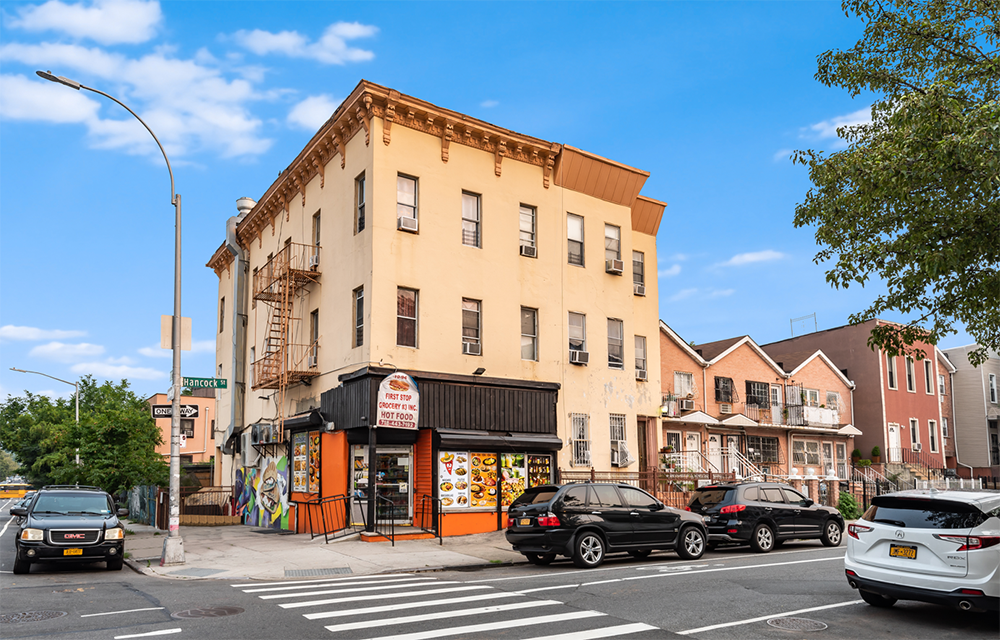
Investment Property Realty Group closes $1.75 million sale of 1094 Hancock Street in Brooklyn
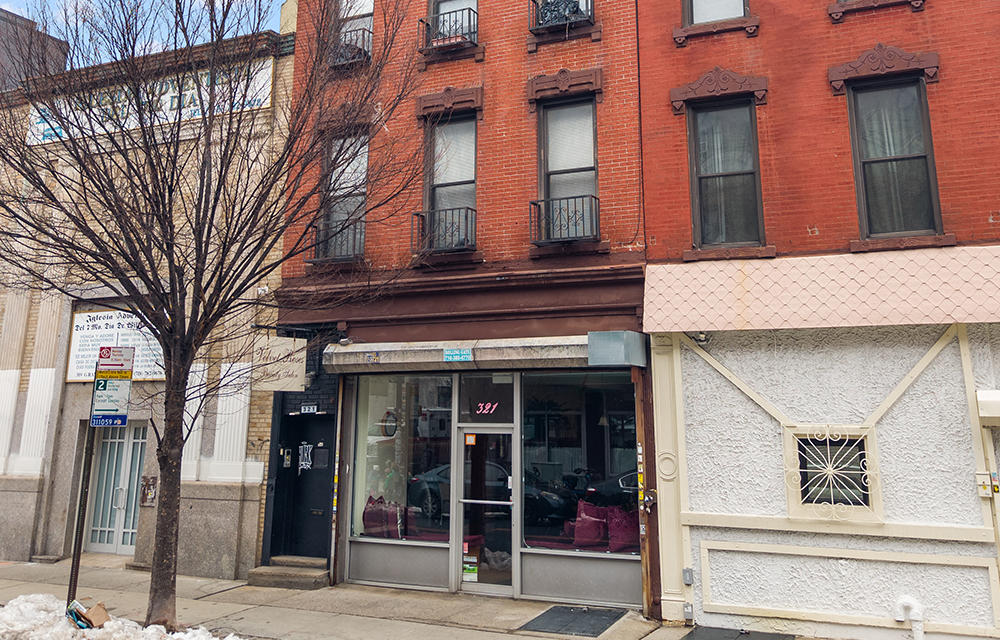
Brooklyn, NY Investment Property Realty Group (IPRG), a New York-based commercial investment firm, has closed the sale of 1094 Hancock St., a mixed-use building in the Bushwick section, for $1.75 million.


Quick Hits

Columns and Thought Leadership

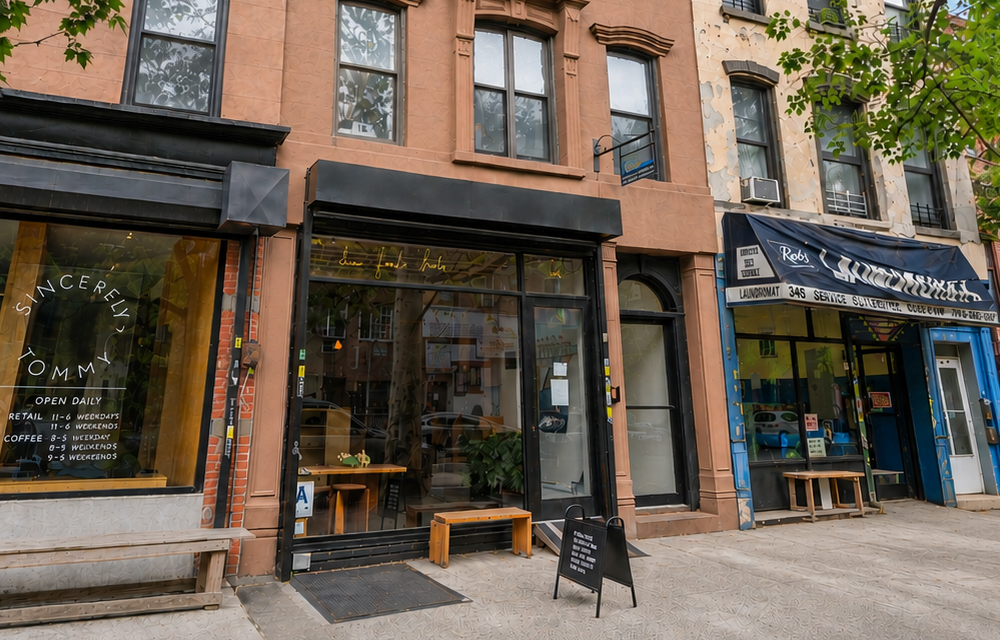
New York’s streets are full again, and the retail numbers prove it - by Noam Aziz
Walk down any New York block this year and you can feel it. The sidewalks are crowded, the storefronts are lit, and the energy that defines this city is back at full volume.

A guide to finding the right NYC property management company - by Sanjay Gandhi
Being a small to midsize landlord in NYC is an increasingly demanding endeavor. From navigating complex regulations, increased compliance demands to dealing with tenant issues and remediating violations. It is wise to enlist the assistance of a partner, a professional

Hunt CRE question and answer: Choosing a real estate agent - by David Hunt
First, we will only work with one agent exclusively. The primary reason is that we want that agent to legally represent our client’s interests. In New York State, a real estate agent has a fiduciary

Hunt commercial real estate question and answer: Fortune 500 wisdom - by David Hunt
Yes, there are lessons to be learned from the largest companies in America when comes to managing your real estate. But the decision to buy or lease real estate may not be one of
.gif)