



News:
Brokerage
Posted: June 10, 2025
The death of the generic offering memorandum: What buyers expect in 2025 - by Kimberly Zar Bloorian

There was a time when an offering memorandum (OM) was pretty bare bones, some photos, a few bullet points on income, and a rent roll thrown in at the back. That used to get the job done. Not anymore.
In 2025, buyers are sharper, faster, and more selective. They’re looking at dozens of deals, often from their phones, and deciding within seconds whether something is worth their time. If your materials don’t grab attention quickly and clearly, they’re getting skipped.
That’s why the best brokers and sellers are stepping things up. We’re seeing interactive presentations, video tours, drone footage, and Google Maps embeds become the new norm. These tools let investors explore a property and its surroundings on their own terms and that’s exactly what gets them interested.
But it’s not just the content. It’s how you present it. Design matters. Layout matters. The visual experience needs to be polished and professional, like something you’d expect from a media agency, not a PowerPoint template. The truth is, in a crowded market, the smaller the deal, the more critical it is to stand out.
We’re also seeing new priorities emerge. Buyers now expect upfront clarity on things like ESG factors, carbon emissions (especially in cities like New York), and capital improvement timelines. They don’t want to dig through 60 pages to find what they need. A clean, well-designed summary or “deal at a glance” section is now standard — not a bonus.
At Kloud, we’re helping sellers create OMs that do more than inform. They tell a story. They answer the questions every buyer is asking: Why this property? Why now? Why should I trust you? It’s not about drowning people in data, it’s about building credibility and sparking interest.
To help you get there, here are three things we always recommend:
Lead with clarity. Open with a strong, digestible summary that includes the essentials: cap rate, upside, major risks, and location. Make it easy for someone to understand the deal in under a minute.
Invest in visuals. Professional design, high-resolution imagery, and interactive content like videos and maps are no longer optional. They’re what make a deal feel real and credible.
Tell the right story. Don’t just dump data. Speak to your target buyer’s priorities and connect the dots on why this opportunity makes sense.
In today’s market, the OM isn’t just paperwork. It’s your pitch. Your brand. Often, it’s your only shot at making a lasting impression. So if your materials still feel generic or outdated, it might be time for a fresh approach because investors aren’t just looking at what’s on the page. They’re looking for confidence.
And that starts with how you show up.
Kimberly Zar Bloorian is the founder and CEO of Kloud Marketing, Great Neck, N.Y.
Tags:
Brokerage
Long Island
MORE FROM Brokerage
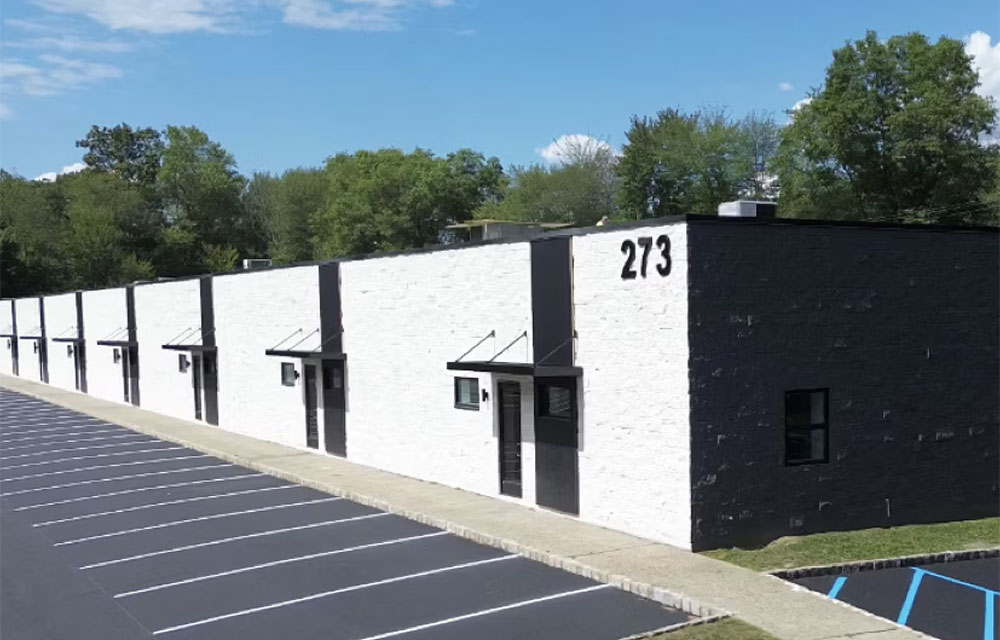
Resource Realty of Northern NJ delivers complete lease-up of 235 Franklin Rd. for Commerce Park Investors
Randolph, NJ Resource Realty of Northern New Jersey (RRNNJ) has completed the lease-up of a 10-unit small-bay industrial property at 273 Franklin Rd., marking the culmination of an investment strategy that began





Quick Hits
 (2).gif)

Columns and Thought Leadership

Positive forecast for New York’s pro-housing push? - by Philip Butler
New York’s housing crisis remains a hot button topic despite growing consensus that varied and affordable housing is desperately needed statewide. Governor Hochul has recently introduced several initiatives to overcome N.Y.’s anti-housing

A guide to finding the right NYC property management company - by Sanjay Gandhi
Being a small to midsize landlord in NYC is an increasingly demanding endeavor. From navigating complex regulations, increased compliance demands to dealing with tenant issues and remediating violations. It is wise to enlist the assistance of a partner, a professional

New York’s streets are full again, and the retail numbers prove it - by Noam Aziz
Walk down any New York block this year and you can feel it. The sidewalks are crowded, the storefronts are lit, and the energy that defines this city is back at full volume.

Hunt commercial real estate question and answer: Fortune 500 wisdom - by David Hunt
Yes, there are lessons to be learned from the largest companies in America when comes to managing your real estate. But the decision to buy or lease real estate may not be one of
.gif)