



News:
Brokerage
Posted: May 7, 2026
Lee & Assocs. NYC arranges first East Coast lease for San Francisco-based Bun Mee at 115 East 23rd St
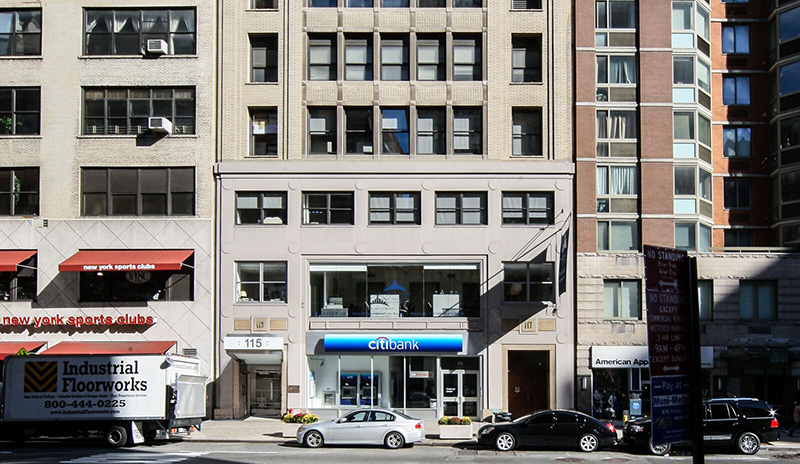
Manhattan, NY Lee & Associates NYC completed a new retail lease for Bun Mee at 115 East 23rd St. in the Flatiron/Gramercy area. This marks the brand’s first location on the East Coast.
Bun Mee signed a 10-year lease for 2,200 s/f across the ground floor and lower level of the property, with an anticipated opening in September 2026. The space was previously occupied by Kung Fu Tea.

The landlord, First Premier Properties, was represented in-house by David Dynak of First Pioneer Properties, while tenant representation was handled by Josh Lebowitz of Lee & Associates NYC.
Founded in San Francisco, Bun Mee has built a strong following over the past decade with its modern take on traditional Vietnamese bánh mì sandwiches, along with salads and rice bowls. The brand currently operates five locations in San Francisco, including two high-performing units at San Francisco International Airport. Bun Mee was also named to the Fast Casual Top 100 Movers & Shakers list in 2025, reflecting its continued growth and industry recognition.
“This is a meaningful step for Bun Mee as they expand beyond California for the first time,” said Lebowitz. “Having been on the operator side, I understand how complex that first cross-country expansion can be. Bun Mee has built a strong, growing brand in San Francisco, and they’re entering this next phase thoughtfully. Our role was to help simplify the process and identify a location that sets them up for success. This space offers the visibility, foot traffic, and neighborhood fit needed to translate that momentum into a strong New York debut.”
Bun Mee’s new Flatiron-area location will introduce its signature menu and brand identity to a new audience, further establishing its presence as it grows nationally. The transaction reflects continued demand for well-established, differentiated fast-casual concepts entering the New York market, particularly those with proven success in other major cities.
MORE FROM Brokerage
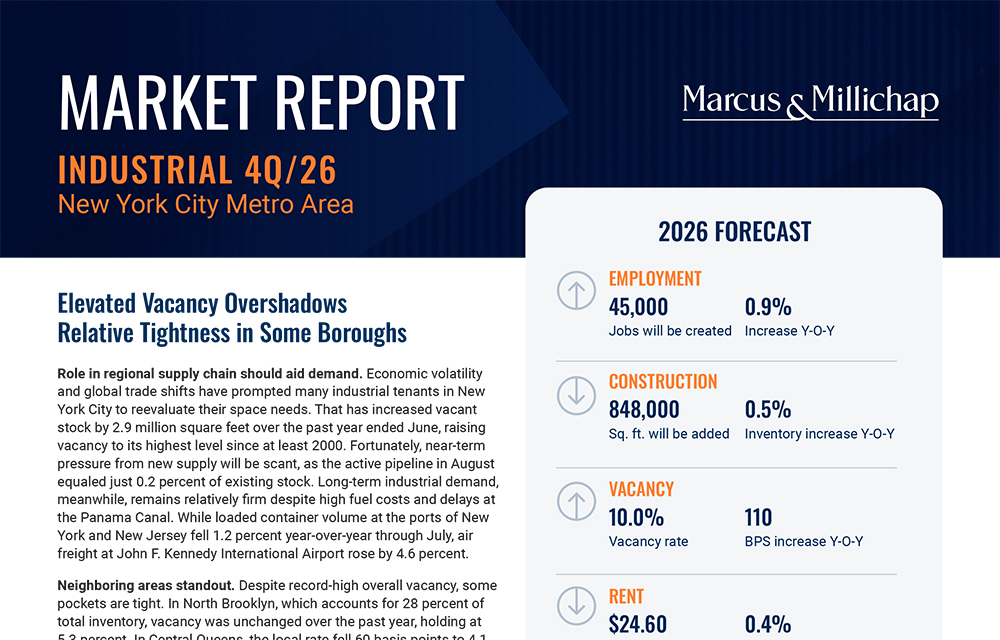
Marcus & Millichap releases fourth-quarter 2026 NYC industrial market report
Manhattan, NY Marcus & Millichap has published its fourth-quarter 2026 New York City Industrial Market Report. “New York City’s industrial market is showing a clear




Quick Hits
 (2).gif)

Columns and Thought Leadership

Hunt CRE question and answer: Choosing a real estate agent - by David Hunt
First, we will only work with one agent exclusively. The primary reason is that we want that agent to legally represent our client’s interests. In New York State, a real estate agent has a fiduciary

New York’s streets are full again, and the retail numbers prove it - by Noam Aziz
Walk down any New York block this year and you can feel it. The sidewalks are crowded, the storefronts are lit, and the energy that defines this city is back at full volume.

The art of investing in real estate - by Thomas Donovan
Real estate investing is as much an art as it is a skill. No one can time the market, or the factors that drive it, perfectly. Location, zoning, size, transportation, and neighborhood density give you a baseline for

Hunt commercial real estate question and answer: Fortune 500 wisdom - by David Hunt
Yes, there are lessons to be learned from the largest companies in America when comes to managing your real estate. But the decision to buy or lease real estate may not be one of
.gif)