



News:
Brokerage
Posted: June 24, 2025
The anticipated effect of Basel III and ISO 20022 implementation on commercial real estate - by Michael Zysman

July 1, 2025 is the deadline for US banks to begin to adopt Basel III banking standards and July 14, 2025 is the deadline for U.S. banks to adopt ISO 20022 messaging standards. Both will have a significant effect on the banking and commercial real estate (CRE) finance sectors.
Regulators are giving a three- year runway for U.S. banks to fully adopt Basel III. That being said, the rules are not yet set in stone nor are the timeline milestones for implementation. The new rules will consist of increased capital requirements and also updating the methods risk assets are accounted for on bank stress tests, among other new regulations.
One of the biggest impacts will be the removal of a bank’s ability to account for many debt securities as held to maturity for stress test purposes. They will have to be valued at their available for sale valuation. Once this rule is fully implemented it may cause many banks holding “underwater” debt securities to sell to larger banks, due to their inability to sell their loans for a profit to raise liquidity.
ISO 20022 will allow all US banks to have instant payments vs. the old-fashioned wire service. This full implementation will decrease the cost and complexity of banking transactions and increase data transparency. It will also allow banks to have an increased digital presence for their customers. The increased data will also help regulators better monitor the financial system.
Basel III and ISO 20022 are also expected to be implemented on a global basis in the near term. This should help stabilize the global financial system and make international commerce easier for all.
Michael Zysman is the managing principal of City Bay Capital, Miami Beach, FL.
Tags:
Brokerage
Outside The Region
MORE FROM Brokerage
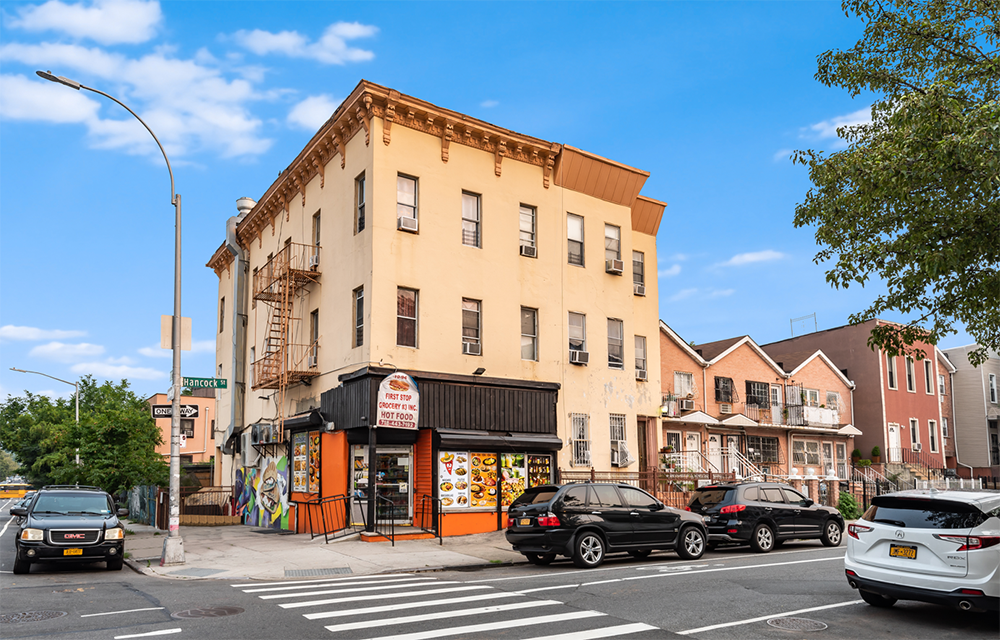
Investment Property Realty Group closes $1.75 million sale of 1094 Hancock Street in Brooklyn
Brooklyn, NY Investment Property Realty Group (IPRG), a New York-based commercial investment firm, has closed the sale of 1094 Hancock St., a mixed-use building in the Bushwick section, for $1.75 million.



Quick Hits
 (2).gif)

Columns and Thought Leadership

Hunt commercial real estate question and answer: Fortune 500 wisdom - by David Hunt
Yes, there are lessons to be learned from the largest companies in America when comes to managing your real estate. But the decision to buy or lease real estate may not be one of

New York’s streets are full again, and the retail numbers prove it - by Noam Aziz
Walk down any New York block this year and you can feel it. The sidewalks are crowded, the storefronts are lit, and the energy that defines this city is back at full volume.

A guide to finding the right NYC property management company - by Sanjay Gandhi
Being a small to midsize landlord in NYC is an increasingly demanding endeavor. From navigating complex regulations, increased compliance demands to dealing with tenant issues and remediating violations. It is wise to enlist the assistance of a partner, a professional

Hunt CRE question and answer: Choosing a real estate agent - by David Hunt
First, we will only work with one agent exclusively. The primary reason is that we want that agent to legally represent our client’s interests. In New York State, a real estate agent has a fiduciary
.gif)