



News:
Brokerage
Posted: July 13, 2015
CBRE study finds significant gap between large and small office buildings in green adoption in the U.S.
Owners of small buildings have an opportunity to differentiate themselves by implementing energy-efficient practices, due to a significant gap between large and small office buildings in achieving sustainability certification, according to a new study by CBRE Group, Inc. and Maastricht University.
The 2015 Green Building Adoption Index, a joint project of CBRE and Maastricht, found that 62.1 percent of office buildings in the U.S. greater than 500,000 s/f are considered "green" (holding either an EPA ENERGY STAR label, U.S. Green Building Council (USGBC) full-building LEED certification or both). In contrast, only 4.5 percent of all U.S. office buildings less than 100,000 s/f qualified as green.
"Our 2015 study confirmed that green building adoption has been primarily a big building, first-tier city phenomenon," said David Pogue, CBRE's global director of corporate responsibility. "It would appear that many smaller buildings in the majority of large markets still have an opportunity to be 'best in class' among their peer set by achieving these certifications."
Minneapolis led the city ranking for the second consecutive year, with 70.4 percent of all office space currently qualified as green, down from 77.0 percent in 2014. San Francisco, again in second place, significantly closed the gap and now boasts a 70.0 percent green market, up from 67.2 percent in 2014. Chicago, at 63.4 percent, was third, while Atlanta (57.8 percent) and Houston (52.9 percent) swapped positions at fourth and fifth. The top 10 cities on the 2014 list all retained a place on the 2015 list.
The overall results of the study show that the uptake of green building practices in the 30 largest U.S. cities continues to be significant, but that the growth is slowing. At the end of the fourth quarter of 2014, 13.1 percent of the commercial building stock had an ENERGY STAR label, LEED certification, or both, compared to 13.8 percent at the end of 2013. Measured by size, the amount of certified commercial space also decreased from 39.3 percent in 2013 to 38.7 percent at the end of 2014.
"This decrease does not imply that buildings are starting to perform worse than before. Rather, it reflects the fact that only a certain fraction of the building stock can obtain a green or energy-efficiency certification," said Dr. Nils Kok, associate professor in Finance and Real Estate, Maastricht University (NL). "Additionally, it appears that some of the buildings that were previously certified did not renew their certification in 2014. This does not necessarily mean that the energy use of these buildings has changed, but that some owners and managers choose not to spend the time or expense to reapply for certification every year."
Executed in close collaboration with the USGBC and CBRE Research, this is the second release of the annual Green Building Adoption Index. Based on a rigorous methodology, the Index shows the growth of ENERGY STAR- and LEED-certified space for the 30 largest U.S. office markets, both in aggregate and in individual markets, over the previous 10 years.
Tags:
Brokerage
MORE FROM Brokerage

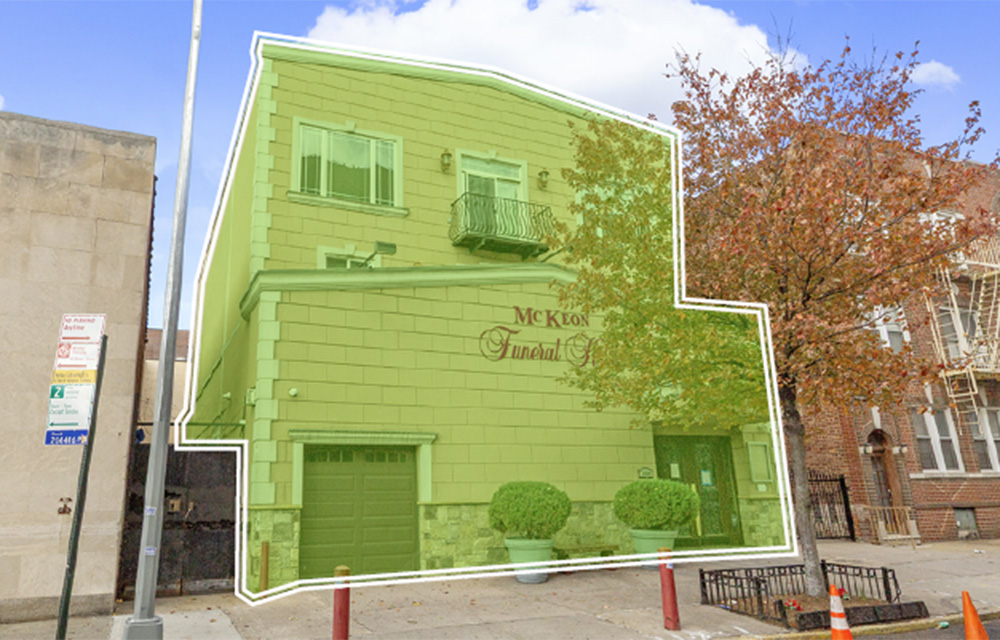
Marcus & Millichap brokers $2.8 million sale of free-market mixed-use property in Brooklyn
Brooklyn, NY Marcus & Millichap brokered the sale of 733 Dekalb Ave., a fully free-market multifamily and retail property in the Bed-Stuy neighborhood. The asset sold for $2.8 million.





Quick Hits

Columns and Thought Leadership

Positive forecast for New York’s pro-housing push? - by Philip Butler
New York’s housing crisis remains a hot button topic despite growing consensus that varied and affordable housing is desperately needed statewide. Governor Hochul has recently introduced several initiatives to overcome N.Y.’s anti-housing

New York’s streets are full again, and the retail numbers prove it - by Noam Aziz
Walk down any New York block this year and you can feel it. The sidewalks are crowded, the storefronts are lit, and the energy that defines this city is back at full volume.

A guide to finding the right NYC property management company - by Sanjay Gandhi
Being a small to midsize landlord in NYC is an increasingly demanding endeavor. From navigating complex regulations, increased compliance demands to dealing with tenant issues and remediating violations. It is wise to enlist the assistance of a partner, a professional

Hunt commercial real estate question and answer: Fortune 500 wisdom - by David Hunt
Yes, there are lessons to be learned from the largest companies in America when comes to managing your real estate. But the decision to buy or lease real estate may not be one of
.gif)
September Promotion
