



News:
Brokerage
Posted: October 9, 2009
Trinity Real Estate implementing flu prevention initiatives
Trinity Real Estate is undertaking a portfolio-wide initiative to help prevent the spread of H1N1 and other viruses this cold and flu season. Trinity will be installing hand sanitizing dispensers at security desks and in elevator lobbies. Educational posters from the Centers for Disease Control offering tips on how to stay healthy and prevent the spread of germs in English and Spanish will be displayed in common restrooms and elevator lobbies as well as in locker rooms and engine rooms. The posters will also appear on the Captivate television screens in elevator cabs. Trinity will be offering travel-sized hand sanitizer and tissues to all building visitors, and in addition, Trinity will be hosting seminars for tenant facility and human resource managers with leading representatives in the medical industry to communicate the most current information regarding H1N1.
Emily Lloyd, COO of Trinity Real Estate, said, "Trinity is dedicated to working with our tenants to maintain safe work environments. We hope that these efforts will make a meaningful difference as we prepare for the upcoming flu season."
Trinity's portfolio includes 1 Hudson Sq., 10 Hudson Sq., 100 Avenue of the Americas, 155 Avenue of the Americas, 200 Hudson St., 205 Hudson St., 304 Hudson St., 345 Hudson St., 350 Hudson St., 435 Hudson St., 137 Varick St., 225 Varick, 12/16 Vestry St. and 74 Trinity Pl.
Trinity Wall St., one of the city's largest and oldest commercial property owners, maintains a portfolio of more than six million s/f. Situated in Lower Manhattan between the Hudson River on the west, Avenue of the Americas on the east, Houston St. on the north and Canal St. on the south, Hudson Sq. is one of the city's most dynamic and creative business districts. Formerly an industrial warehouse and loft district, Hudson Sq. is now home to a diverse roster of high-profile organizations that includes advertising agencies, broadcasters, designers, architects, software businesses, publishers and other major companies and institutions.
Tags:
Brokerage
MORE FROM Brokerage
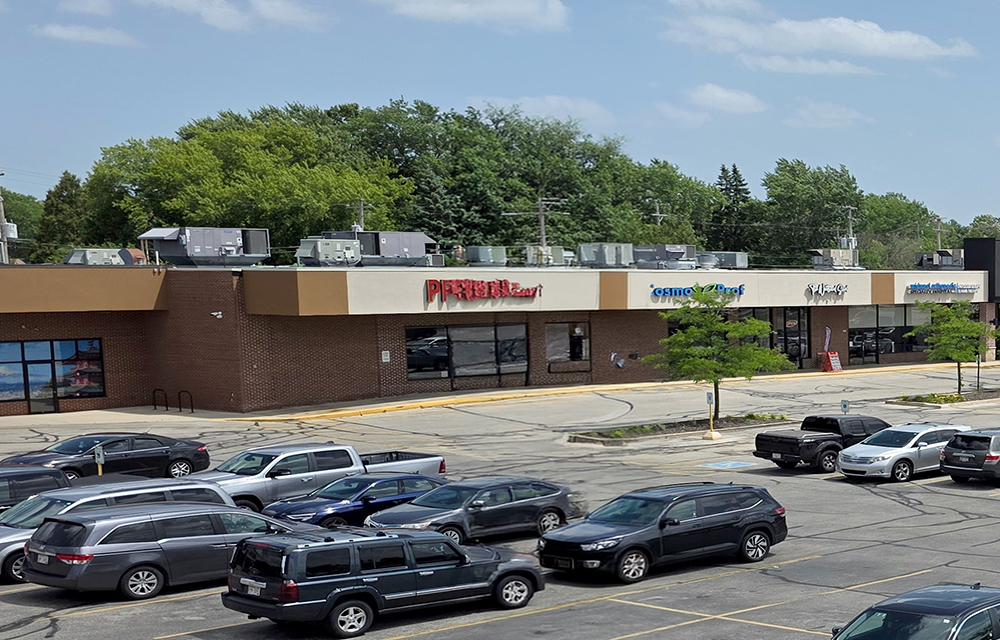
United Properties Corp. expands Wisconsin and Illinois retail presence adding 200,000 s/f
West Allis, WI United Properties Corp. completed two retail acquisitions totaling $27.4 million across Illinois and Wisconsin, adding 205,000 s/f of shopping center space to its portfolio




Columns and Thought Leadership

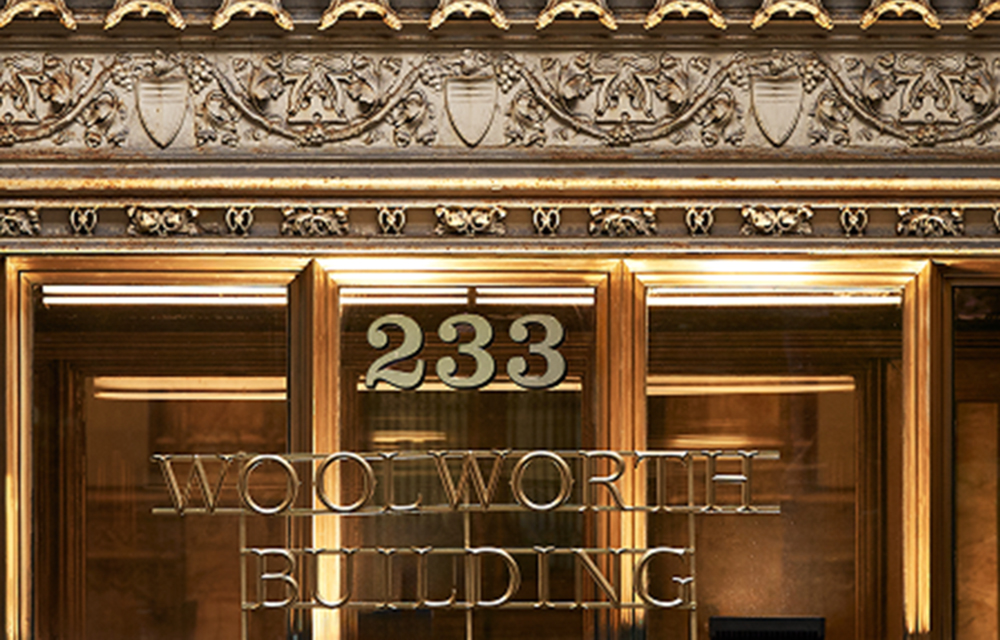
New York’s streets are full again, and the retail numbers prove it - by Noam Aziz
Walk down any New York block this year and you can feel it. The sidewalks are crowded, the storefronts are lit, and the energy that defines this city is back at full volume.

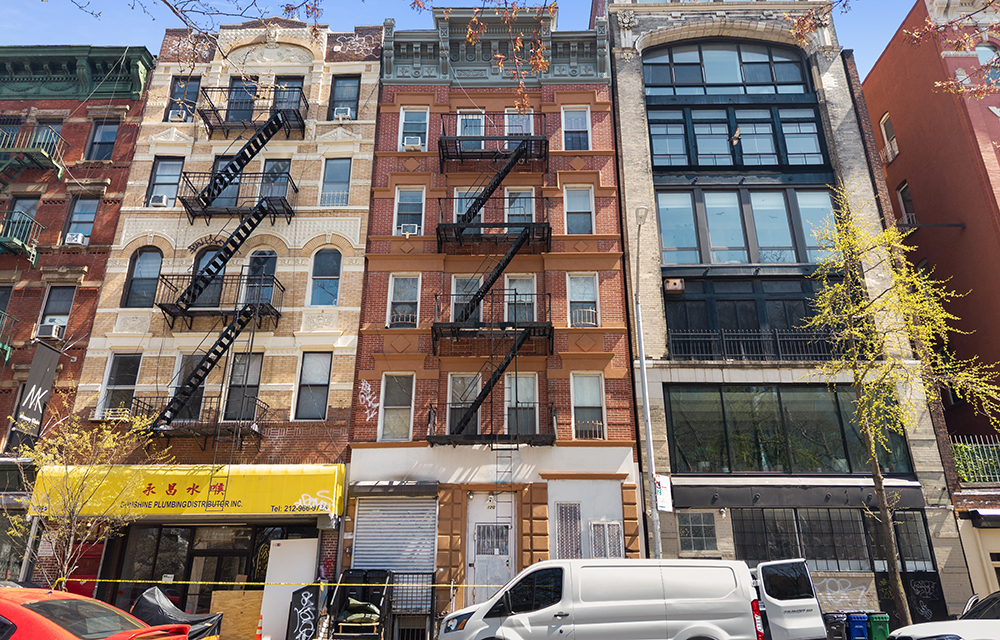
Hunt commercial real estate question and answer: Fortune 500 wisdom - by David Hunt
Yes, there are lessons to be learned from the largest companies in America when comes to managing your real estate. But the decision to buy or lease real estate may not be one of

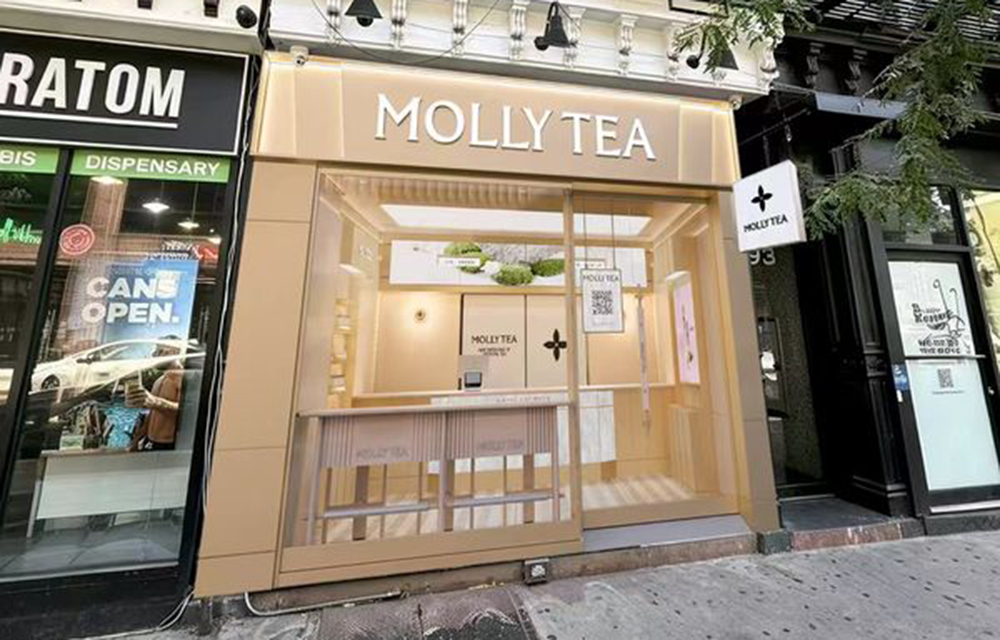
Positive forecast for New York’s pro-housing push? - by Philip Butler
New York’s housing crisis remains a hot button topic despite growing consensus that varied and affordable housing is desperately needed statewide. Governor Hochul has recently introduced several initiatives to overcome N.Y.’s anti-housing

A guide to finding the right NYC property management company - by Sanjay Gandhi
Being a small to midsize landlord in NYC is an increasingly demanding endeavor. From navigating complex regulations, increased compliance demands to dealing with tenant issues and remediating violations. It is wise to enlist the assistance of a partner, a professional
.gif)