



News:
Brokerage
Posted: February 27, 2026
The new core of Midtown: How rezoning is transforming 30th–42nd Streets - by Joseph Aquino
The Midtown South rezoning is accelerating the transformation of the district between 30th and 42nd Sts., from Sixth to Eighth Aves., into one of Manhattan’s most dynamic mixed-use corridors. Long known as the “donut hole” between major destinations, this area is now emerging as a natural extension of the city’s most powerful pedestrian generators.
The perimeter of this district is anchored by some of Manhattan’s most significant traffic drivers: Times Square, Macy’s Herald Square, Moynihan Train Hall, Penn Station, Grand Central Terminal, Madison Square Garden, Hudson Yards, and Bryant Park. Together, these nodes create one of the densest concentrations of commuter, tourist, and office foot traffic anywhere in the world.
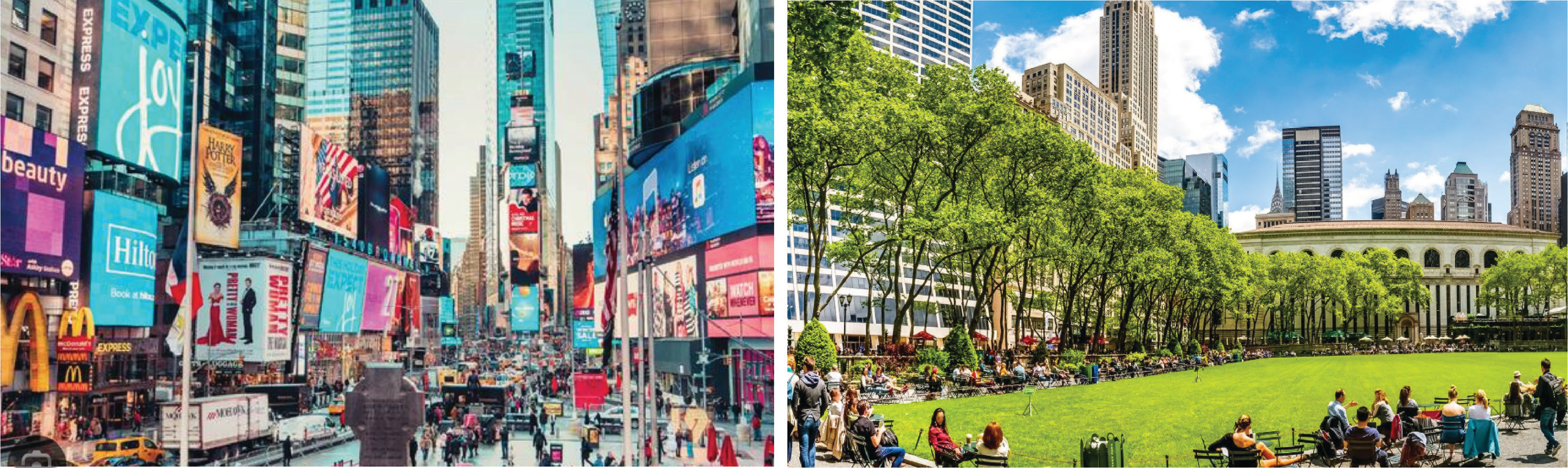
Bryant Park plays a particularly important role in the market. Its year-round programming, including the Winter Village, Christmas tree, and ice-skating rink, draws millions of visitors annually. These seasonal attractions dramatically increase foot traffic during the winter months and extend activity into evenings and weekends, supporting restaurants, retail, and entertainment uses beyond the traditional workday.
Because of these powerful anchors, it has been inevitable that the interior blocks between them would fill in. What was once considered secondary territory is now seen as a logical extension of the primary corridors, benefiting from overflow demand and its proximity to major transportation hubs, flagship retail, and large-scale mixed-use developments.
The Midtown South rezoning has now formalized and accelerated this evolution. For decades, much of the neighborhood was restricted by manufacturing zoning that either prohibited residential use or limited density. As a result, many older office and loft buildings struggled with vacancies, outdated layouts, and limited repositioning options.
The rezoning changes that landscape completely. The city has created new high-density mixed-use districts allowing residential, commercial, community facility, and light manufacturing uses, with floor area ratios of up to 15 and 18 times the lot size. This dramatically increases development potential and unlocks new value across the district.
Buildings that were once constrained by outdated zoning can now be converted into housing or redeveloped into mixed-use projects. This flexibility has already begun to drive significant value increases, as investors price in the potential for residential income and higher-density redevelopment. Office buildings that were previously considered functionally obsolete are now viable conversion candidates, attracting new capital and financing options.
The result is a shift from a daytime, office-dominated environment to a true 24-hour neighborhood. As residential units are added, the area will see increased demand for grocery stores, restaurants, services, fitness concepts, and experiential retail. This creates a virtuous cycle in which new housing supports retail growth, and active ground-floor uses make the neighborhood more attractive to residents.
At the same time, the corridor has already begun evolving into a hospitality and lifestyle district. A growing concentration of hotels has reinforced its role as a tourism-driven submarket. Notable properties include the Moxy NYC Times Square, Margaritaville Resort Times Square, AC Hotel Times Square with its jazz club, the Hendrix Hotel, The New Yorker Hotel by LOTTE, Row NYC, YOTEL New York, and the Hilton Garden Inn Times Square South.
These hotels generate a steady flow of overnight guests and food-and-beverage demand, supporting restaurants, rooftop venues, lounges, and experiential retail. Collectively, they are repositioning the corridor from a transitional zone into a fully activated hospitality and entertainment district.
New retail and restaurant concepts continue to enter the market, reflecting its growing momentum. Recent additions include Fauchon, GDK, Dave & Buster’s, Planet Hollywood, ALDO, Target, TJ Maxx, Angelina, Marvelous by Fred, Häagen-Dazs, and the Knickerbocker Hotel rooftop. Future developments by Vornado and other major landlords are expected to further enhance the area’s retail and residential mix.
The rezoning amplifies all of these trends. By allowing residential conversions and higher densities, it increases land values, attracts institutional capital, and creates new development and brokerage opportunities. Owners now have multiple exit strategies, whether through conversion, ground leases, assemblages, or site sales to residential developers.
In short, the Midtown South rezoning is turning the former “donut hole” into a fully integrated, high-density, mixed-use district. With unmatched transportation access, strong pedestrian generators, a growing hotel base, and new residential potential, the corridor between 30th and 42nd Sts. is positioned to become one of Manhattan’s most vibrant live-work-play neighborhoods, with rising property values and sustained investment activity for years to come.
This information is provided for general guidance only. Please consult your zoning attorney, architect, and planning professionals to confirm the exact requirements, entitlements, and specifications for your specific project.
Joseph Aquino is president of JAACRES, Manhattan, NY.
MORE FROM Brokerage

Law Firm Nutter expands space to 11,438 s/f at 5 Grand Central East
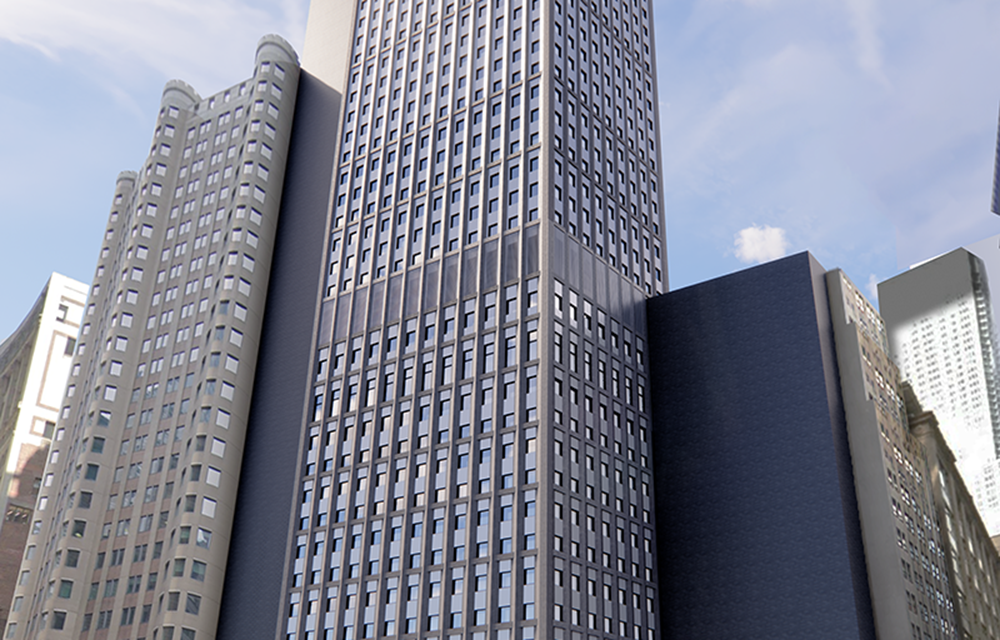
Manhattan, NY According to the Durst Organization, full-service law firm Nutter is expanding their office at 5 Grand Central East to 11,438 s/f. Nutter will take the entire 25th floor, in addition to renewing the firm’s existing office space on the 27th floor of the building.



Quick Hits
 (2).gif)

Columns and Thought Leadership

Hunt commercial real estate question and answer: Fortune 500 wisdom - by David Hunt
Yes, there are lessons to be learned from the largest companies in America when comes to managing your real estate. But the decision to buy or lease real estate may not be one of

New York’s streets are full again, and the retail numbers prove it - by Noam Aziz
Walk down any New York block this year and you can feel it. The sidewalks are crowded, the storefronts are lit, and the energy that defines this city is back at full volume.

Positive forecast for New York’s pro-housing push? - by Philip Butler
New York’s housing crisis remains a hot button topic despite growing consensus that varied and affordable housing is desperately needed statewide. Governor Hochul has recently introduced several initiatives to overcome N.Y.’s anti-housing

A guide to finding the right NYC property management company - by Sanjay Gandhi
Being a small to midsize landlord in NYC is an increasingly demanding endeavor. From navigating complex regulations, increased compliance demands to dealing with tenant issues and remediating violations. It is wise to enlist the assistance of a partner, a professional
.gif)