



News:
Brokerage
Posted: June 19, 2009
Rochester's Cornerstone Group and Providence Housing Development break ground on phase II of Union Meadows: A 42-unit $8.456 million apartment project
Union Meadows phase II, being developed by Rochester's Cornerstone Group, Ltd. and Providence Housing Development Corp., is an affordable 42-unit apartment project to be constructed on Union Sq. Blvd. Eighteen of the units are designed for single persons and well-elderly and the remainder for families. In addition, each unit has an attached one car garage. A 1,300 s/f community building for the residents is also planned.
The units are designed for well-elderly with modest monthly incomes; working families with children; and physically disabled individuals, both elderly and family, who require handicapped accessible units. Five units will be handicapped accessible and two units accessible to visually and hearing impaired.
LECESSE Construction is the general contractor. The $8.456 million project was designed by SWBR Architects and Parrone Engineering. Providence Housing Development Corp. will manage the property.
The project is being financed by partners including NYS Division of Housing and Community Renewal Housing Trust Fund and LIHC (Federal low income housing tax credits), Federal Home Loan Bank, Monroe County, The Greater Rochester Housing Partnership (pre-construction lender) and WNC & Associates, Inc. (private equity partner).
The ground breaking ceremony was held on June 2nd at the project site; 45-46 Union Sq. Blvd. Monroe County executive Maggie Brooks and town supervisor Dave Dunning both spoke at the event.
Rochester's Cornerstone Group is a real estate development, consulting, brokerage and property management firm. Founded in 1990, they offer: residential property development, commercial property development, affordable housing development, brokerage services, consulting services and environmental preservation.
Tags:
Brokerage
MORE FROM Brokerage
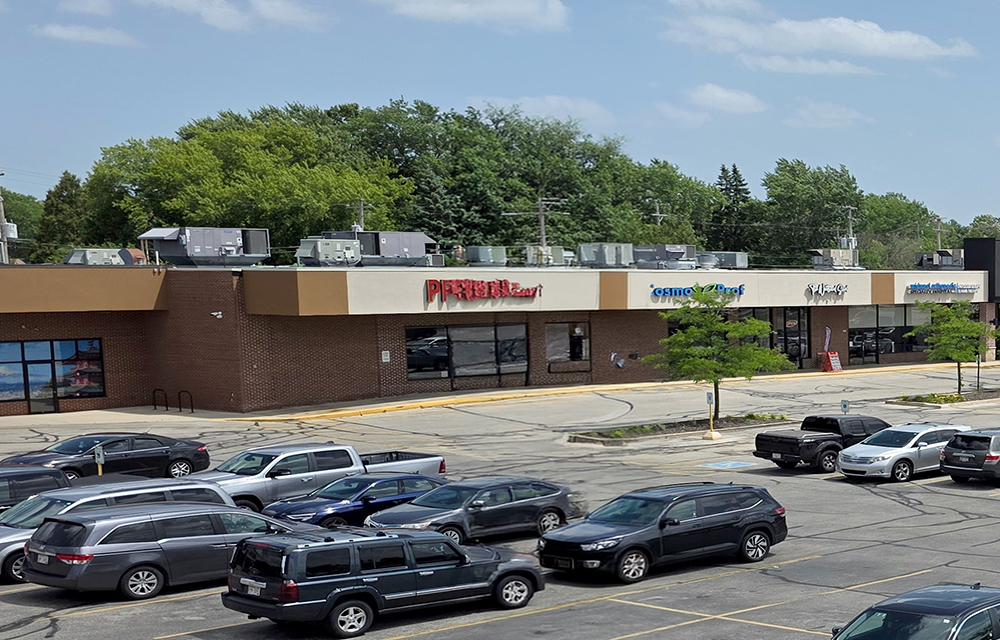
United Properties Corp. expands Wisconsin and Illinois retail presence adding 200,000 s/f
West Allis, WI United Properties Corp. completed two retail acquisitions totaling $27.4 million across Illinois and Wisconsin, adding 205,000 s/f of shopping center space to its portfolio



Columns and Thought Leadership

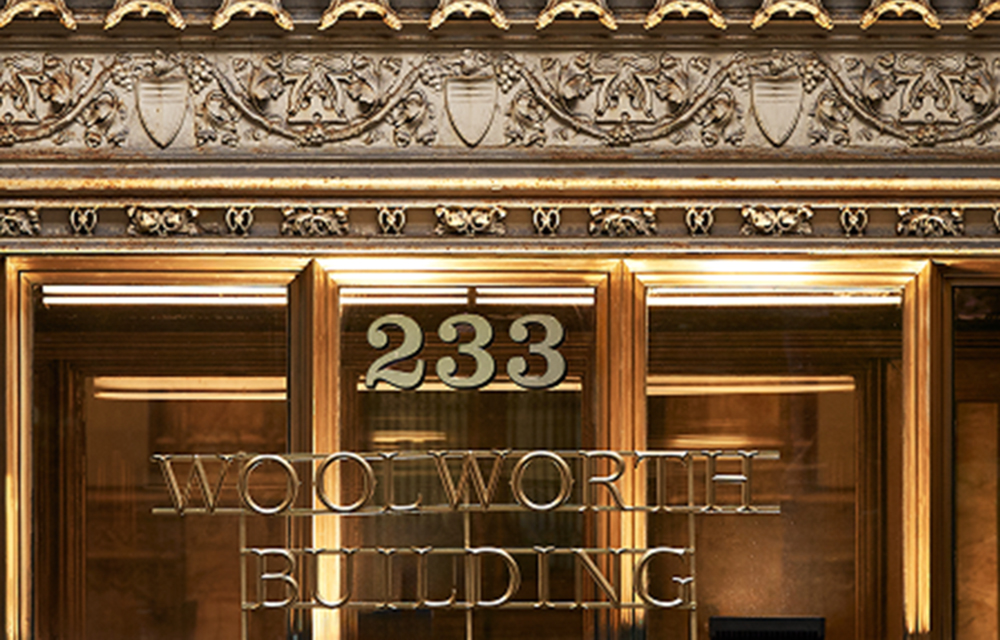
Hunt commercial real estate question and answer: Fortune 500 wisdom - by David Hunt
Yes, there are lessons to be learned from the largest companies in America when comes to managing your real estate. But the decision to buy or lease real estate may not be one of

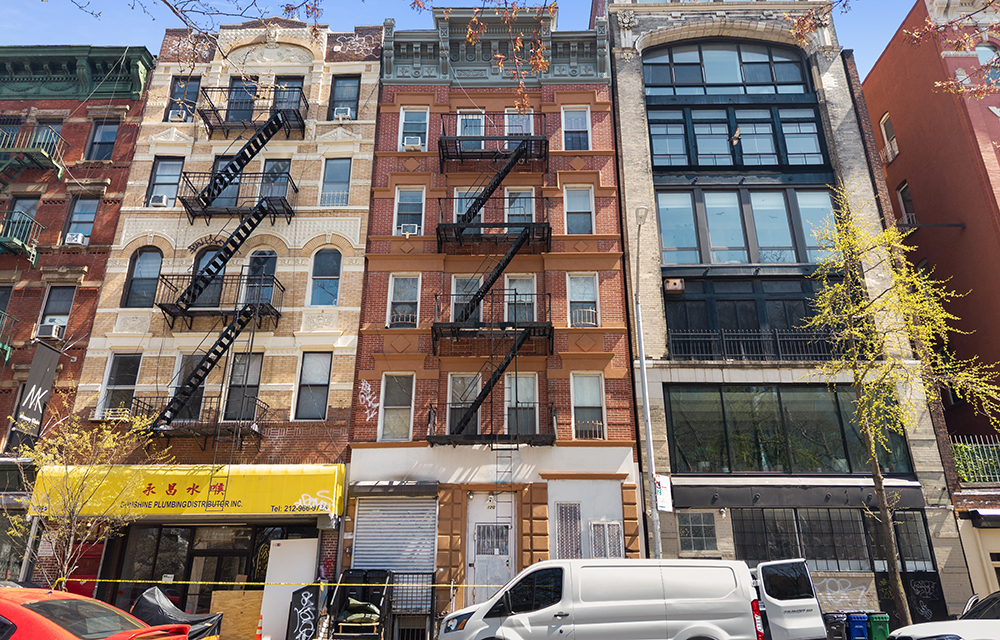
New York’s streets are full again, and the retail numbers prove it - by Noam Aziz
Walk down any New York block this year and you can feel it. The sidewalks are crowded, the storefronts are lit, and the energy that defines this city is back at full volume.

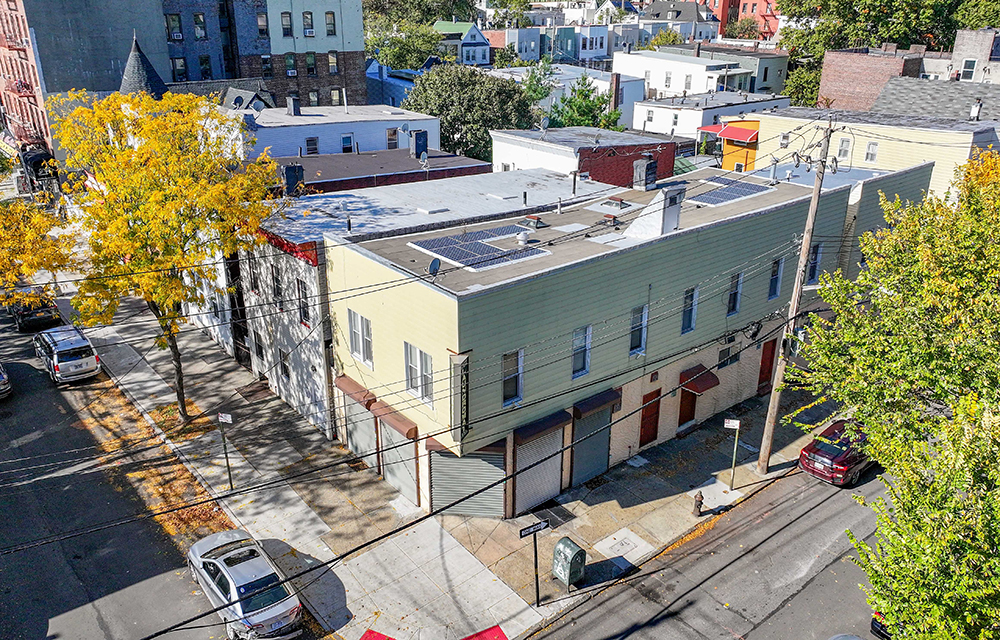
Positive forecast for New York’s pro-housing push? - by Philip Butler
New York’s housing crisis remains a hot button topic despite growing consensus that varied and affordable housing is desperately needed statewide. Governor Hochul has recently introduced several initiatives to overcome N.Y.’s anti-housing

A guide to finding the right NYC property management company - by Sanjay Gandhi
Being a small to midsize landlord in NYC is an increasingly demanding endeavor. From navigating complex regulations, increased compliance demands to dealing with tenant issues and remediating violations. It is wise to enlist the assistance of a partner, a professional
.gif)