



News:
Brokerage
Posted: June 19, 2009
Siegel and Thurston of Marcus & Millichap named exclusive agents of former button factory building
Marcus & Millichap Real Estate Investment Services has retained the exclusive listing for the High Falls Button Factory building.
Steven Siegel, a VP investments and a senior director of the firm's Net Leased Properties Group (NLPG) and National Retail Group in Manhattan; and David Thurston, a director of the National Office and Industrial Properties Group and NLPG in New Jersey, are representing the seller, an area developer.
"The High Falls Button Factory is a unique opportunity in this market," said Siegel. "The property provides a stable return going in, plus a tremendous amount of upside to the new owner. The tenants of this historic, fully renovated building include one of Rochester's largest engineering and architectural firms, one of the country's largest environmental firms, one of Rochester's finest law firms, Dun & Bradstreet and a cadre of other high-quality tenants," he said.
"The building is significantly outperforming other Rochester buildings with a current economic occupancy of 85 percent and a physical occupancy of 79 percent," adds Thurston.
Located at 300 State St. in Rochester's High Falls historic district, the property consists of two adjacent buildings, 300 State St. and 298 State St., which have been integrated into a single building with shared floor plates totaling 135,000 square feet. The building has retail space on the ground floor and three to six floors of office space. The sale includes furniture, fixtures and equipment for a restaurant on the first floor. The property's location within the New York State Empire Zone provides the owner with tax benefits.
The High Falls Button Factory was built in 1890 and once housed the largest button manufacturer in the world, the Rochester Button Co. In 1925, 298 State St. was purchased as part of the company's expansion. The factory closed in 1978 and was redeveloped for entertainment venues, professional firms and commercial office space.
Tags:
Brokerage
MORE FROM Brokerage
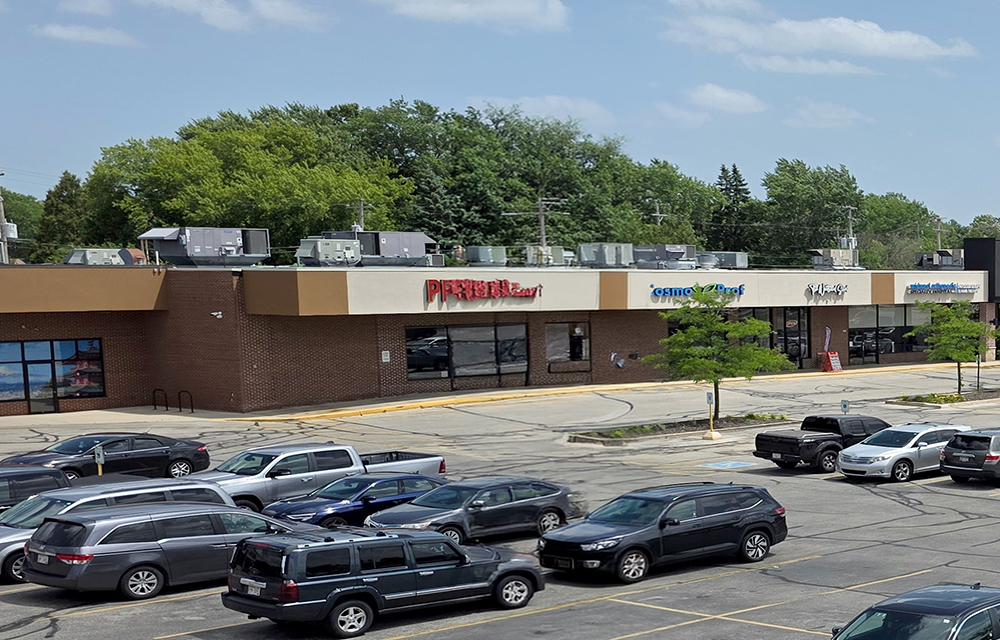
United Properties Corp. expands Wisconsin and Illinois retail presence adding 200,000 s/f
West Allis, WI United Properties Corp. completed two retail acquisitions totaling $27.4 million across Illinois and Wisconsin, adding 205,000 s/f of shopping center space to its portfolio


Quick Hits
 (2).gif)

Columns and Thought Leadership

A guide to finding the right NYC property management company - by Sanjay Gandhi
Being a small to midsize landlord in NYC is an increasingly demanding endeavor. From navigating complex regulations, increased compliance demands to dealing with tenant issues and remediating violations. It is wise to enlist the assistance of a partner, a professional

Positive forecast for New York’s pro-housing push? - by Philip Butler
New York’s housing crisis remains a hot button topic despite growing consensus that varied and affordable housing is desperately needed statewide. Governor Hochul has recently introduced several initiatives to overcome N.Y.’s anti-housing

New York’s streets are full again, and the retail numbers prove it - by Noam Aziz
Walk down any New York block this year and you can feel it. The sidewalks are crowded, the storefronts are lit, and the energy that defines this city is back at full volume.

Hunt commercial real estate question and answer: Fortune 500 wisdom - by David Hunt
Yes, there are lessons to be learned from the largest companies in America when comes to managing your real estate. But the decision to buy or lease real estate may not be one of
.gif)