



News:
Brokerage
Posted: July 29, 2025
AI comes to public relations, but be cautious, experts say - by Harry Zlokower
Last month Bisnow scheduled the New York AI & Technology cocktail event on commercial real estate, moderated by Tal Kerret, president, Silverstein Properties, and including tech officers from Rudin Management, Silverstein Properties, structural engineering company Thornton Tomasetti and the founder of Overlay Capital Build, a digital transformation consulting firm. The event illustrated how commercial real estate is diving into AI.
As it happens, so is public relations.
Recent articles in Forbes and New York Times note how public relations firms launched tools to monitor global trends, identify audiences and test messaging. Public relations tech contractors, including Cision, Prowly and Prophet, who traditionally provide media databases and other services to companies, including real estate, now offer their own external AI applications according to Forbes. There are also startups which are automatically generating news releases and e-emails for companies, noted the Times. Some public relations professionals use AI to save time manually writing press releases so to have more time for strategizing and message development, Forbes pointed out.
But that’s where the warning comes in for commercial real estate firms that do their own public relations and/or work with outside agencies. As tempting as it is, do not rely on AI to do all your public relations work to save money and time and/or to substitute for human professional counsel and execution. Years of human expertise cannot be replaced, noted an expert in a Cision sponsored panel on AI in public relations.
As Forbes warns AI generated press releases “can easily plagiarize,” and require human editing to correct grammar and spelling and be more resonant. For overall effectiveness, there is no substitute for human professionals who understand your business and your messaging.
Harry Zlokower is a real estate public relations consultant based in New York.
Tags:
Brokerage
MORE FROM Brokerage
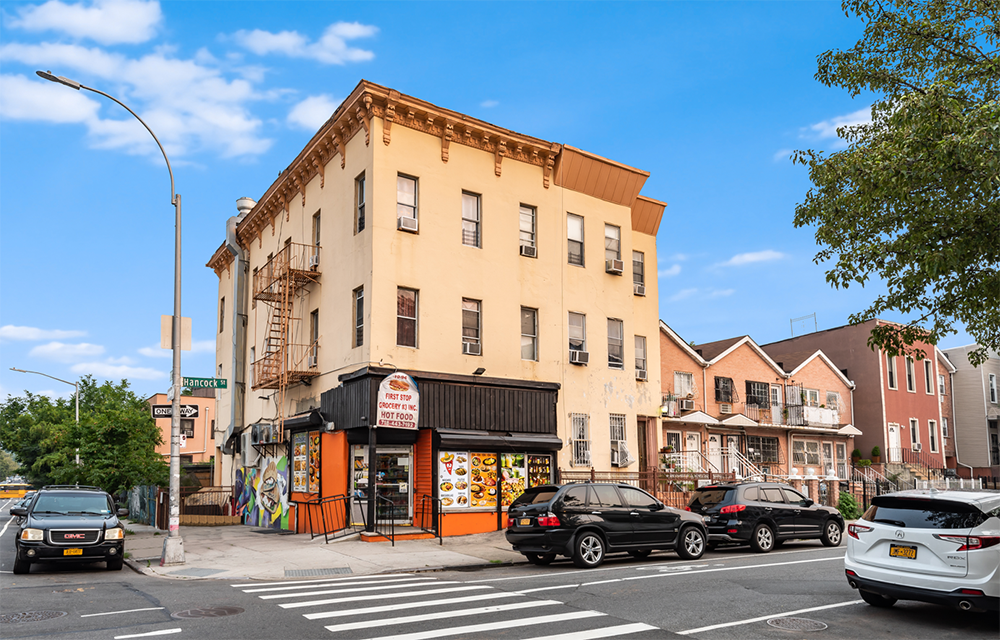
Investment Property Realty Group closes $1.75 million sale of 1094 Hancock Street in Brooklyn
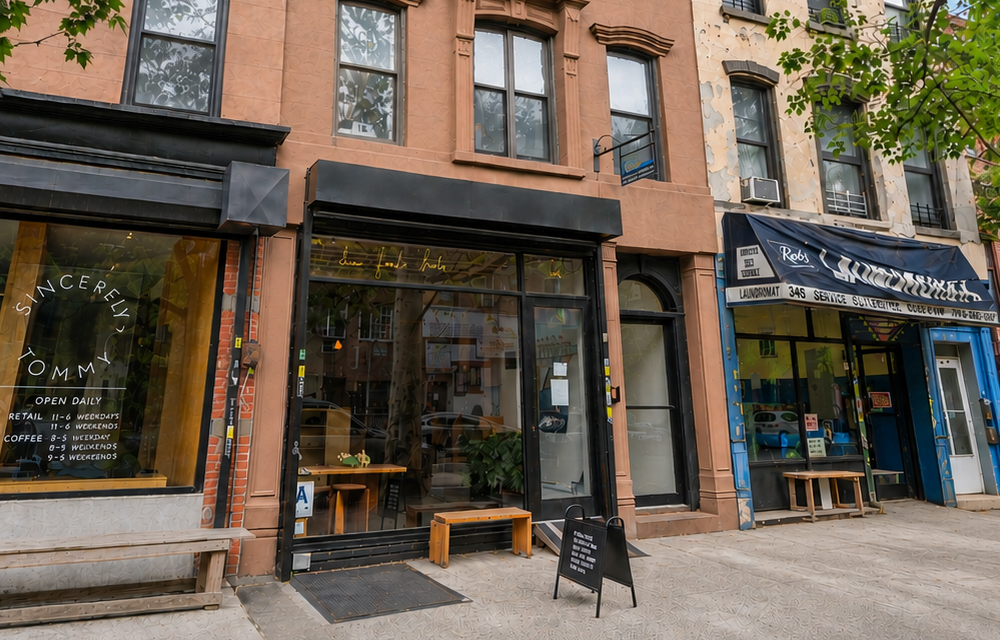
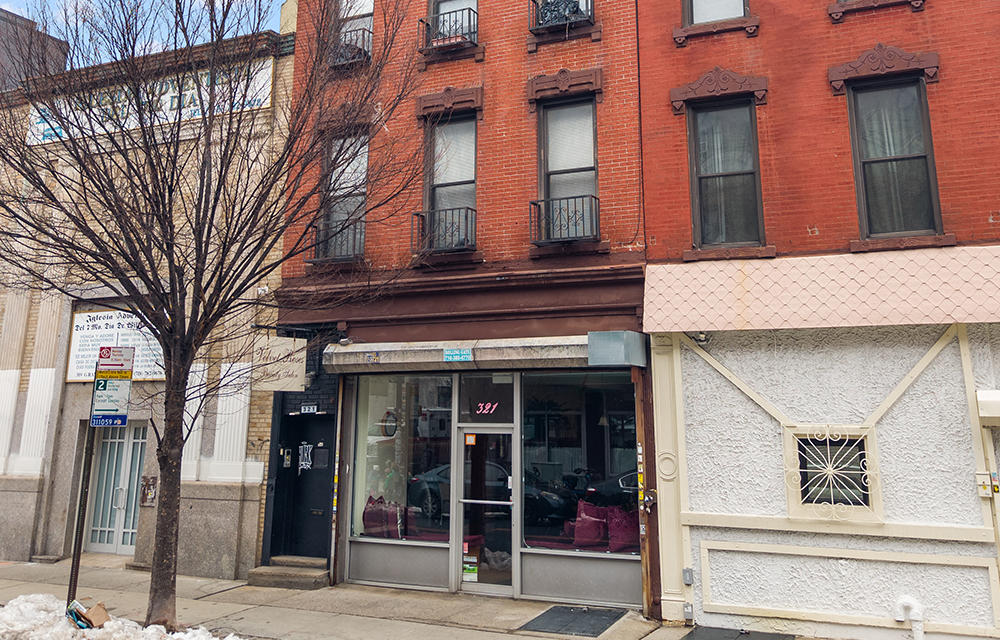
Brooklyn, NY Investment Property Realty Group (IPRG), a New York-based commercial investment firm, has closed the sale of 1094 Hancock St., a mixed-use building in the Bushwick section, for $1.75 million.


 (2).gif)

Columns and Thought Leadership

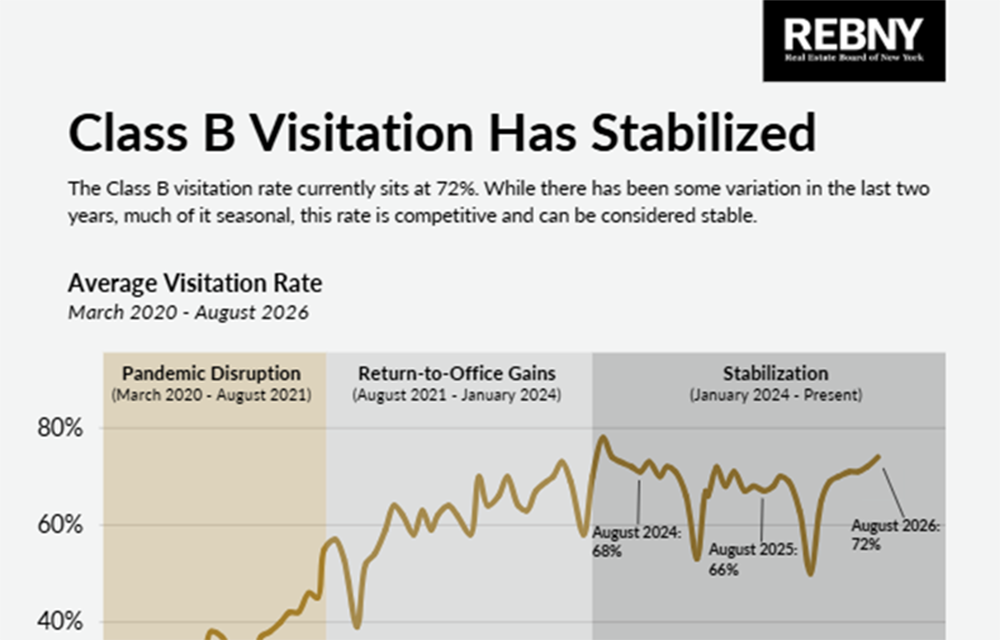
New York’s streets are full again, and the retail numbers prove it - by Noam Aziz
Walk down any New York block this year and you can feel it. The sidewalks are crowded, the storefronts are lit, and the energy that defines this city is back at full volume.

Hunt CRE question and answer: Choosing a real estate agent - by David Hunt
First, we will only work with one agent exclusively. The primary reason is that we want that agent to legally represent our client’s interests. In New York State, a real estate agent has a fiduciary

Hunt commercial real estate question and answer: Fortune 500 wisdom - by David Hunt
Yes, there are lessons to be learned from the largest companies in America when comes to managing your real estate. But the decision to buy or lease real estate may not be one of

A guide to finding the right NYC property management company - by Sanjay Gandhi
Being a small to midsize landlord in NYC is an increasingly demanding endeavor. From navigating complex regulations, increased compliance demands to dealing with tenant issues and remediating violations. It is wise to enlist the assistance of a partner, a professional
.gif)