



News:
Brokerage
Posted: October 20, 2014
KCCM completes University of Albany Mohawk Tower renovation
A full renovation of the University of Albany SUNY Mohawk Tower for the Dormitory Authority of the State of New York (DASNY) has been completed by Kirchhoff-Consigli Construction Management (KCCM) in time for students to move in for the Fall semester.
"It's been a pleasure working with representatives from the DASNY, the Facilities Management team at the University of Albany, as well as the architect teams at Cannon Design and Architecture + to successfully complete this massive renovation in the heart of an occupied campus. We are proud to have been part of such a transformative project," said Mike Winters, KCCM project executive.
The 100, 000 s/f, 24-story residential high-rise, located at the center of the Indian Quadrangle Residence Hall complex on campus, was originally built in 1972 and needed extensive exterior and interior renovations and upgrades.
Working with Architecture +, a local design firm, all 2,200 windows have been replaced with energy efficient, awning-style operable windows. In addition to exterior repairs to the precast concrete façade and doors, the entry vestibule has been reconfigured to create a two-story weather-tight entry.
Inside, the tower houses 440 beds and contains lounge and multipurpose spaces and a weather observatory on the roof level. With Cannon Design, KCCM renovated the interior spaces and installed new mechanical, electrical, fire protection and plumbing systems and made elevator improvements, bringing the building up to current standards, codes and regulations.
In addition to Mohawk Tower, KCCM is also working with Architecture + on exterior restoration at Stuyvesant, Livingston and Eastman Towers, all residence halls which define the University of Albany's campus.
Tags:
Brokerage
MORE FROM Brokerage
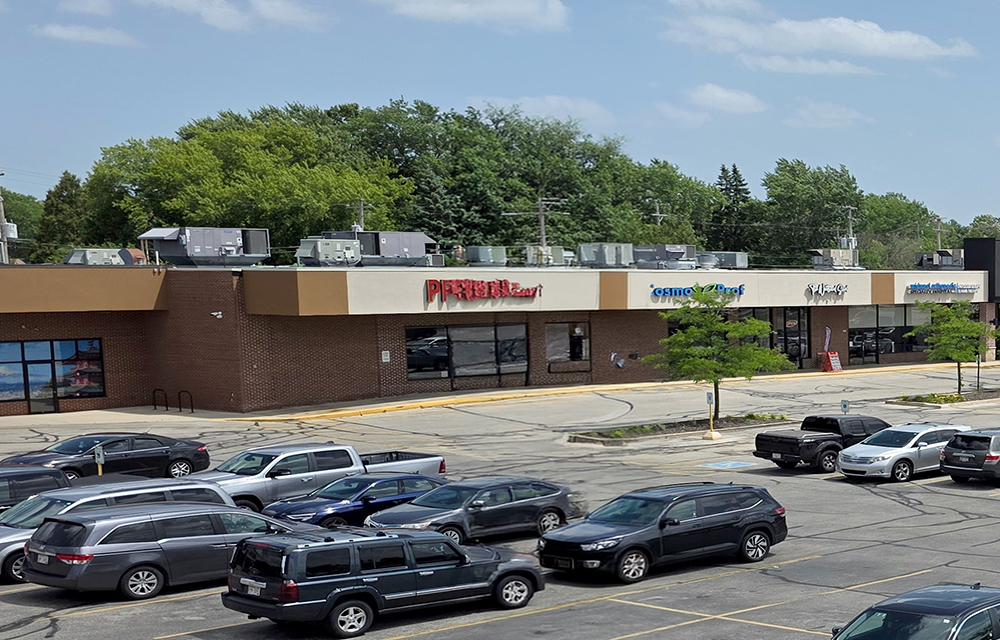
United Properties Corp. expands Wisconsin and Illinois retail presence adding 200,000 s/f
West Allis, WI United Properties Corp. completed two retail acquisitions totaling $27.4 million across Illinois and Wisconsin, adding 205,000 s/f of shopping center space to its portfolio




Quick Hits

Columns and Thought Leadership

Hunt commercial real estate question and answer: Fortune 500 wisdom - by David Hunt
Yes, there are lessons to be learned from the largest companies in America when comes to managing your real estate. But the decision to buy or lease real estate may not be one of

Positive forecast for New York’s pro-housing push? - by Philip Butler
New York’s housing crisis remains a hot button topic despite growing consensus that varied and affordable housing is desperately needed statewide. Governor Hochul has recently introduced several initiatives to overcome N.Y.’s anti-housing

A guide to finding the right NYC property management company - by Sanjay Gandhi
Being a small to midsize landlord in NYC is an increasingly demanding endeavor. From navigating complex regulations, increased compliance demands to dealing with tenant issues and remediating violations. It is wise to enlist the assistance of a partner, a professional

New York’s streets are full again, and the retail numbers prove it - by Noam Aziz
Walk down any New York block this year and you can feel it. The sidewalks are crowded, the storefronts are lit, and the energy that defines this city is back at full volume.
.gif)