



News:
Brokerage
Posted: December 5, 2008
Auto business "breezes" through expansion thanks to financing
Brooklyn-based Sea Breeze Auto Body Repairs provides auto body and repair services in Brooklyn. Started in 1989 by owner Domenic Benedetto, the company recently relocated in Brooklyn from 6,000 s/f to an 11,300 s/f building on 18th Ave. The new building is enabling the company to take on insurance companies and handle their auto repair programs- doubling Sea Breeze's capacity.
Key to the expansion was affordable, low down payment financing- provided by Unity Bank and the Greater New York Development Co. (GNYDC). Unity lent 50% of the project cost (acquisition, renovations and soft costs). GNYDC lent 40% in a subordinate lien position behind Unity. The company injected just 10%, saving its working capital for other expansion needs. GNYDC's loan was done under the SBA 504 loan program, providing 20-year low fixed-rate funding.
Carmine Fabio, Sr. VP GNYDC, said, "This is an example of an entrepreneurial businessman. Domenic Benedetto comes from a background in a collision shop and as a claims adjustor. He opened Sea Breeze and combined his expertise to create a successful small shop which has grown due to the insurance business. Daniel Crapanzano, operations manager of Sea Breeze co owns the real estate with Benedetto, and together Benedetto and Crapanzano are realizing the American dream. They are building equity in real estate for their families and enabling this small business to thrive and grow in the community."
Roslyn Goldmacher is the president and CEO of the Long Island Development Corp. (LIDC) and the Greater New York Development Co. (GNYDC), Bethpage, N.Y.
Tags:
Brokerage
MORE FROM Brokerage
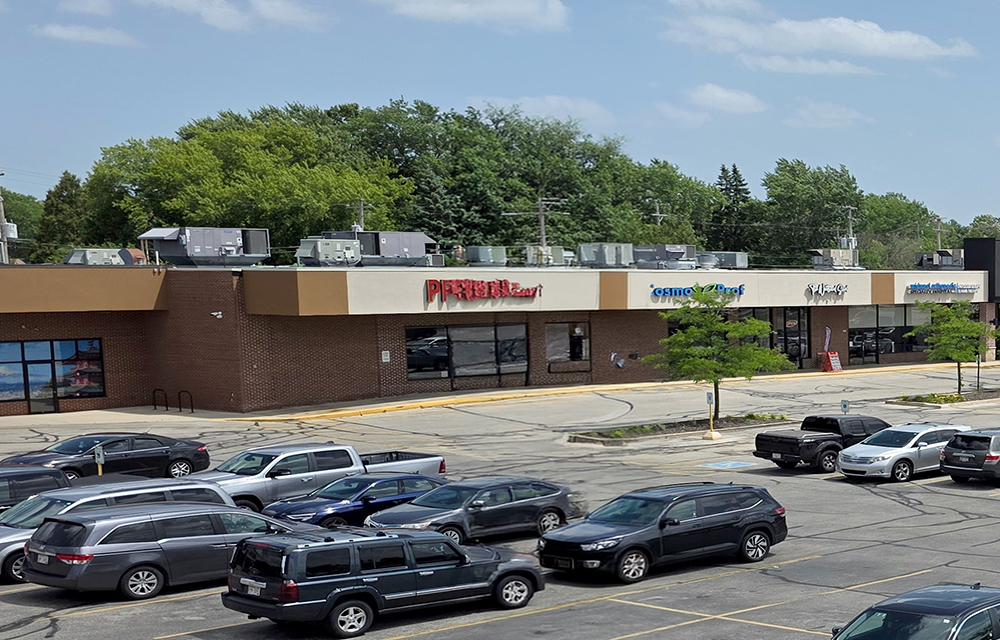
United Properties Corp. expands Wisconsin and Illinois retail presence adding 200,000 s/f
West Allis, WI United Properties Corp. completed two retail acquisitions totaling $27.4 million across Illinois and Wisconsin, adding 205,000 s/f of shopping center space to its portfolio



Quick Hits

Columns and Thought Leadership

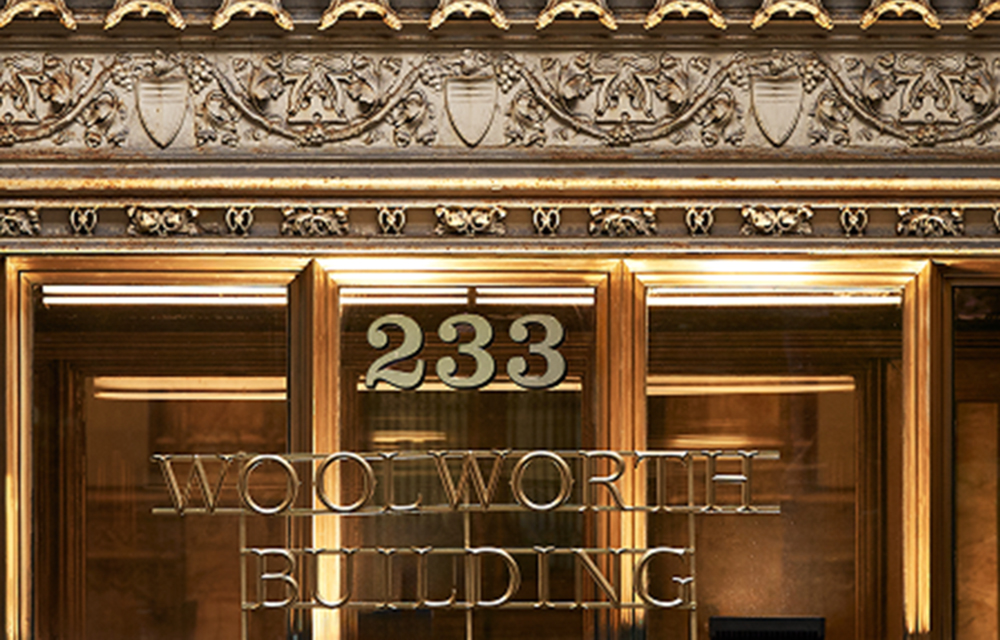
A guide to finding the right NYC property management company - by Sanjay Gandhi
Being a small to midsize landlord in NYC is an increasingly demanding endeavor. From navigating complex regulations, increased compliance demands to dealing with tenant issues and remediating violations. It is wise to enlist the assistance of a partner, a professional

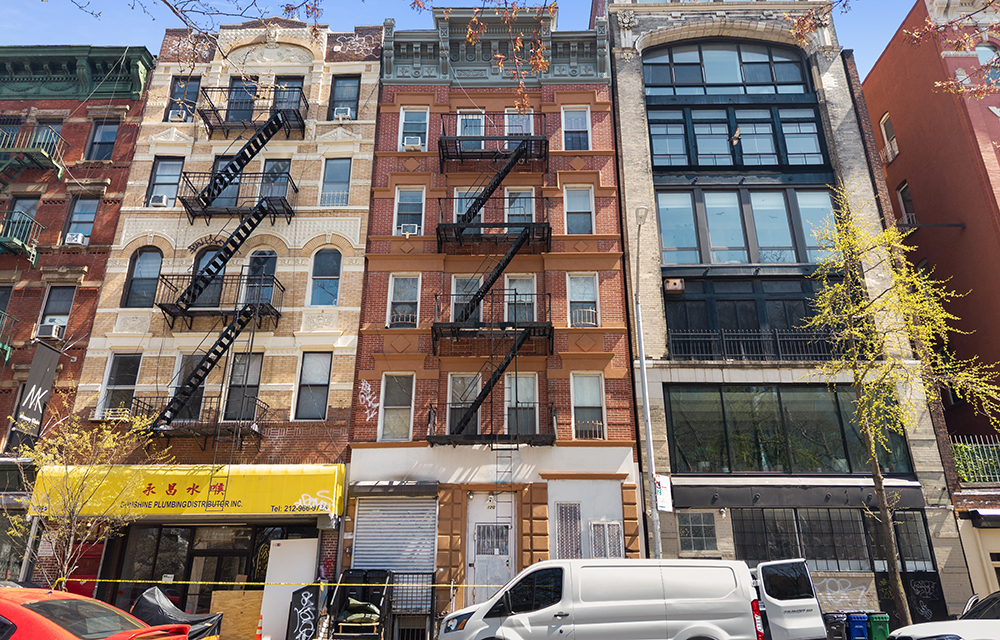
New York’s streets are full again, and the retail numbers prove it - by Noam Aziz
Walk down any New York block this year and you can feel it. The sidewalks are crowded, the storefronts are lit, and the energy that defines this city is back at full volume.

Hunt commercial real estate question and answer: Fortune 500 wisdom - by David Hunt
Yes, there are lessons to be learned from the largest companies in America when comes to managing your real estate. But the decision to buy or lease real estate may not be one of

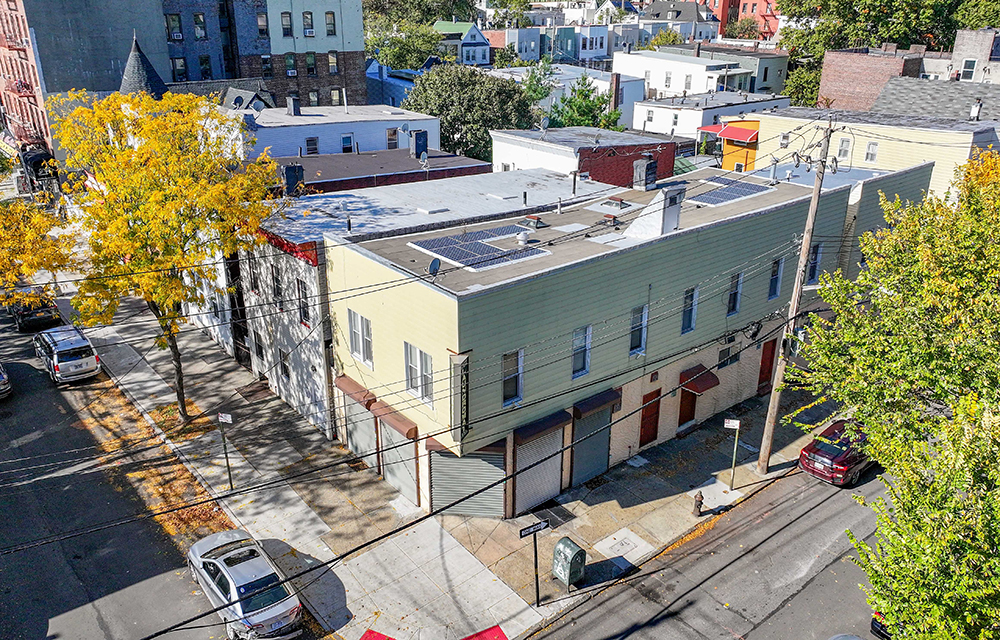
Positive forecast for New York’s pro-housing push? - by Philip Butler
New York’s housing crisis remains a hot button topic despite growing consensus that varied and affordable housing is desperately needed statewide. Governor Hochul has recently introduced several initiatives to overcome N.Y.’s anti-housing
.gif)