



News:
Brokerage
Posted: October 29, 2024
Time Equities, Inc. continues to grow it’s investment offering suite
Manhattan, NY Time Equities Inc. (TEI) launched the TEI Quarterly Debt Fund LLC, a TEI sponsored investment opportunity structured as a $100 million debt offering that provides investors with an attractive short-term yield and the ability for investors to access liquidity on a quarterly basis.
“With the fund, TEI will be top of mind for investors with a fresh and compelling investment product line alongside its traditional real estate investment offerings, marking a significant step forward as the company continues to diversify and innovate within the investment landscape,” said Francis Greenburger, chairman and CEO of TEI. “As we expand our horizons and navigate an ever-evolving market, we empower our investors to grow alongside us, seizing new opportunities for enhanced returns — without the need to seek external options.”
This offering is designed to complement and expand on the existing TEI sponsored investment platform which includes a range of diversified real estate funds (designed for tax advantaged income and growth), short-term debt offerings and custom 1031 exchanges into single assets.
“Time Equities’ Quarterly Debt Fund presents an exceptional opportunity for those seeking diverse avenues to deploy their capital, addressing both short-term income needs and liquidity considerations,” said Alexander Anderson, senior director of TEI. “This open-ended fund, offers a versatile alternative to traditional options such as money market or savings accounts and broadens the scope for investors while enabling TEI to leverage a newly established private credit line.”
For investors seeking to participate and diversify their portfolio, TEI is currently offering an introductory rate of 8%annualized on a pro-rate basis between now and the end of 2024. Beginning in January 2025, the rate will convert to a floating rate that adjusts on a quarterly basis against the three-month U.S. Treasury Bill, in addition to 150 basis points (1.5%). The minimum investment amount is $25,000, and investors will have the option to redeem their earnings after the first full calendar quarter.
Tags:
Brokerage
MORE FROM Brokerage
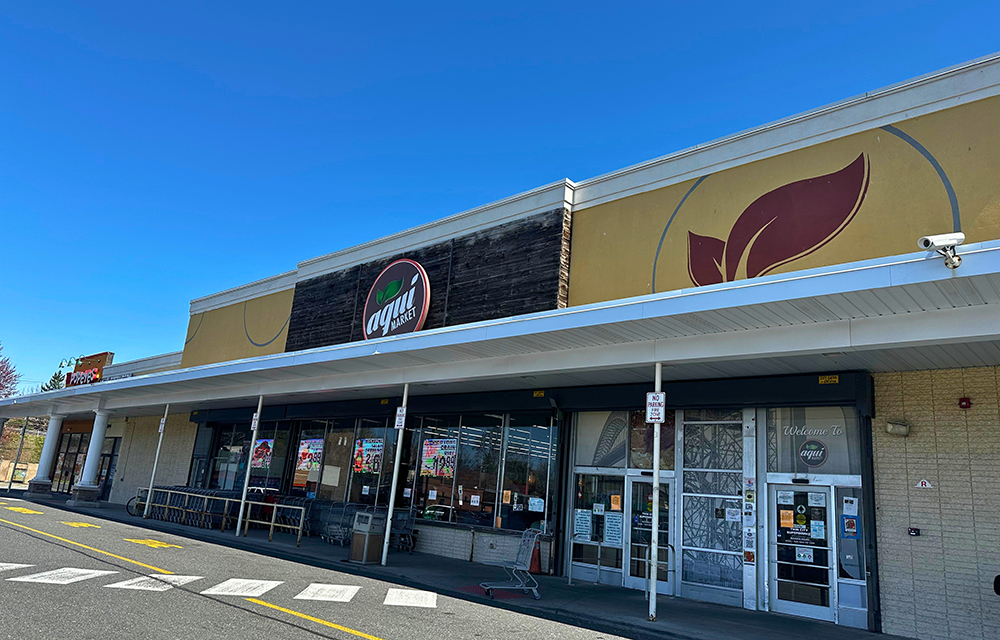
Planet Fitness coming to Twin City Shopping Center in Jersey City
Jersey City, NJ Planet Fitness is coming to Twin City Shopping Center in Jersey City, bringing the 95,000 s/f, grocery-anchored property to full occupancy. The nationally recognized fitness brand has leased a





Quick Hits

Columns and Thought Leadership

Hunt commercial real estate question and answer: Fortune 500 wisdom - by David Hunt
Yes, there are lessons to be learned from the largest companies in America when comes to managing your real estate. But the decision to buy or lease real estate may not be one of

New York’s streets are full again, and the retail numbers prove it - by Noam Aziz
Walk down any New York block this year and you can feel it. The sidewalks are crowded, the storefronts are lit, and the energy that defines this city is back at full volume.

A guide to finding the right NYC property management company - by Sanjay Gandhi
Being a small to midsize landlord in NYC is an increasingly demanding endeavor. From navigating complex regulations, increased compliance demands to dealing with tenant issues and remediating violations. It is wise to enlist the assistance of a partner, a professional

Hunt CRE question and answer: Choosing a real estate agent - by David Hunt
First, we will only work with one agent exclusively. The primary reason is that we want that agent to legally represent our client’s interests. In New York State, a real estate agent has a fiduciary
.gif)