



News:
Brokerage
Posted: July 2, 2019
SWBR names Rebholz and Weber to its board and promotes Wade to associate
Rochester, NY According to SWBR, Steven Rebholz, AIA, and Matthew Weber, PE, have been elected to its board of directors and Jessica Wade, AIA, has been promoted to associate.
Board members’ responsibilities include the implementation of corporate procedures and controls, and formulation of overall business plans, operations, market objectives and strategies. SWBR’s board comprises the president and six members elected by shareholders.
Principal and COO Rebholz was re-elected to the board. His primary focus is on K-12 education projects, making him an expert at managing the State Education Department process. In addition to his architecture license, Rebholz is a certified asbestos project designer and construction specifier and was also recently awarded the President’s Award by the city's chapter of the Construction Specifications Institute. He received his Bachelor of Architecture from the University of Notre Dame.
As senior associate and structural engineer, Weber, who joined the firm in 2009, designs creative structural solutions on all project types, including industrial, K-12 and higher education, and affordable housing. He’s a talented and collaborative designer, known for solving open-ended problems. His recent projects include Rochester Institute of Technology’s MAGIC Spell Studios, The Wegman Family Science and Technology Center at McQuaid Jesuit, and DePaul Carriage Factory Apartments. He graduated from Clarkson University with a Bachelor of Science in civil engineering.
“Steve and Matt are established and dedicated leaders of the firm,” SWBR president Tom Gears, AIA, said. “I’m pleased with their election to our board and look forward to their contributions.”
Wade, who recently earned her New York State architectural license, manages construction projects from conceptual design through construction completion for the firm’s Housing studio. Her responsibilities include ensuring design meets clients’ specifications and that projects are on time and on budget. She earned her Bachelor of Science in architecture from the University at Buffalo and her Master of Architecture from Illinois Institute of Technology.
Tags:
Brokerage
MORE FROM Brokerage
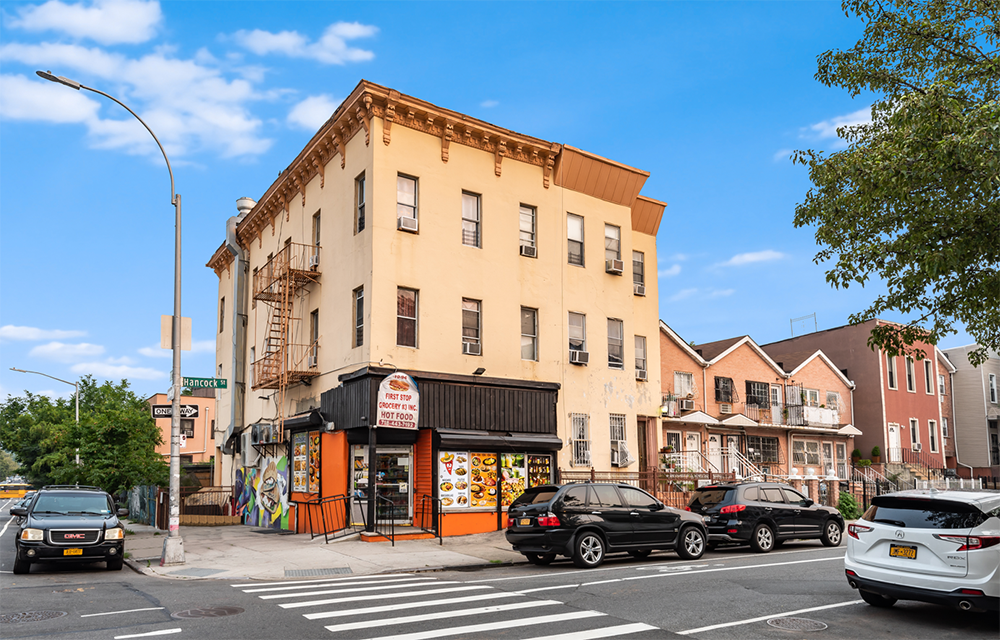
Investment Property Realty Group closes $1.75 million sale of 1094 Hancock Street in Brooklyn
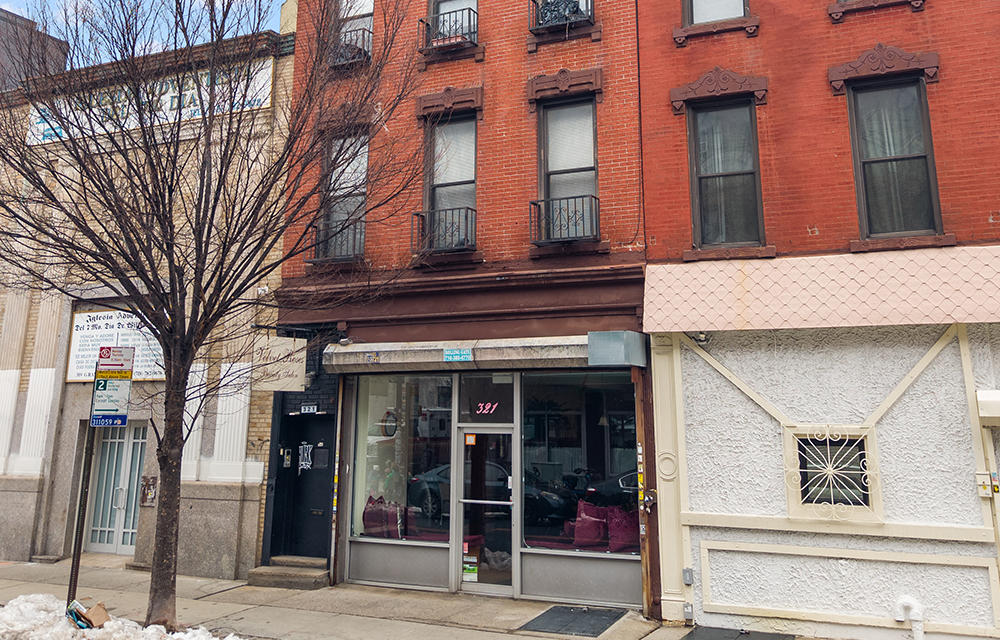
Brooklyn, NY Investment Property Realty Group (IPRG), a New York-based commercial investment firm, has closed the sale of 1094 Hancock St., a mixed-use building in the Bushwick section, for $1.75 million.


Quick Hits
 (2).gif)

Columns and Thought Leadership

Hunt CRE question and answer: Choosing a real estate agent - by David Hunt
First, we will only work with one agent exclusively. The primary reason is that we want that agent to legally represent our client’s interests. In New York State, a real estate agent has a fiduciary

A guide to finding the right NYC property management company - by Sanjay Gandhi
Being a small to midsize landlord in NYC is an increasingly demanding endeavor. From navigating complex regulations, increased compliance demands to dealing with tenant issues and remediating violations. It is wise to enlist the assistance of a partner, a professional

Hunt commercial real estate question and answer: Fortune 500 wisdom - by David Hunt
Yes, there are lessons to be learned from the largest companies in America when comes to managing your real estate. But the decision to buy or lease real estate may not be one of

New York’s streets are full again, and the retail numbers prove it - by Noam Aziz
Walk down any New York block this year and you can feel it. The sidewalks are crowded, the storefronts are lit, and the energy that defines this city is back at full volume.
.gif)