



News:
Brokerage
Posted: September 13, 2010
Structuring of expenditures
Unemployment and underemployment rates have increased (although now relatively stable), certain tenants are downsizing and need less space, vacancies have increased, rents have decreased and more sublease space is on the market. All of these factors, when combined with increasing cap rates and general uncertainty, have contributed to a precipitous drop in real estate values. With the downturn in the metropolitan NYC real estate market, owners of office buildings (lessors) are dealing with tenants that have (or feel they have) the upper hand in lease negotiations. In this environment it is particularly important for lessors to structure any lease costs or incentives in a tax advantageous manner.
There are potential alternatives to consider in structuring amounts incurred by a lessor in connection with new or renewal leases. The overall goal is to structure the expenditures in such a manner to either accelerate deductions, or at the very least, match the timing of the deduction and resulting tax benefit to the period over which rental income is recognized.
Amounts paid to or on behalf of a tenant for improvements to the leased premises and for tangible property (collectively, TI's) are capitalizable and the costs are either depreciable or amortizable depending on the structure and facts and circumstances. Alternatives the lessor may consider include the following:
* The cost of TI's may be effectively funded through a "reasonable rent holiday" (rent abatement) during the lease term. Care must be exercised so that there is no inference in the documents that the abatement is for TI's.
* An "allowance" or inducement may be given to the tenant that, in turn funds the tenant's cost of the TI's. A properly structured "lease inducement" is amortizable over the lease term.
* The lessor may make a loan to the tenant payable over the lease term to fund the improvements.
* In the less advantageous event that the lessor "builds out" the TI or the "allowance" is required to be used to fund the TI, the lessor will capitalize the cost and depreciate such cost over 5 - 39 years depending on the character of resulting assets. In this event, a "cost segregation study" may maximize the classification to shorter tax depreciation "lives."
From a property owner's perspective, it is always important to structure lease related costs in a tax advantageous manner.
Scott O'Sullivan, CPA, is a partner at Margolin, Winer & Evans LLP, Garden City, N.Y.
Tags:
Brokerage
MORE FROM Brokerage
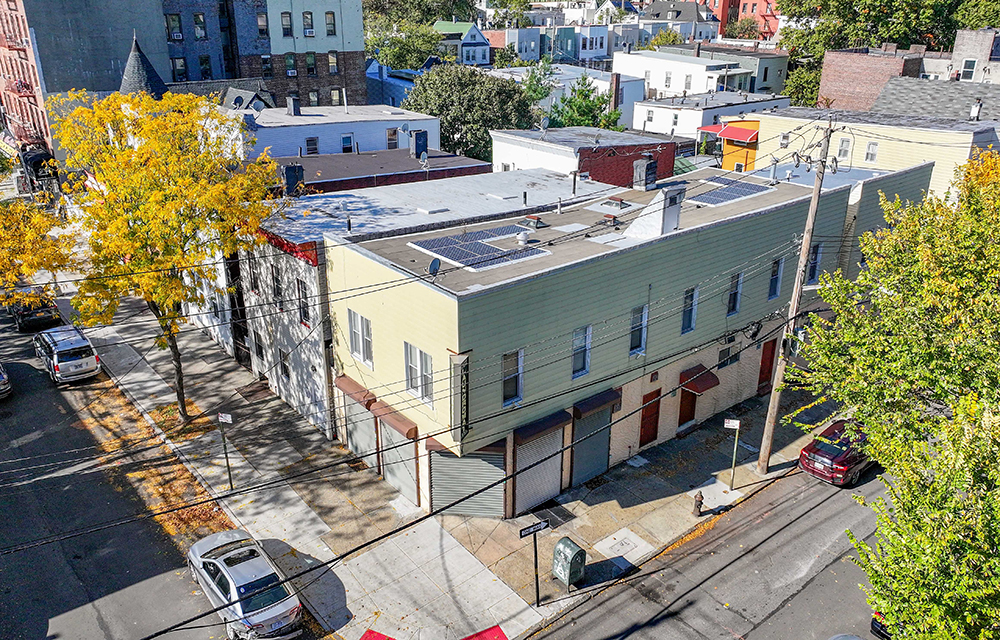
Investment Property Realty Group’s Team Friedman closes five Bronx sales totaling $5.3 million
Bronx, NY Investment Property Realty Group’s (IPRG) Team Friedman closed five sales totaling $5.3 million in the month of September. • 1707 Melville St. sold for $1.35 million. Located in Van Nest, the property





Columns and Thought Leadership

A guide to finding the right NYC property management company - by Sanjay Gandhi
Being a small to midsize landlord in NYC is an increasingly demanding endeavor. From navigating complex regulations, increased compliance demands to dealing with tenant issues and remediating violations. It is wise to enlist the assistance of a partner, a professional

Positive forecast for New York’s pro-housing push? - by Philip Butler
New York’s housing crisis remains a hot button topic despite growing consensus that varied and affordable housing is desperately needed statewide. Governor Hochul has recently introduced several initiatives to overcome N.Y.’s anti-housing

Hunt commercial real estate question and answer: Fortune 500 wisdom - by David Hunt
Yes, there are lessons to be learned from the largest companies in America when comes to managing your real estate. But the decision to buy or lease real estate may not be one of

New York’s streets are full again, and the retail numbers prove it - by Noam Aziz
Walk down any New York block this year and you can feel it. The sidewalks are crowded, the storefronts are lit, and the energy that defines this city is back at full volume.
.gif)