



News:
Brokerage
Posted: September 13, 2010
Too Much Temptation
For the heck of it I recently surveyed a bunch of successful business people and asked them several questions.
The first was: What do you think caused the most recent business crash in this country and around the world? Most answers were interesting and almost identical. Government deregulation led to the downfall. It was explained and obvious that the definition of deregulation is laws. Imagine your small, quiet, safe town eliminating all laws. What would happen? I'm sure you would move very quickly.
Ronald Reagan was the first to deregulate. There used to be a Monopoly Law. Example: One person could only own seven radio stations and was also limited to how many TV stations and newspapers. Why? Obvious. A rich and power hungry group could buy all and be able to control what people listened to and watched. That would be quite dangerous in any society.
Today, many forget the past and laud Reagan because of the wonderful business climate in the eighties. If you owned a peanut stand you made more money than you could spend. We all too easily forget that Reagan slept through office that led to a horrible 3 year recession. 89. '90, '91. Why did Reagan change the law? Why did the senate and reps who are elected by us to protect and represent us, go along? I give up and so do all the knowledgeable people that I surveyed.
Why did Clinton and Bush so easily allow so many deregulations that led to horrible temptation by smart and dumb (uninformed, gullible) people? None of my interviewees knew the answer, or would even guess. One answer was common, however. The most important part of the Lord's Prayer that used to be recited every morning in every school room and now outlawed is "Lead me not into temptation." Remember that line? Okay. Do the math. How long ago was that harmless prayer thrown away? When did the deregulations start? Is it really politically correct to eliminate everything that refers to our Creator, and at the same time throw out all the laws that keep many from too much temptation? You be the judge.
Roland Hopkins is the founder of the New York Real Estate Journal, Norwell, Mass.
Tags:
Brokerage
MORE FROM Brokerage
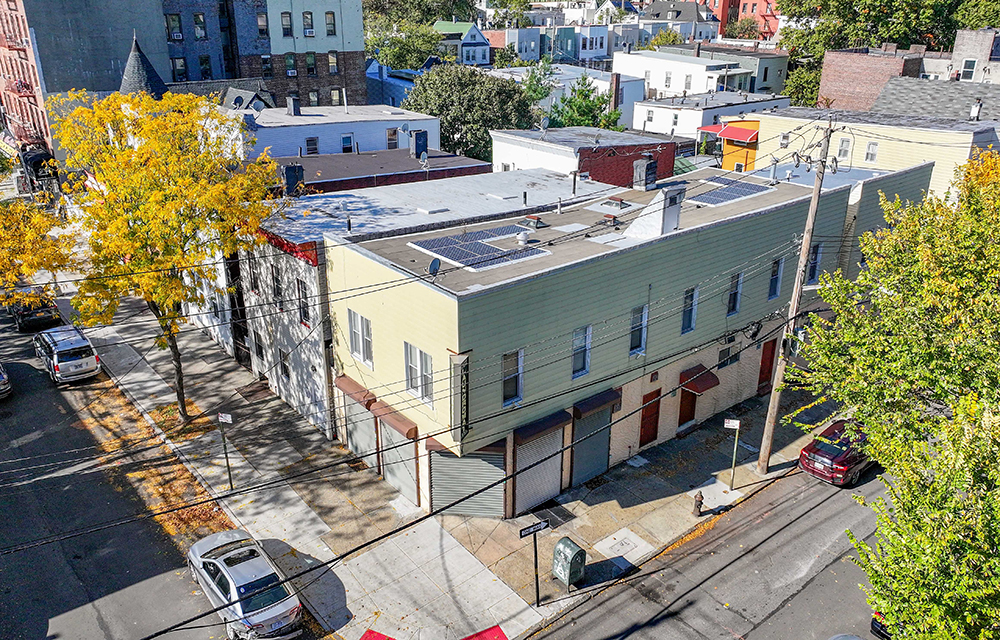
Investment Property Realty Group’s Team Friedman closes five Bronx sales totaling $5.3 million
Bronx, NY Investment Property Realty Group’s (IPRG) Team Friedman closed five sales totaling $5.3 million in the month of September. • 1707 Melville St. sold for $1.35 million. Located in Van Nest, the property




Quick Hits
 (2).gif)

Columns and Thought Leadership

A guide to finding the right NYC property management company - by Sanjay Gandhi
Being a small to midsize landlord in NYC is an increasingly demanding endeavor. From navigating complex regulations, increased compliance demands to dealing with tenant issues and remediating violations. It is wise to enlist the assistance of a partner, a professional

New York’s streets are full again, and the retail numbers prove it - by Noam Aziz
Walk down any New York block this year and you can feel it. The sidewalks are crowded, the storefronts are lit, and the energy that defines this city is back at full volume.

Positive forecast for New York’s pro-housing push? - by Philip Butler
New York’s housing crisis remains a hot button topic despite growing consensus that varied and affordable housing is desperately needed statewide. Governor Hochul has recently introduced several initiatives to overcome N.Y.’s anti-housing

Hunt commercial real estate question and answer: Fortune 500 wisdom - by David Hunt
Yes, there are lessons to be learned from the largest companies in America when comes to managing your real estate. But the decision to buy or lease real estate may not be one of
.gif)