



News:
Brokerage
Posted: March 24, 2020
Shawmut celebrates 5th annual Women in Construction Week
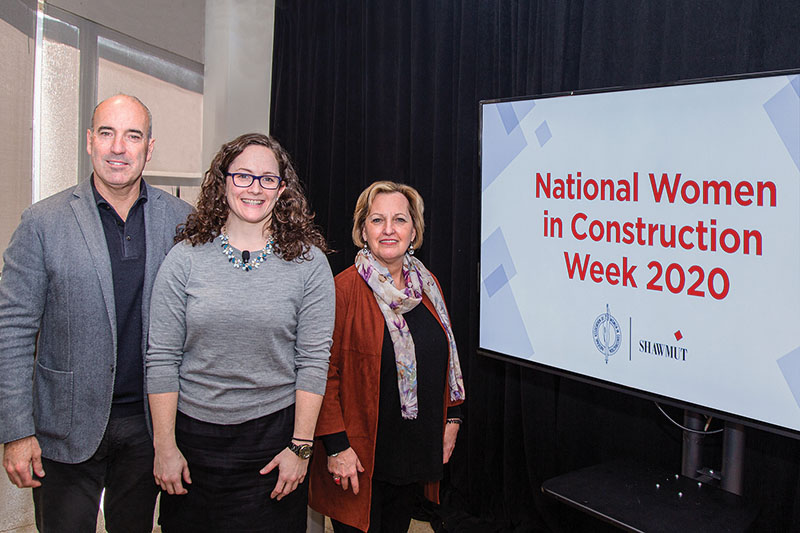
New York, NY Shawmut Design and Construction celebrated Women in Construction Week nationwide and through various industry events hosted by its local office. In an industry that’s 10% women, the firm joined in the effort to highlight women as a visible component of the construction industry. CEO Les Hiscoe kicked off the celebrations on March 2nd by introducing guest speaker, Allison Robin, principal at Levien & Co. and president of the New York Chapter of Commercial Real Estate Women (CREW NY). Robin shared her career journey and advice for women in the industry.

Throughout the week, Shawmut hosted additional guest speakers, Theresa Waldeck of Lido Lighting and Cathy Leidersdorff of Architectural Flooring Resource, who shared their experiences as women in the industry, as well as tips and tools they used to build their careers. Students from Summer Search, ACE Mentor Program, and Pratt Institute shadowed Shawmut team members in the New York office to see what a day in the life is like working in the construction industry. The week of festivities ended with a tour from women project team members at Shawmut’s Times Square Theater project, a $100-million historic theater transformation into a four-story experiential retail development.
These were just a few of the many events that Shawmut hosted last week for the annual celebration. Outside of these events, Shawmut continues to be a leader in diversity, equity and inclusion for women and minorities in the industry through various companywide initiatives spearheaded by CEO, Hiscoe. Shawmut achieved 100% pay equity through a company-wide audit in 2019 and has sponsorship and mentor programs that ensure employees are receiving support and equal opportunity for promotions. The firm is also a founding member of DICE (Diversity and Inclusion in Construction and Engineering) and has created a Diversity Leadership Council to drive Shawmut’s DEI strategy and efforts.
Tags:
Brokerage
MORE FROM Brokerage
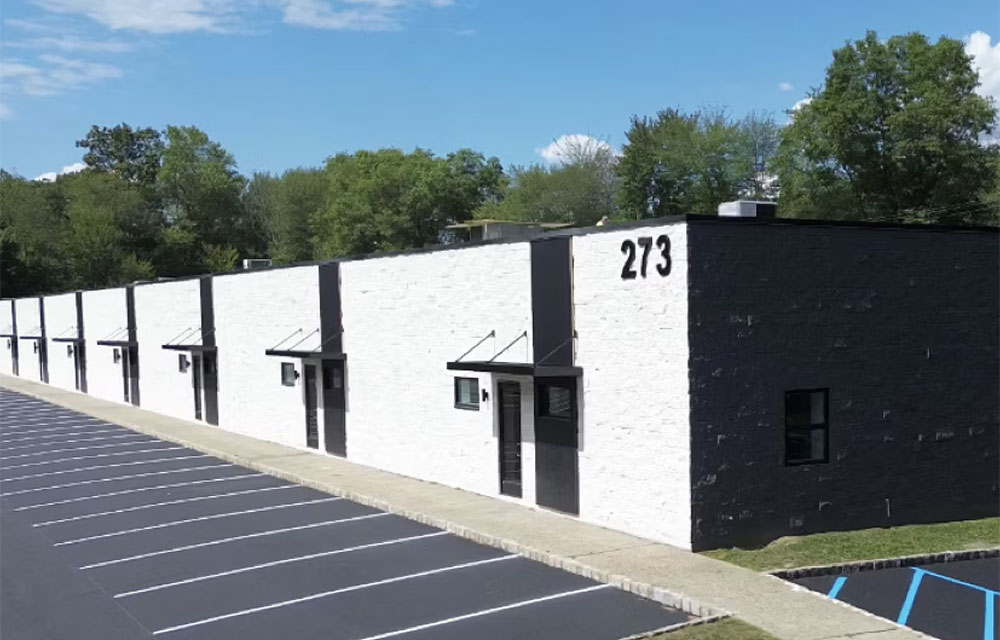
Resource Realty of Northern NJ delivers complete lease-up of 235 Franklin Rd. for Commerce Park Investors
Randolph, NJ Resource Realty of Northern New Jersey (RRNNJ) has completed the lease-up of a 10-unit small-bay industrial property at 273 Franklin Rd., marking the culmination of an investment strategy that began



Quick Hits
 (2).gif)

Columns and Thought Leadership

Positive forecast for New York’s pro-housing push? - by Philip Butler
New York’s housing crisis remains a hot button topic despite growing consensus that varied and affordable housing is desperately needed statewide. Governor Hochul has recently introduced several initiatives to overcome N.Y.’s anti-housing

A guide to finding the right NYC property management company - by Sanjay Gandhi
Being a small to midsize landlord in NYC is an increasingly demanding endeavor. From navigating complex regulations, increased compliance demands to dealing with tenant issues and remediating violations. It is wise to enlist the assistance of a partner, a professional

New York’s streets are full again, and the retail numbers prove it - by Noam Aziz
Walk down any New York block this year and you can feel it. The sidewalks are crowded, the storefronts are lit, and the energy that defines this city is back at full volume.

Hunt commercial real estate question and answer: Fortune 500 wisdom - by David Hunt
Yes, there are lessons to be learned from the largest companies in America when comes to managing your real estate. But the decision to buy or lease real estate may not be one of
.gif)