



News:
Brokerage
Posted: May 26, 2015
Savills Studley expands in Palo Alto and San Jose
Savills Studley has completed its acquisition of Cooper Brady Partners, which previously operated as Cresa San Jose and Cresa Palo Alto.
The newly acquired offices will be rebranded as Savills Studley and will continue to provide tenant representation, transaction management and project management services to companies across industries, particularly in the high-tech and life science sectors. Mitchell Steir, chairman and CEO of Savills Studley, said, "Silicon Valley has been the primary engine of economic growth in the United States over the last three decades and strengthening our presence there will enhance our ability to support the needs of the region's business base. This acquisition brings us a dynamic team of highly experienced, client-focused professionals, and we look forward to working with them in providing industry-leading transaction and advisory services to Silicon Valley-based companies, regionally, nationally, and globally through the Savills platform."
Founded in 1954, Savills Studley pioneered the conflict-free business model of representing tenants in their commercial real estate transactions. John Brady, Savills Studley's new head of the San Jose office said, "This will undoubtedly be an easy transition for our talented professionals and our clients. We are excited to be part of the Savills Studley brand in the US and look forward to working more closely with the Savills teams globally."
The Palo Alto office is located at 705 High Street, and the San Jose office is located at 550 South Winchester. Between the two offices there are twenty-one brokers and ten project managers.
Steve Barker, Savills Studley Executive Vice President and Branch Manager of the firm's San Francisco Office, helped facilitate the acquisition negotiations. "The entire Silicon Valley region saw explosive growth in 2014 and demand continues to rise. It was imperative to strengthen our presence in this important market," Barker said.
Research by Savills Studley highlights the global significance and market potential within Palo Alto and San Jose. Silicon Valley captured $10.7 billion of venture capital investment activity during the second half of 2014, exceeding the combined total of investment in the New York City Metro region, New England, LA/Orange County and the Southeast*. With vacancy rates between 1.0% to 3.0% and increasing demand for office space, tenants need both local market knowledge and strategic advice to be successful in their search for space.
CEO of Savills plc Jeremy Helsby said, "The acquisition now gives us a market leading presence in Silicon Valley, home to many businesses with expanding office space needs in both the US and around the world. We have worked with this team for many years as an associate of Savills and we know them to be of the very highest quality. This acquisition is in line with our strategy to further build on our exciting Savills Studley US business, expanding our geographical reach in our core markets."
Tags:
Brokerage
MORE FROM Brokerage
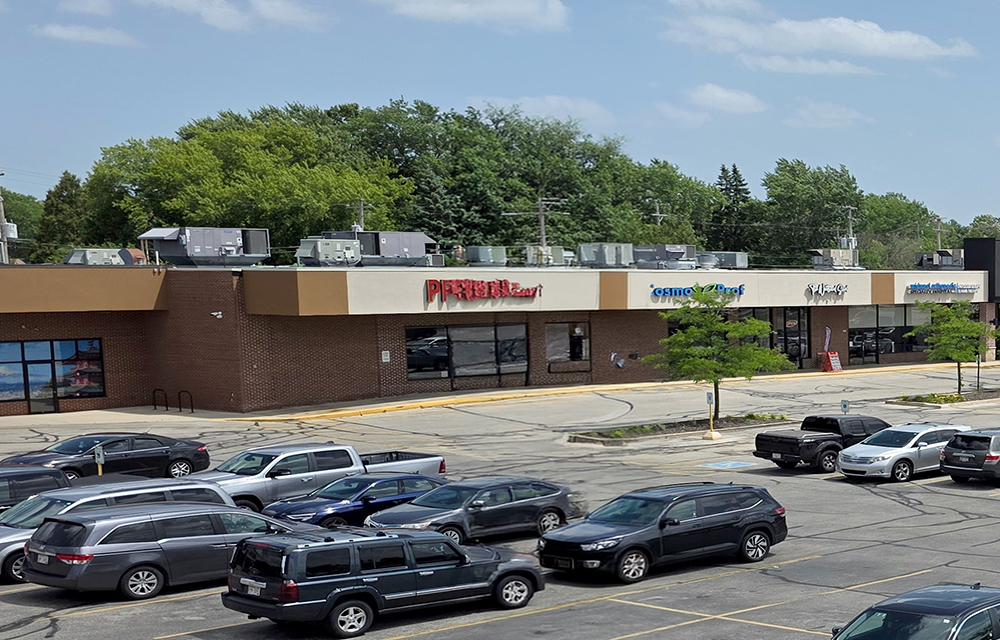
United Properties Corp. expands Wisconsin and Illinois retail presence adding 200,000 s/f
West Allis, WI United Properties Corp. completed two retail acquisitions totaling $27.4 million across Illinois and Wisconsin, adding 205,000 s/f of shopping center space to its portfolio


Quick Hits
 (2).gif)

Columns and Thought Leadership

A guide to finding the right NYC property management company - by Sanjay Gandhi
Being a small to midsize landlord in NYC is an increasingly demanding endeavor. From navigating complex regulations, increased compliance demands to dealing with tenant issues and remediating violations. It is wise to enlist the assistance of a partner, a professional

Hunt commercial real estate question and answer: Fortune 500 wisdom - by David Hunt
Yes, there are lessons to be learned from the largest companies in America when comes to managing your real estate. But the decision to buy or lease real estate may not be one of

New York’s streets are full again, and the retail numbers prove it - by Noam Aziz
Walk down any New York block this year and you can feel it. The sidewalks are crowded, the storefronts are lit, and the energy that defines this city is back at full volume.

Positive forecast for New York’s pro-housing push? - by Philip Butler
New York’s housing crisis remains a hot button topic despite growing consensus that varied and affordable housing is desperately needed statewide. Governor Hochul has recently introduced several initiatives to overcome N.Y.’s anti-housing
.gif)