



News:
Brokerage
Posted: June 4, 2026
Devli Real Estate acquires 67,000 s/f flex industrial property on Rte. 17 in Upper Saddle River
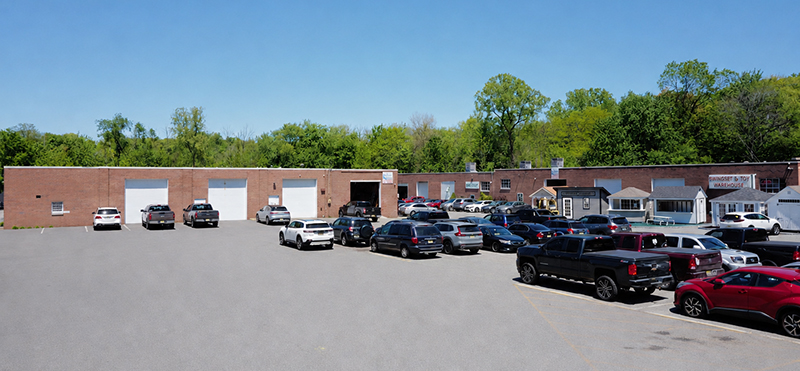
Upper Saddle River, NJ Devli Real Estate acquired 118 Rte. 17 North, a 67,000 s/f flex industrial/retail asset situated on 6.3 acres with highway frontage. The property is positioned along the Rte. 17 corridor, one of Northern New Jersey’s most active and supply-constrained commercial submarkets. The acquisition further strengthens the firm’s presence in Northern New Jersey. Terms of the transaction were not disclosed.
The property benefits from direct highway frontage and visibility along one of Bergen County’s most heavily trafficked retail corridors, providing tenants with exceptional access to dense consumer populations, regional transportation infrastructure, and the broader New York metropolitan area. The property’s flexible building configuration and low-coverage footprint accommodate a mix of industrial, retail, and service-oriented users—a profile that has become increasingly scarce in Bergen County given limited new development and a continuing shortage of well-located assets. With 19 drive-in doors and a divisible layout, the asset offers a versatile footprint serving the trade, service, and light industrial users that drive persistent demand in the corridor.
“This acquisition advances our strategy of pursuing infill industrial and flex assets in supply-constrained Northeast submarkets, where land scarcity, restrictive zoning, and proximity to dense consumer populations continue to support tenant demand and long-term rent growth,” said Christopher Devli, principal at Devli Real Estate. “The combination of low-coverage flex industrial space with premier retail frontage along Rte. 17 is exceedingly rare in Bergen County – and is precisely what drew us to this asset.”
This acquisition aligns with Devli Real Estate’s strategy of targeting high-quality industrial and flex assets in infill, high-barrier-to-entry markets supported by long-term demand drivers and limited competitive supply. Devli Real Estate remains actively focused on identifying additional investment opportunities throughout Northern New Jersey and continues to engage with owners, operators, and brokerage partners on assets that align with this investment strategy.
MORE FROM Brokerage

Adirondack Capital Partners arranges $45 million sale of West Chelsea development site to Toll Brothers
Manhattan, NY Adirondack Capital Partners (ACP) closed the $45 million sale of 126/128 Tenth Ave. and 456 W. 18th St. to Toll Brothers City Living. The acquisition forms part of a broader





Quick Hits

Columns and Thought Leadership

New York’s streets are full again, and the retail numbers prove it - by Noam Aziz
Walk down any New York block this year and you can feel it. The sidewalks are crowded, the storefronts are lit, and the energy that defines this city is back at full volume.

A guide to finding the right NYC property management company - by Sanjay Gandhi
Being a small to midsize landlord in NYC is an increasingly demanding endeavor. From navigating complex regulations, increased compliance demands to dealing with tenant issues and remediating violations. It is wise to enlist the assistance of a partner, a professional

Positive forecast for New York’s pro-housing push? - by Philip Butler
New York’s housing crisis remains a hot button topic despite growing consensus that varied and affordable housing is desperately needed statewide. Governor Hochul has recently introduced several initiatives to overcome N.Y.’s anti-housing

Hunt commercial real estate question and answer: Fortune 500 wisdom - by David Hunt
Yes, there are lessons to be learned from the largest companies in America when comes to managing your real estate. But the decision to buy or lease real estate may not be one of
.gif)