



News:
Brokerage
Posted: May 26, 2015
The Counselors of Real Estate discuss impact of legalized cannabis on real estate
Real estate executives from around the world listened to experts in matters concerning legalized cannabis during The Counselors of Real Estate professional association's recent midyear conference. Colorado is one of four states where both recreational and medical cannabis are legal, although several states are considering following suit. Counselors attended the session to learn how Denver real estate has been affected by the production, sale and consumption of the plant. An investor, an attorney and a broker explained the impact on real estate from a variety of professional perspectives.
Dwight Merriam, CRE, partner, Robinson & Cole, LLP, a lawyer and urban planner from Hartford, Conn. - where medical marijuana is legal - facilitated the candid program discussion among Chad Brue, owner, Brue Capital Partners; Robert Hoban, Esq., managing partner, Hoban and Feola; and Jason Thomas, real estate broker, Avalon Realty Advisors, all of Denver. The consensus: when cannabis is legalized, it's a highly complicated business.
"To get a license (to grow marijuana), you need to have a physical address," said Thomas. "That means real estate is the underpinning of the (marijuana) industry." According to Thomas, the many hurdles a landlord or property owner must navigate if they wish to sell or rent to a grower or distributor - and the difficulties such operators (as they are called) must endure - are indicative of the push-pull of legality being felt in the Denver market.
Simply put, it is legal to grow marijuana for medical purposes and recreational use in Colorado and it is legal to sell it in appropriately state licensed locations, but the Federal government considers it illegal to grow it, house it, sell it or use it. The panelists provided many examples of the complications such a dichotomy presents.
For example, Colorado law states that a dispensary must not be located within 1,000 feet of a school, measured as a pedestrian would walk the distance--but Federal law defines that same 1,000 feet to be "as the crow flies." These differing measurements could result in a Federally unlawful dispensary opening in a space that is legal by state standards. And families who rent in "marijuana friendly" apartments--so that a family member who is critically ill may be provided some relief by using marijuana grown from a few plants on the premises--are afforded no protections under Federal fair housing laws, said Hoban.
Chad Brue is a private investor who owns more than 389,000 square feet of properties dedicated to growing or housing legalized cannabis. He said out of state investors can own real estate used for marijuana-related business, but only Colorado residents can actually grow, distribute or sell marijuana. To obtain a license to grow or distribute marijuana, an operator must be able to state a physical address in the license application, and marijuana must be stated in the lease as the business to be conducted or the substance that will be used on the property. Yet, both are technically prohibited by Federal law and could result in foreclosure of the property.
Despite the uncertainty, Hoban says there has been rapid value appreciation on both residential and commercial real estate related to legalized cannabis.
Hoban said a benefit to Denver is that many old, vacant warehouse buildings are being used to house cannabis, making the plant a catalyst for a massive cleanup of Denver's warehouse district. Because cannabis needs a tremendous amount of light to grow, new power systems have been installed to the area to support commercial lighting requirements. Similarly, the need for heightened security has brought high numbers of security cameras to this once-derelict area, significantly improving outdoor and indoor safety.
Merriam noted that it is crucial for real estate practitioners to have not only an understanding but also expertise in the nuances of the legalized cannabis business when representing clients or becoming involved in any aspect of real estate undertakings involving cannabis.
Tags:
Brokerage
MORE FROM Brokerage
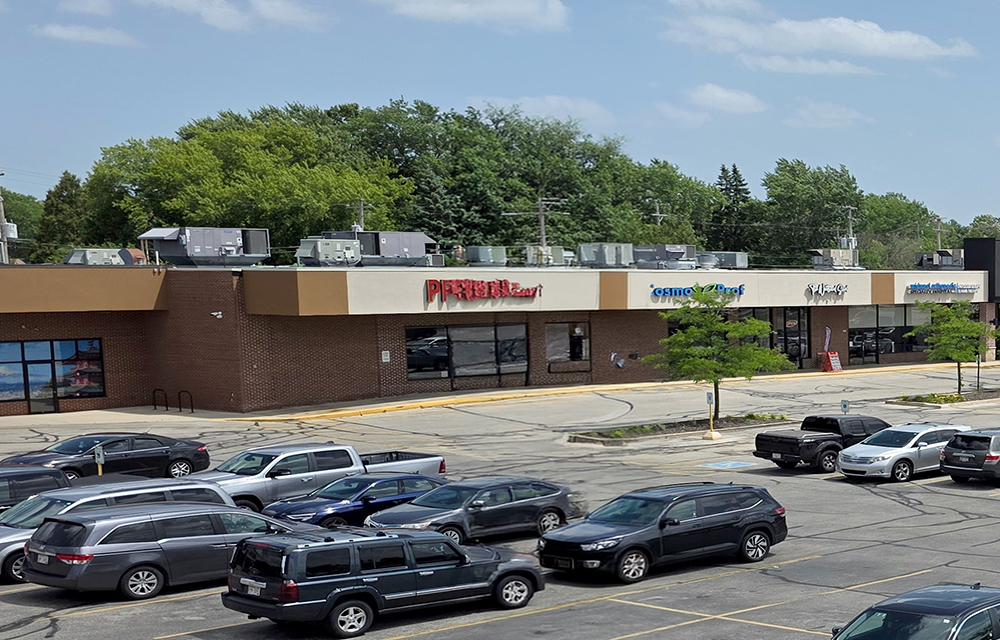
United Properties Corp. expands Wisconsin and Illinois retail presence adding 200,000 s/f
West Allis, WI United Properties Corp. completed two retail acquisitions totaling $27.4 million across Illinois and Wisconsin, adding 205,000 s/f of shopping center space to its portfolio


 (2).gif)

Columns and Thought Leadership

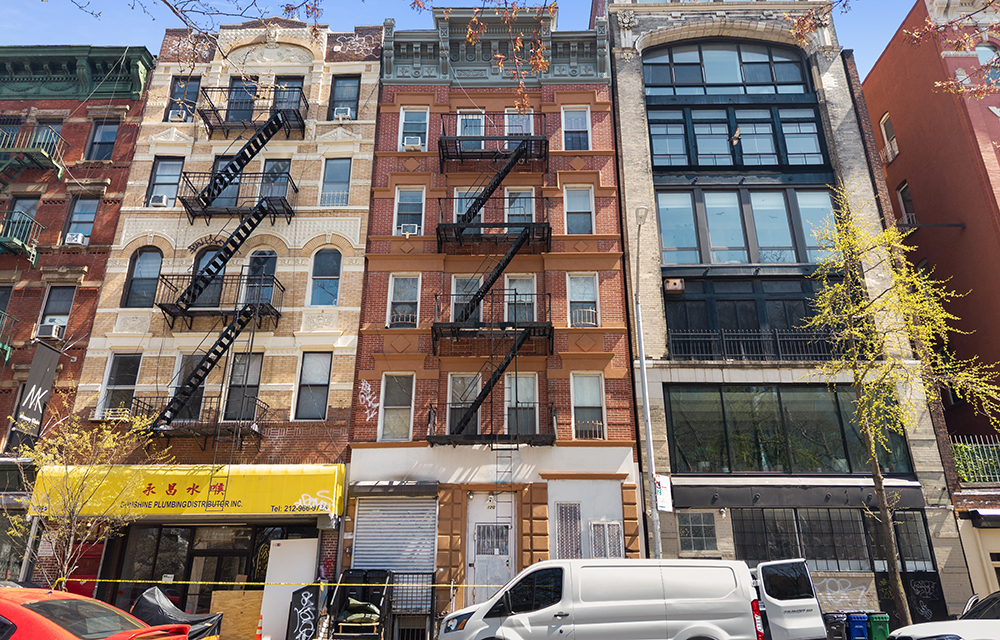
New York’s streets are full again, and the retail numbers prove it - by Noam Aziz
Walk down any New York block this year and you can feel it. The sidewalks are crowded, the storefronts are lit, and the energy that defines this city is back at full volume.

Positive forecast for New York’s pro-housing push? - by Philip Butler
New York’s housing crisis remains a hot button topic despite growing consensus that varied and affordable housing is desperately needed statewide. Governor Hochul has recently introduced several initiatives to overcome N.Y.’s anti-housing

A guide to finding the right NYC property management company - by Sanjay Gandhi
Being a small to midsize landlord in NYC is an increasingly demanding endeavor. From navigating complex regulations, increased compliance demands to dealing with tenant issues and remediating violations. It is wise to enlist the assistance of a partner, a professional

Hunt commercial real estate question and answer: Fortune 500 wisdom - by David Hunt
Yes, there are lessons to be learned from the largest companies in America when comes to managing your real estate. But the decision to buy or lease real estate may not be one of
.gif)