



News:
Brokerage
Posted: June 13, 2011
Savills places $66 million in permanent financing for three medical office bldgs.
Savills has arranged $66 million in permanent financing for three new medical office buildings that are located in Michigan and Louisiana and total 294,000 s/f.
Two of the properties are located in Michigan, including a 100,000 s/f building on the campus of Beaumont Hospital in Troy, and a 95,000 s/f health and wellness center in Rochester Hills. The third property is a 99,000 s/f medical office building located on the new replacement campus of Our Lady of Lourdes Regional Medical Center in Lafayette, Louisiana. The properties are 95% leased. The transaction refinanced in-place construction loans for each property.Savills arranged permanent, fixed-rate financing through GE Capital, Healthcare Financial Services.
"Delivering permanent financing for healthcare real estate requires a comprehensive understanding of both the capital markets environment and the unique characteristics of this specialized real estate asset class," said Jeffrey Cooper, executive managing director of Savills and head of the company's North American healthcare real estate investment banking practice. "This refinancing is a good illustration of Savills' ability to meet the distinctive capital requirements of our healthcare clientele."
"On-campus medical office buildings remain in favor among a wide variety of debt capital sources because of their positive demand drivers and stable tenancy," said Philip Mahler, managing director of Savills' healthcare practice. "The response from the market was tremendous on this assignment. Eighteen lenders submitted term sheets for the properties, including most of the active conduits, life companies, debt funds, mortgage REITS and specialty finance companies."
The developer of the three properties is Landmark Healthcare Companies LLC of Milwaukee, one of the country's leading private developers of medical real estate.
Savills' healthcare unit has advised on more than $3 billion in healthcare real estate transactions for developers, public and private REITs, pension funds and private equity investors affiliated with dozens of the country's top healthcare systems.
Tags:
Brokerage
MORE FROM Brokerage
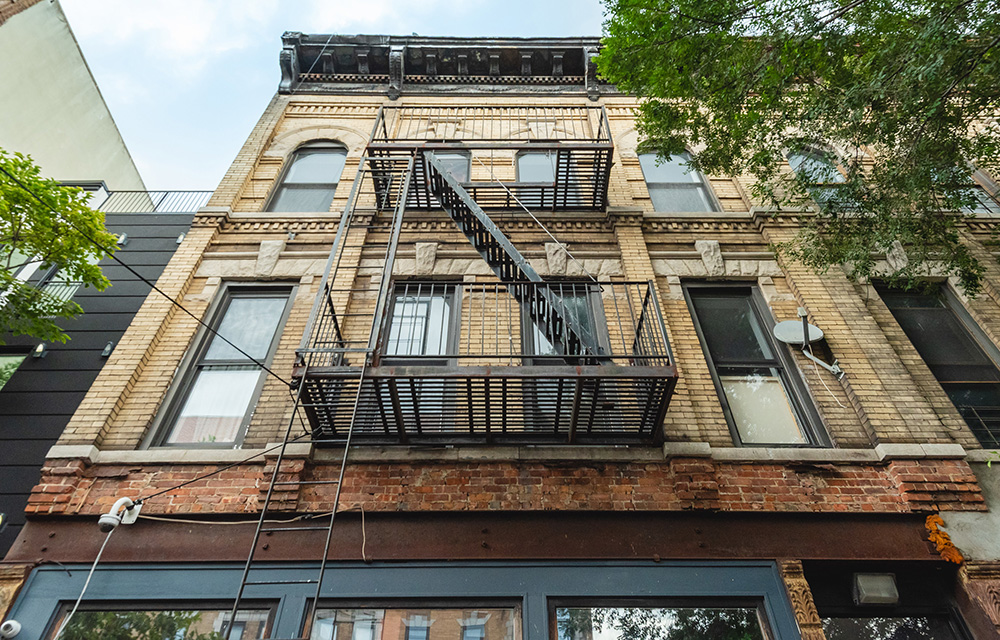
Marcus & Millichap brokers $2.8 million sale of free-market mixed-use property in Brooklyn
Brooklyn, NY Marcus & Millichap brokered the sale of 733 Dekalb Ave., a fully free-market multifamily and retail property in the Bed-Stuy neighborhood. The asset sold for $2.8 million.




Quick Hits
 (2).gif)

Columns and Thought Leadership

New York’s streets are full again, and the retail numbers prove it - by Noam Aziz
Walk down any New York block this year and you can feel it. The sidewalks are crowded, the storefronts are lit, and the energy that defines this city is back at full volume.

Positive forecast for New York’s pro-housing push? - by Philip Butler
New York’s housing crisis remains a hot button topic despite growing consensus that varied and affordable housing is desperately needed statewide. Governor Hochul has recently introduced several initiatives to overcome N.Y.’s anti-housing

A guide to finding the right NYC property management company - by Sanjay Gandhi
Being a small to midsize landlord in NYC is an increasingly demanding endeavor. From navigating complex regulations, increased compliance demands to dealing with tenant issues and remediating violations. It is wise to enlist the assistance of a partner, a professional

Hunt commercial real estate question and answer: Fortune 500 wisdom - by David Hunt
Yes, there are lessons to be learned from the largest companies in America when comes to managing your real estate. But the decision to buy or lease real estate may not be one of
.gif)
September Promotion
