

News: Brokerage

Regency Centers acquires 400,000 s/f Long Island portfolio from Serota Properties – $130 million sale

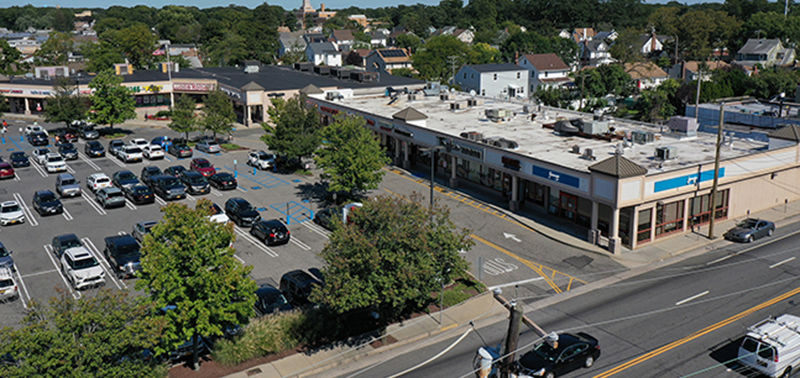
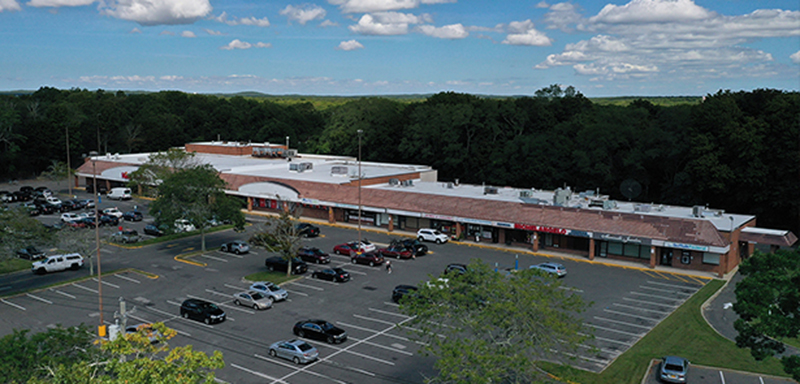
Eastport Plaza, 5 Eastport Manor Road - Eastport, NY

Valley Stream, NY Regency Centers Corp., acquired a four-property portfolio on Long Island from Serota Properties. Combined, these centers represent 400,000 s/f of retail for a total purchase price of $130 million and 100% ownership.

The properties acquired by Regency Centers include:
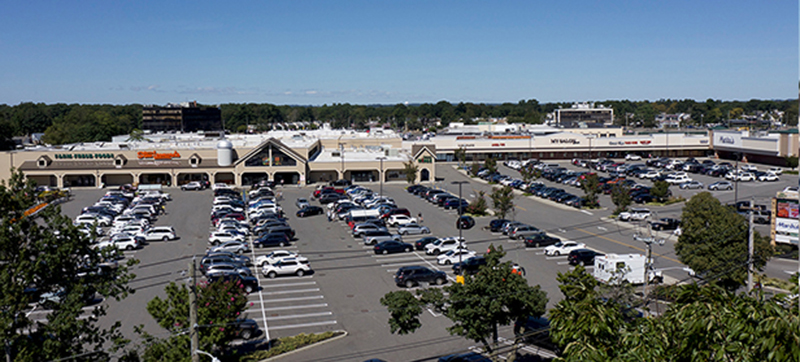
  • Valley Stream Plaza, 207-225 Merrick Rd. in Valley Stream, a 99,000 s/f center anchored by King Kullen, currently 98% leased.
  • East Meadow Mall, 1897 Front St. in East Meadow, a 140,000 s/f center anchored by Stew Leonard’s and Marshalls, currently 92% leased.
  • Wading River Commons, 6225-6277 Rte. 25A in Wading River, anchored by King Kullen and 82% leased.
  • Eastport Plaza, 5 Eastport Manor Rd. in Eastport, is anchored by King Kullen and 97% leased.
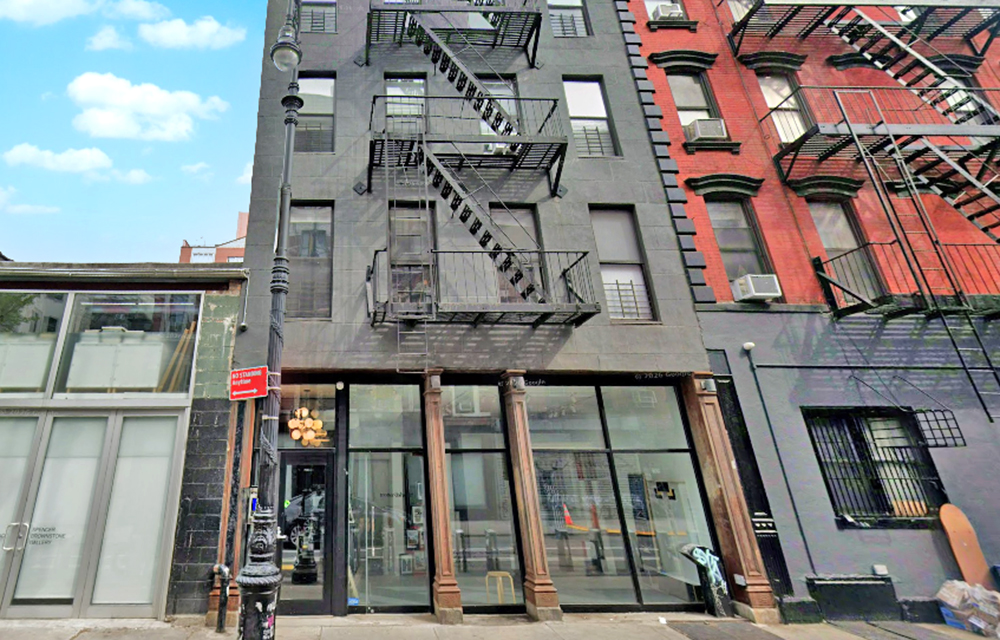
Valley Stream Plaza, 207-225 Merrick Rd., Valley Stream


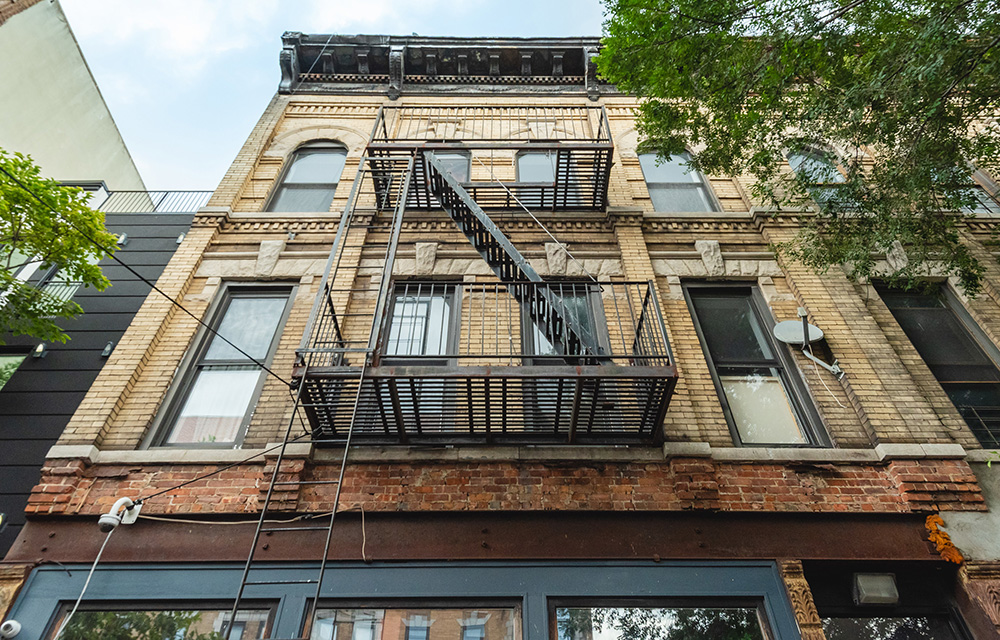
East Meadow Mall, 1897 Front Street, East Meadow


Regency was represented by Jack deVilliers, Barry Argalas, and Greg Kalnit of Regency Centers. Serota Properties was represented by Geoff Serota. Aaron Malinsky, partner, of BTF Capital, and Kenneth Schuckman, president of Schuckman Realty, worked alongside Regency Centers providing consulting services on both sides of the transaction.

These centers will be exclusively leased by Schuckman Realty on behalf of Regency Centers, bringing their total leasing representation for Regency to six properties.
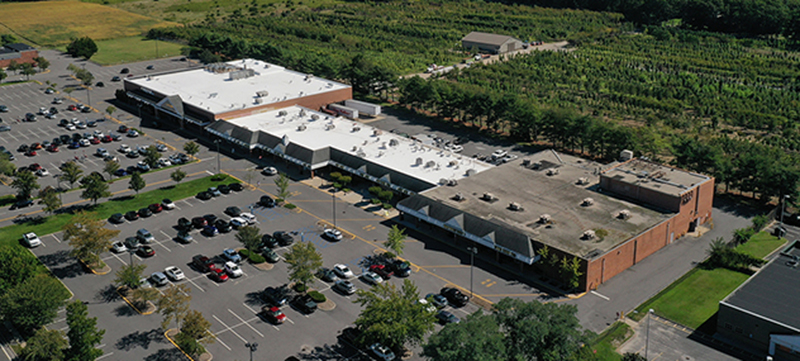
Wading River Commons, 6225-6277 Rte. 25A - Wading River, NY

“These are exactly the kinds of opportunities we seek out,” said Jack deVilliers, senior vice president and market officer for Regency Centers. “This portfolio is a perfect addition to our expanding footprint in the market, and we look forward to bringing our time-tested expertise to these locations. Serota Properties has been fantastic to work with, and are well-deserving of their reputation in the region.”

Regency now owns and operates 30 properties in the greater New York-New Jersey-Long Island trade area.

“The Long Island trade area has been a recession-resistant market proven to withstand the test of time,” said Kenneth Schuckman of Schuckman Realty. “The last couple of years have demonstrated the importance of centers like these, as well as their resilient connection to the surrounding communities.”

 

READ ON THE GO
DIGITAL EDITIONS
Subscribe
Columns and Thought Leadership
The death of the generic offering memorandum: What buyers expect in 2025 - by Kimberly Zar Bloorian

The death of the generic offering memorandum: What buyers expect in 2025 - by Kimberly Zar Bloorian

There was a time when an offering memorandum (OM) was pretty bare bones, some photos, a few bullet points on income, and a rent roll thrown in at the back. That used to get the job done. Not anymore. In 2025, buyers are sharper, faster, and more selective. They’re looking
A fresh start - by Shallini Mehra and Amit Doshi

A fresh start - by Shallini Mehra and Amit Doshi

For the past several years, the New York City multifamily housing market has been defined by disruption. The combined impact of the HSTPA rent laws and a sharply higher interest rate environment has fundamentally reduced
The anticipated effect of Basel III and ISO 20022 implementation on commercial real estate - by Michael Zysman

The anticipated effect of Basel III and ISO 20022 implementation on commercial real estate - by Michael Zysman

July 1, 2025 is the deadline for US banks to begin to adopt Basel III banking standards and July 14, 2025 is the deadline for U.S. banks to adopt ISO 20022 messaging standards. Both will have a significant effect on the banking and commercial real estate (CRE) finance sectors.
Tri-state capital  migrates nationally amid  regulation pressure - by Reese Weaver

Tri-state capital migrates nationally amid regulation pressure - by Reese Weaver

New York tri-state multifamily investors are increasingly reallocating capital to less-regulated markets across the U.S. as rent control and legislative risk erode returns at home. With over 60% of New York City’s rental housing stock classified as rent-stabilized, the traditional value-add model — buying under-performing buildings,