



News:
Brokerage
Posted: October 1, 2007
REBNY hosts Inside Secrets of Top Brokers: a panel discussion
The Real Estate Board of New York (REBNY), the city's leading real estate trade association with more than 12,000 members, recently hosted Inside Secrets of Top Brokers, a panel discussion for its residential members on Tuesday, September 25 from 5:30 to 7:00 p.m. at Chase Bank, 277 Park Avenue. The 2007-2008 year theme of the Inside Secrets of Top Brokers seminars was business strategy, with this first seminar focusing on the group dynamics involved in putting together a business organization.
Sponsored by the New York Post and Chase, the panel was moderated by Ruth McCoy, executive vice president, managing director of sales with Brown Harris Stevens. She also serves as a director of residential sales for the firm's East Side offices. Speakers included:
* Dorothy Arnstein and Ileen Schonfeld of Brown Harris Stevens. Together they have sold hundreds of millions of dollars worth of Manhattan real estate.
* Melissa Ryan Kaiser and Laurie Silverman of Stribling & Associates. The pair has been partners in all their transactions since they began their real estate careers.
* Alex Nicholas and Gabriella Winter of The Corcoran Group. Both are senior vice presidents at the firm and work in Corcoran's Village office, making them experts in the downtown market.
* Louise Phillips Forbes of Halstead Property, LLC. She serves as an executive vice president and has more than $1 billion in total sales.
The Real Estate Board of New York is the city's leading real estate trade association with more than 12,000 members. REBNY represents major commercial and residential property owners and builders, brokers and managers, banks, financial service companies, utilities, attorneys, architects, contractors and other individuals and institutions professionally interested in the city'sreal estate. REBNY is involved in crucial municipal matters including tax policy, city planning and zoning, rental conditions, land use policy, building codes and legislation. In addition, REBNY publishes reports providing indicators of market prices for both the residential and commercial sectors.
Tags:
Brokerage
MORE FROM Brokerage
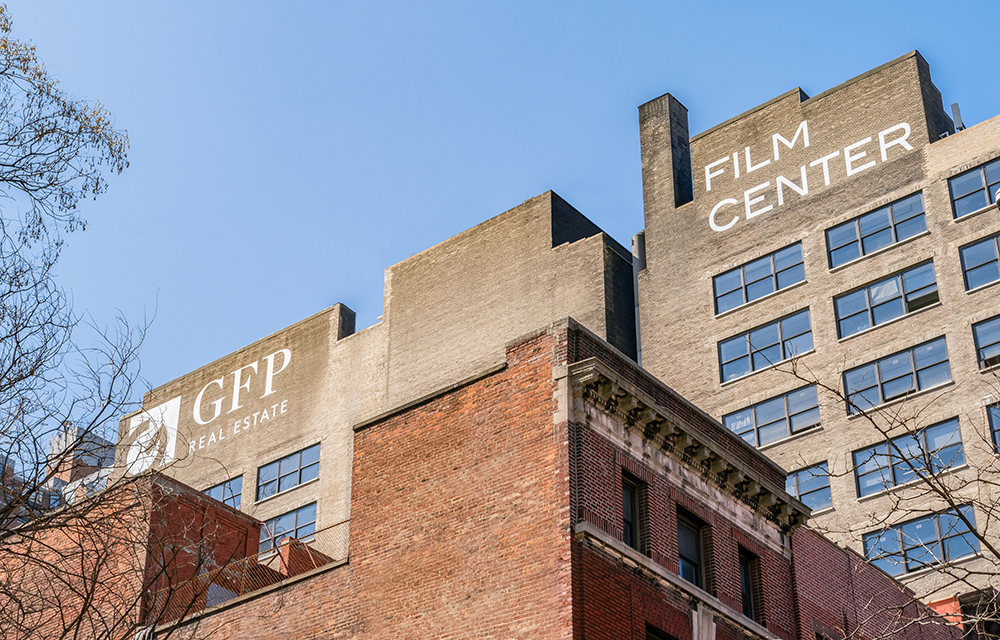
GFP Real Estate signs 11,078 s/f of leasing activity at 630 Ninth Ave.
Manhattan, NY GFP Real Estate closed three office leasing transactions totaling 11,078 s/f at 630 Ninth Ave. in Midtown, including a new lease with Irish Arts Center and extensions by existing




 (2).gif)

Columns and Thought Leadership

New York’s streets are full again, and the retail numbers prove it - by Noam Aziz
Walk down any New York block this year and you can feel it. The sidewalks are crowded, the storefronts are lit, and the energy that defines this city is back at full volume.

A guide to finding the right NYC property management company - by Sanjay Gandhi
Being a small to midsize landlord in NYC is an increasingly demanding endeavor. From navigating complex regulations, increased compliance demands to dealing with tenant issues and remediating violations. It is wise to enlist the assistance of a partner, a professional

Positive forecast for New York’s pro-housing push? - by Philip Butler
New York’s housing crisis remains a hot button topic despite growing consensus that varied and affordable housing is desperately needed statewide. Governor Hochul has recently introduced several initiatives to overcome N.Y.’s anti-housing

Hunt commercial real estate question and answer: Fortune 500 wisdom - by David Hunt
Yes, there are lessons to be learned from the largest companies in America when comes to managing your real estate. But the decision to buy or lease real estate may not be one of
.gif)
September Promotion
