



News:
Brokerage
Posted: October 1, 2007
Renewal of business incentive programs help attract new companies
According to The Alliance for Downtown New York, the Lower Manhattan Energy Program, and the Industrial and Commercial Incentive Program, two vitally important business incentive programs that were major catalysts for development in the area, have been extended by the NYS Legislature. A three-year extension of the Commercial Revitalization Program, which reduces real estate taxes in pre-1975 buildings in the area for five years by up to $2.50 per s/f, was approved by the NYS Legislature in March.
The availability of business incentive programs helped attract hundreds of new companies and thousands of workers downtown and restore the number of businesses currently located in the area to its pre-Sept. 11, 2001 level. Thanks in large part to these incentive programs, Lower Manhattan is now one of the strongest commercial real estate markets in the country and home to an ever-diversifying economy.
A recent survey of the area's commercial real estate market by the Downtown Alliance determined that:
* The area is the nation's fourth-largest business district, with a daily population of 310,000 office workers. More than 356,000 total employees are expected by 2012.
* The area boasts the nation's third lowest downtown office vacancy rate at 6.7%, down from 7.2% last quarter and 11.2% a year ago.
* The real estate market saw nearly 2.26 million s/f of leasing activity, and over $2.3 billion worth of property has changed hands since the beginning of 2007.
* Since July 2005, 149 firms have moved to the area from Midtown and other areas of the metropolitan area, filling 3.5 million s/f.
Business incentives currently available to companies considering moving to or expanding in the area include:
* Real Estate Tax Abatement: A $2.50 per s/f real estate tax abatement for up to five years for commercial tenants that locate in non-residential pre-1975 buildings south of Murray St. It expires March 31, 2010.
* Commercial Rent Tax Special Reduction: Offers an exemption on commercial rent tax for retailers and commercial businesses with an annual rent over $200,000. It expires June 30, 2009.
* Industrial and Commercial Incentive Program: Provides a partial exemption from or abatement of property taxes for up to 25 years for eligible industrial and commercial buildings south of Murray Street that are built, modernized, rehabilitated, expanded or otherwise physically improved. It expires June 30, 2008.
* Lower Manhattan Energy Program: Can reduce energy costs by up to 45% for 12 years for eligible buildings and commercial tenants in those buildings. It expires June 30, 2010.
* Lower Manhattan Relocation Employment Assistance Program: Provides a $3,000 tax credit per employee, per year, to businesses that relocate to Lower Manhattan from outside the five boroughs.
A full list of incentives, and an incentives calculator that can help companies determine how much they can save, is available at www.downtownny.com/dobusiness/assistance/incentives.
Tags:
Brokerage
MORE FROM Brokerage
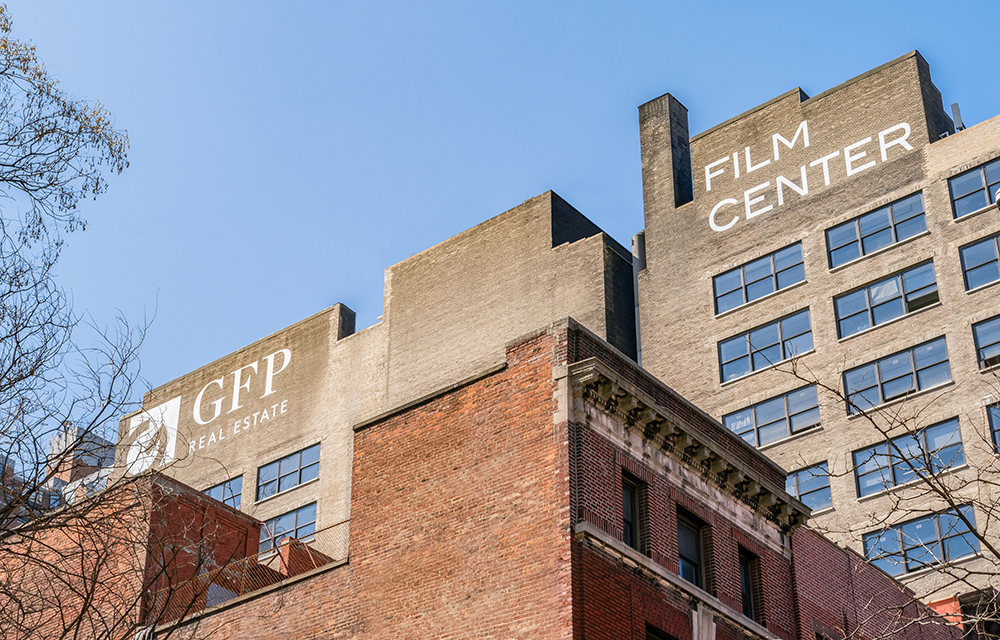
GFP Real Estate signs 11,078 s/f of leasing activity at 630 Ninth Ave.
Manhattan, NY GFP Real Estate closed three office leasing transactions totaling 11,078 s/f at 630 Ninth Ave. in Midtown, including a new lease with Irish Arts Center and extensions by existing



 (2).gif)

Columns and Thought Leadership

Positive forecast for New York’s pro-housing push? - by Philip Butler
New York’s housing crisis remains a hot button topic despite growing consensus that varied and affordable housing is desperately needed statewide. Governor Hochul has recently introduced several initiatives to overcome N.Y.’s anti-housing

Hunt commercial real estate question and answer: Fortune 500 wisdom - by David Hunt
Yes, there are lessons to be learned from the largest companies in America when comes to managing your real estate. But the decision to buy or lease real estate may not be one of

New York’s streets are full again, and the retail numbers prove it - by Noam Aziz
Walk down any New York block this year and you can feel it. The sidewalks are crowded, the storefronts are lit, and the energy that defines this city is back at full volume.

A guide to finding the right NYC property management company - by Sanjay Gandhi
Being a small to midsize landlord in NYC is an increasingly demanding endeavor. From navigating complex regulations, increased compliance demands to dealing with tenant issues and remediating violations. It is wise to enlist the assistance of a partner, a professional
.gif)
September Promotion
