



News:
Brokerage
Posted: June 1, 2021
Quinlan Development Group breaks ground on 17-story 230 Classon Ave.
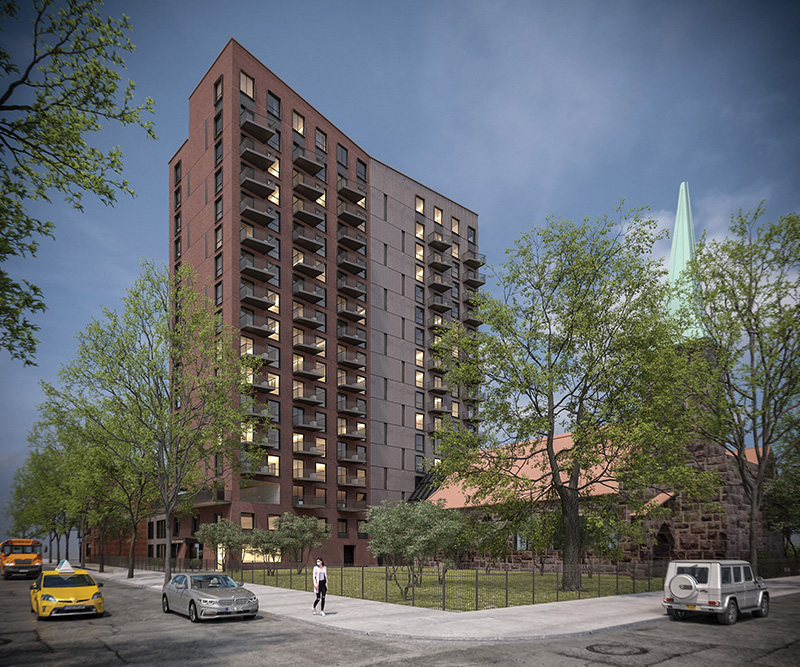
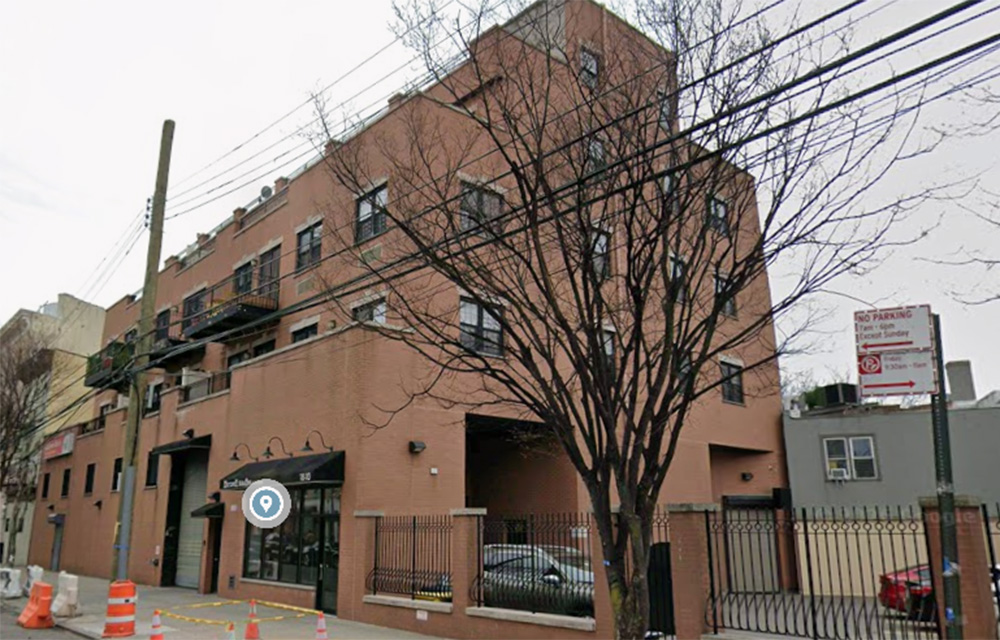
Brooklyn, NY Quinlan Development Group, a privately-owned real estate investment and development firm, has broken ground on its newest project at 230 Classon Ave., on the corner of Willoughby Ave. in Clinton Hill. Located on a parcel owned by St. Mary’s Church, the 17-story, 143,000 s/f mixed-income rental will feature 138 one- and two-bedroom residences, all with private balconies, and some with yards. In addition, 30% of the apartments will be offered as affordable income rentals.
Designed by DXA Studio, with a focus on highly efficient layouts, plans include 8,700 s/f of outdoor space with such features as a private street-level park, landscaped outdoor space on the third floor, and a furnished roof deck offering magnificent 360° views. 4,200 s/f has been allocated to indoor amenities, including a study lounge/business center, bike room, tenant storage areas, dog run, fitness center, and recreational lounge with pool table, television, and entertainment kitchen. In addition, there will be on-site parking with 98 spaces.
“Despite the challenges of the last year, our belief in Brooklyn and the rest of New York City remains strong,” said Tyler Wilkins, partner of Quinlan Development. “It is during turbulent times when we become most active. We are confident in New York City’s resiliency and persistent need for new housing.”
The lender for the project is CIT Group Inc., with Hines Realty Income Fund, providing $35.7 million in financing. Gideon Gil and Dan O’Brien from Cushman & Wakefield provided advisory services throughout the acquisition and financing processes. The project is expected to be brought to market in spring 2023.
Founded in 1971, Quinlan Development Group is a private company specializing in value-added real estate investment and development. Its strategy is to focus on locations with strong growth potential and in opportunities where value is realized through creative and experienced management. Quinlan Development Group has been involved in over three and a half million square feet of real estate investments and new developments and currently owns 27 properties. 230 Classon will be this Manhattan-based developer’s fifth Brooklyn project.
Tags:
Brokerage
MORE FROM Brokerage

Lee & Associates NYC arranges 14,000 s/f Midtown office lease for Julie Vos
Manhattan, NY According to Lee & Associates NYC, fashion jewelry brand Julie Vos has signed a 14,000 s/f office lease at 218-232 W. 40th St. in Midtown.


Quick Hits
 (2).gif)

Columns and Thought Leadership

A guide to finding the right NYC property management company - by Sanjay Gandhi
Being a small to midsize landlord in NYC is an increasingly demanding endeavor. From navigating complex regulations, increased compliance demands to dealing with tenant issues and remediating violations. It is wise to enlist the assistance of a partner, a professional

Positive forecast for New York’s pro-housing push? - by Philip Butler
New York’s housing crisis remains a hot button topic despite growing consensus that varied and affordable housing is desperately needed statewide. Governor Hochul has recently introduced several initiatives to overcome N.Y.’s anti-housing

Hunt commercial real estate question and answer: Fortune 500 wisdom - by David Hunt
Yes, there are lessons to be learned from the largest companies in America when comes to managing your real estate. But the decision to buy or lease real estate may not be one of

New York’s streets are full again, and the retail numbers prove it - by Noam Aziz
Walk down any New York block this year and you can feel it. The sidewalks are crowded, the storefronts are lit, and the energy that defines this city is back at full volume.
.gif)
September Promotion
