



News:
Brokerage
Posted: August 18, 2020
Public Relations: Preparing for the new normal - by Harry Zlokower

As New York slowly transitions from crisis to what experts believe will be the new normal, some experts are anticipating significantly more remote work, re-shaping of offices and accompanying behavior to include sanitizing, temperature checks, social distancing, and suburban relocation by companies. Corporate real estate experts and tenant rep brokers are forecasting heavily tenant-driven markets in metropolitan areas with millions of s/f of office space becoming available.
While it is true that office markets ebb and flow usually in tune with local and national economies and social trends, never in our time have we seen such impact as COVID-19 has inflicted. How lasting will be the impact remains to be seen, but for the foreseeable future real estate professionals must seriously re-think how to communicate their services and brand to the marketplace.
If you are a broker or owner, it is time to design your marketing so that its strategies and tactics achieve your objectives for the fourth quarter and next year and fit the mood and needs of this market. Websites, media stories, interviews, and social media campaigns, while upbeat and optimistic, should be COVID sensitive and geared toward problem solving and economic solutions. Your tenants and buyers are going to want to know how they will be able to manage in this new sensitive environment and how you—the developer, owner, broker—plan to compete for their business.
In making your plans, start with the basics by re-evaluating your business cards, website, social media accounts, and other forms of electronic or postal outreach you have been employing. Determine your audiences–whom you want to reach—and your messaging—advice to tenants and buyers on how to cope during these difficult times and why these audiences should consider entering a business relationship with you and your organization.
Harry Zlokower is founder of Zlokower Company Public Relations, New York, N.Y.
Tags:
Brokerage
MORE FROM Brokerage
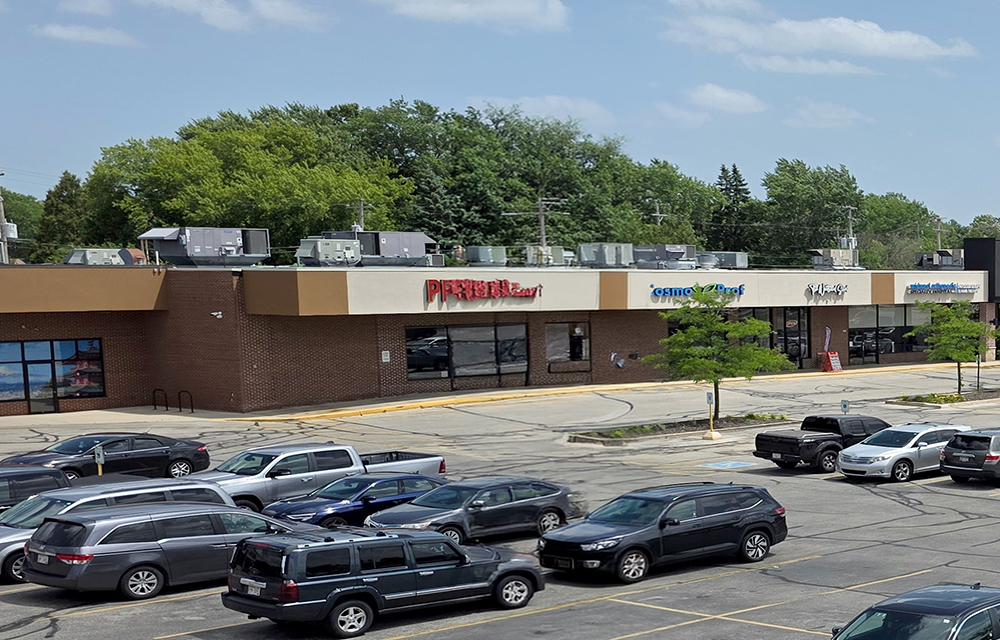
United Properties Corp. expands Wisconsin and Illinois retail presence adding 200,000 s/f
West Allis, WI United Properties Corp. completed two retail acquisitions totaling $27.4 million across Illinois and Wisconsin, adding 205,000 s/f of shopping center space to its portfolio


Quick Hits
 (2).gif)

Columns and Thought Leadership

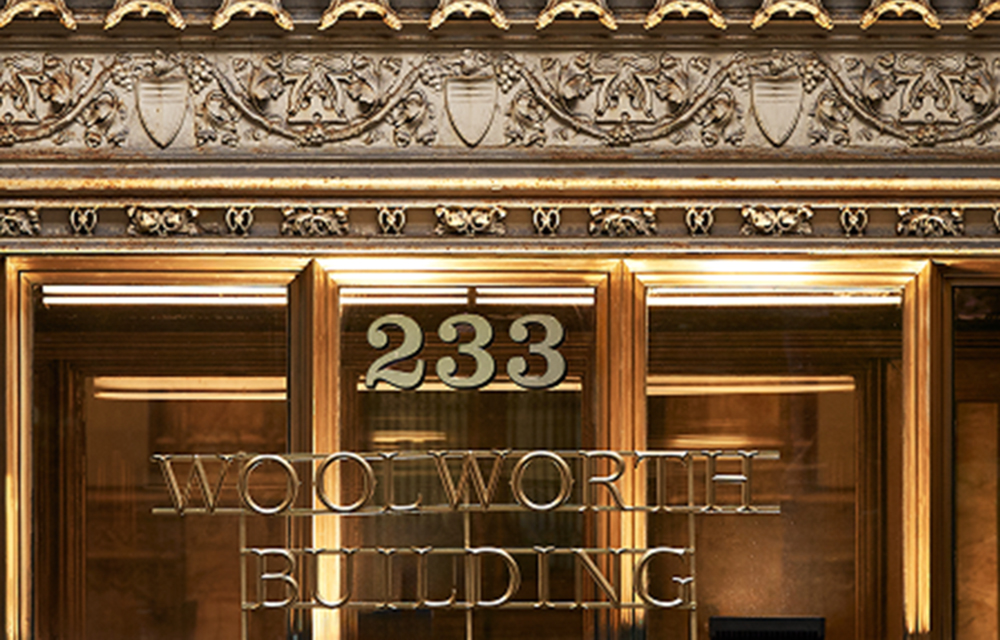
New York’s streets are full again, and the retail numbers prove it - by Noam Aziz
Walk down any New York block this year and you can feel it. The sidewalks are crowded, the storefronts are lit, and the energy that defines this city is back at full volume.

Hunt commercial real estate question and answer: Fortune 500 wisdom - by David Hunt
Yes, there are lessons to be learned from the largest companies in America when comes to managing your real estate. But the decision to buy or lease real estate may not be one of

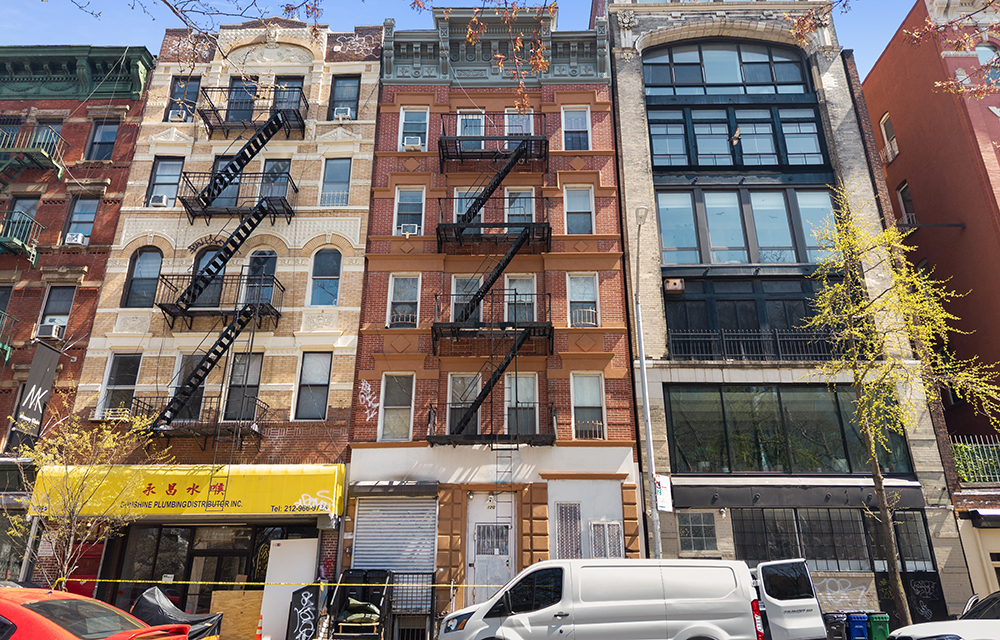
Positive forecast for New York’s pro-housing push? - by Philip Butler
New York’s housing crisis remains a hot button topic despite growing consensus that varied and affordable housing is desperately needed statewide. Governor Hochul has recently introduced several initiatives to overcome N.Y.’s anti-housing

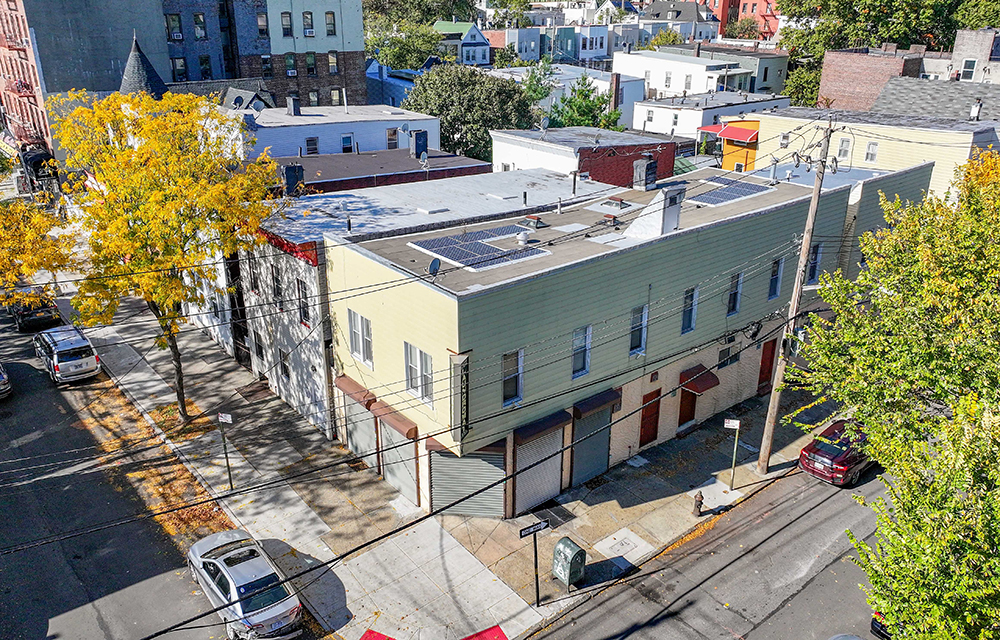
A guide to finding the right NYC property management company - by Sanjay Gandhi
Being a small to midsize landlord in NYC is an increasingly demanding endeavor. From navigating complex regulations, increased compliance demands to dealing with tenant issues and remediating violations. It is wise to enlist the assistance of a partner, a professional
.gif)