



News:
Brokerage
Posted: September 24, 2024
Muroff Hospitality Group complete $15.5 million sale of Fire Island Pines
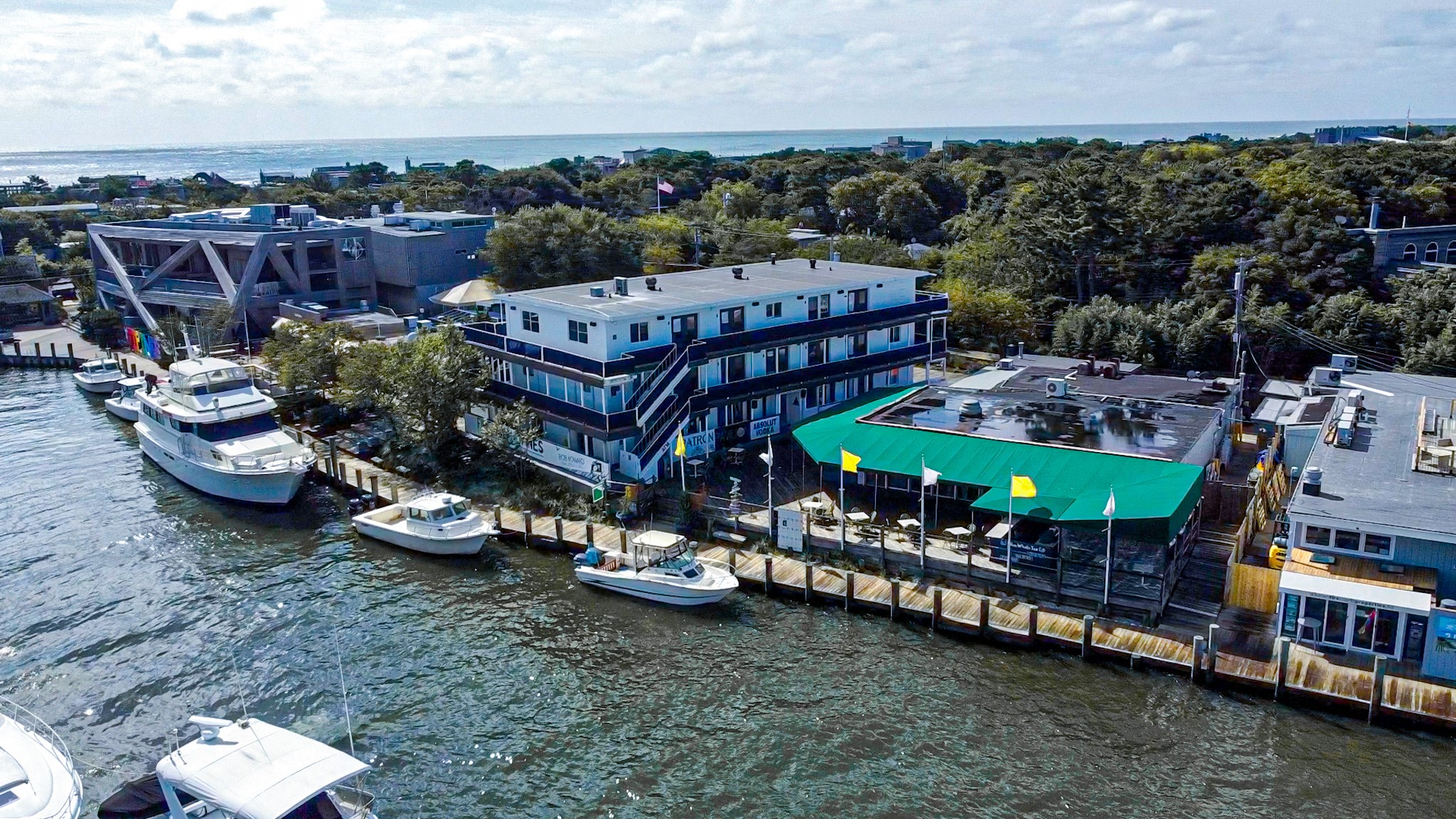
Fire Island, NY Muroff Hospitality Group has completed the $15.5 million sale of the Harbor facing properties. Located on southern Long Island, 60 miles east of Manhattan, the property stretches along 320 feet of the main pedestrian promenade to the residential and beach access areas in the only commercial portion of the Pines.
The businesses include The Blue Whale, the Hotel, the Pool Deck, the Canteen, the Gym, the Pavilion and various commercial spaces; plus, a 3-bedroom house and a 16- bedroom house to accommodate employee housing. This transaction represents approximately 75% of the commercial property in Fire Island Pines, a vehicle free, waterfront resort complex located 90 minutes from New York City. The Pines is the location of the most expensive real estate on Fire Island.
This transaction caps a year long process of marketing and negotiations and ensures that the resort’s continuity as a safe place for the LBGTQ+ community. The Sellers were Outpost Pines, LLC and Ruff Picketty LLC. The Resort has long been managed by PJ MacAteer, the president of Outpost Pines LLC and owner of Sip N Twirl, Pines Bistro and Pines Pizza which are not part of this transaction.
The buyer is Fire Island Pines Holdings LLC, a company owned and controlled by Tristan Schukraft, an entrepreneur who owns a number of businesses, including: Mistr: A telemedicine app that offers access to Pre-Exposure Prophylaxis (PrEP); The Abbey and Chapel LGBTQ+ nightclubs in West Hollywood, CA.; The Tryst Hotel in Puerto Rico, The Tryst Hotel in Puerto Vallarta; Circo nightclub in Puerto Rico. Mitch Muroff of Muroff Hospitality Group represented the Sellers and secured the Buyer in this exclusive listing. The transaction closed on September 24, 2024.
Tags:
Brokerage
MORE FROM Brokerage

United Properties Corp. expands Wisconsin and Illinois retail presence adding 200,000 s/f
West Allis, WI United Properties Corp. completed two retail acquisitions totaling $27.4 million across Illinois and Wisconsin, adding 205,000 s/f of shopping center space to its portfolio





Columns and Thought Leadership

New York’s streets are full again, and the retail numbers prove it - by Noam Aziz
Walk down any New York block this year and you can feel it. The sidewalks are crowded, the storefronts are lit, and the energy that defines this city is back at full volume.

Positive forecast for New York’s pro-housing push? - by Philip Butler
New York’s housing crisis remains a hot button topic despite growing consensus that varied and affordable housing is desperately needed statewide. Governor Hochul has recently introduced several initiatives to overcome N.Y.’s anti-housing

Hunt commercial real estate question and answer: Fortune 500 wisdom - by David Hunt
Yes, there are lessons to be learned from the largest companies in America when comes to managing your real estate. But the decision to buy or lease real estate may not be one of

A guide to finding the right NYC property management company - by Sanjay Gandhi
Being a small to midsize landlord in NYC is an increasingly demanding endeavor. From navigating complex regulations, increased compliance demands to dealing with tenant issues and remediating violations. It is wise to enlist the assistance of a partner, a professional
.gif)