



News:
Brokerage
Posted: March 7, 2011
Mayor Bloomberg launches the use of QR Codes on construction projects; Provides instant access on Smartphones to property/project data
Mayor Michael Bloomberg, deputy mayor for operations Stephen Goldsmith and buildings commissioner Robert LiMandri launched the use of Quick Response (QR) codes on all Department of Buildings permits, providing New Yorkers with instant access to info related to buildings and construction sites throughout the city. Similar to how a barcode provides information through a scanner, QR codes provide smartphone users with immediate access to data by scanning the displayed code with their device. By downloading a free application on a smartphone, New Yorkers will be able to scan the QR code of any construction permit and instantly learn details about the ongoing project - including the approved scope of work, identities of the property owner and job applicant, other approved projects associated with the permit, the complaints and violations related to the location and user will have the ability to click a link that will initiate a phone call to 311 to make a complaint. The mayor launched the start of the program on Broad St. in Lower Manhattan, where he demonstrated the technology at an active construction site.
"New Yorkers expect to be able to gather information instantly, and the use of QR codes will allow them to get all information about construction work while standing on the sidewalk," said Bloomberg. "The QR codes will provide more efficient access to government data, help the public know what's being built in their neighborhoods, and it will allow people to make more informed decisions about things from renting an apartment to making a complaint. This is another example of how we are using the latest advances in technology to increase accountability and provide more information to the public."
"New Yorkers naturally want to know as much as possible about construction work that affects their neighborhoods," said Goldsmith. "This is an example of how the latest technology can be a valuable asset in keeping the public informed."
"We are providing New Yorkers with the tools they need to learn about any construction project - in seconds," said LiMandri. "Construction is vital to the growth of this city, but when that work impacts our quality of life, residents should be able to quickly learn who is responsible and what work has been approved. By scanning a QR code on a permit, New Yorkers can easily learn important details about construction work in their neighborhood and if that work is safe and lawful. I encourage all New Yorkers to download a QR app and scan a permit today."
After scanning a QR code on a Department of Buildings' permit, users will be brought to mobile version of the Department's Buildings Information System, which provides permit and violation history for every building in the city. Users will be taken directly to the full project information screen for the individual project they want to review. Construction permits will have QR codes added to them as they are replaced at the 975,000 building and construction sites in the city and all permits are expected to have QR codes by roughly 2013. Smartphone users can download a free QR reader by going to the app store on their device and searching for "QR" - a variety of free applications are available.
QR codes also will appear on after-hours variances and Place of Assembly certificates of operation. In 2010, the Department of Buildings issued more than 179,000 construction permits and 33,000 after-hours variances, which display basic information about projects and are required to be posted at job sites during construction operations. The department issues permits for work involving boilers, concrete, demolition, cranes, electrical, excavations, general construction, plumbing, scaffolding and sidewalk sheds. Last year, 4,520 Place of Assembly certificates of operation were issued and/or renewed, and these documents provide basic details about how a particular space can be used.
By scanning the QR code on these documents, New Yorkers will learn more information about who is performing this work, including the addresses and telephone numbers of property owners and job applicants, which is typically a licensed architect or engineer or general contractor on the project.
The city currently uses QR codes on Department of Sanitation vehicles, which takes users to a Public Service Announcement video on recycling and on the Staten Island Ferry, which takes users to a 26 minute video - roughly the length of the ferry ride - on interesting attractions and activities in the city.
The Department of Buildings has been working to make the construction process more transparent, improve safety and improve quality of life. Since 2002, detailed permit and property information about the city's 975,000 buildings has been made available on www.nyc.gov, and those who file complaints through 311 can go online to monitor the status of inspections in response to those complaints. In 2009, the Department launched the Development Challenge Process, which enables the public to view online diagrams of proposed buildings before work begins. Residents also can submit zoning challenges, and after those challenges are reviewed, Department responses are posted on the website. New York was the first city in the country to post such diagrams online before construction begins.
Tags:
Brokerage
MORE FROM Brokerage
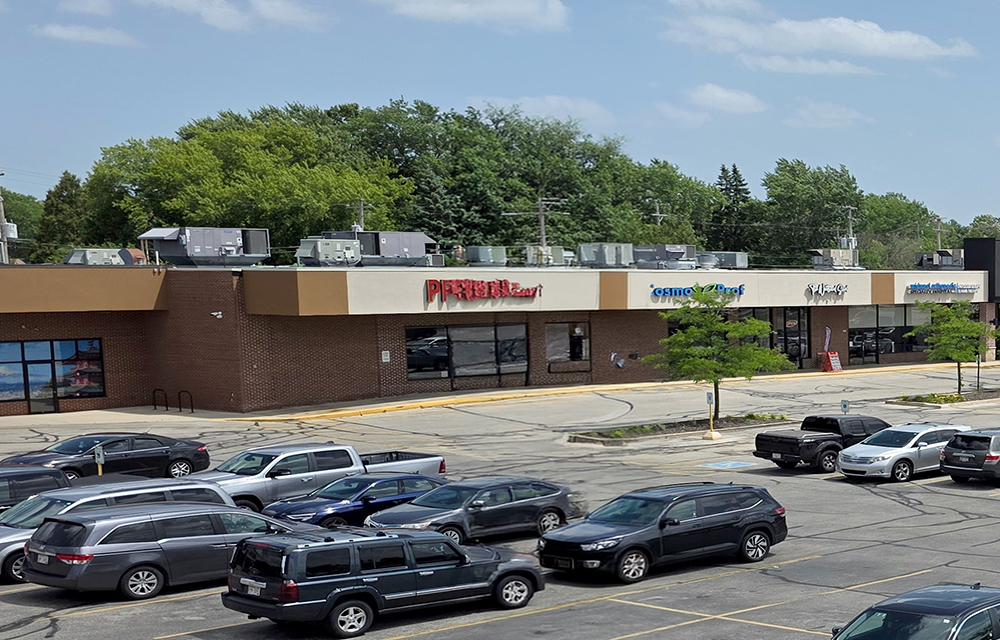
United Properties Corp. expands Wisconsin and Illinois retail presence adding 200,000 s/f
West Allis, WI United Properties Corp. completed two retail acquisitions totaling $27.4 million across Illinois and Wisconsin, adding 205,000 s/f of shopping center space to its portfolio



 (2).gif)

Columns and Thought Leadership

New York’s streets are full again, and the retail numbers prove it - by Noam Aziz
Walk down any New York block this year and you can feel it. The sidewalks are crowded, the storefronts are lit, and the energy that defines this city is back at full volume.

Hunt commercial real estate question and answer: Fortune 500 wisdom - by David Hunt
Yes, there are lessons to be learned from the largest companies in America when comes to managing your real estate. But the decision to buy or lease real estate may not be one of

A guide to finding the right NYC property management company - by Sanjay Gandhi
Being a small to midsize landlord in NYC is an increasingly demanding endeavor. From navigating complex regulations, increased compliance demands to dealing with tenant issues and remediating violations. It is wise to enlist the assistance of a partner, a professional

Positive forecast for New York’s pro-housing push? - by Philip Butler
New York’s housing crisis remains a hot button topic despite growing consensus that varied and affordable housing is desperately needed statewide. Governor Hochul has recently introduced several initiatives to overcome N.Y.’s anti-housing
.gif)