



News:
Brokerage
Posted: March 7, 2011
Doshi of Besen & Associates completes $22.25 million sale of 10-building portfolio; Mandell of Mandell, Okin, and Edelman reps seller
Amit Doshi, executive director at Besen & Associates, has closed the sale of a portfolio of 10 multifamily buildings containing 239 apartments and 25 stores located in the following northern Manhattan and Bronx locations: 2100-2102 Amsterdam Ave., 646-50 West 160th St., 2009-2011 Amsterdam Ave., 1619-1623 Amsterdam Ave., 1625-1635 Amsterdam Ave., 1461 Amsterdam Ave., 615-617 West 152nd St., 83-87 Audubon Ave., 554 East 149th St., 1911-1915 Southern Blvd., and 265 East 176th St.
The portfolio mainly consists of walk-up buildings, with the exception of a block front, 1619-1623 Amsterdam Ave. and 1625-1635 Amsterdam Ave., both are seven-story elevator buildings with 36 apartments and eight stores. At a selling price of $22.25 million, the metrics of the sale work out to a gross rent multiplier under 7, price per unit of $84,280, price per s/f of $105.
The properties were marketed for less than a month, with a closing period of 45 days (time being of the essence) as a critical component of the transaction for the seller. In an active 2010 for the firm, this was Doshi's 58th contract of the year.
Mark Mandell of Mandell, Mandell, Okin and Edelman represented the seller, and Michael Papagianopolous of Karabelas & Papagianopolous represented the purchaser.
Tags:
Brokerage
MORE FROM Brokerage
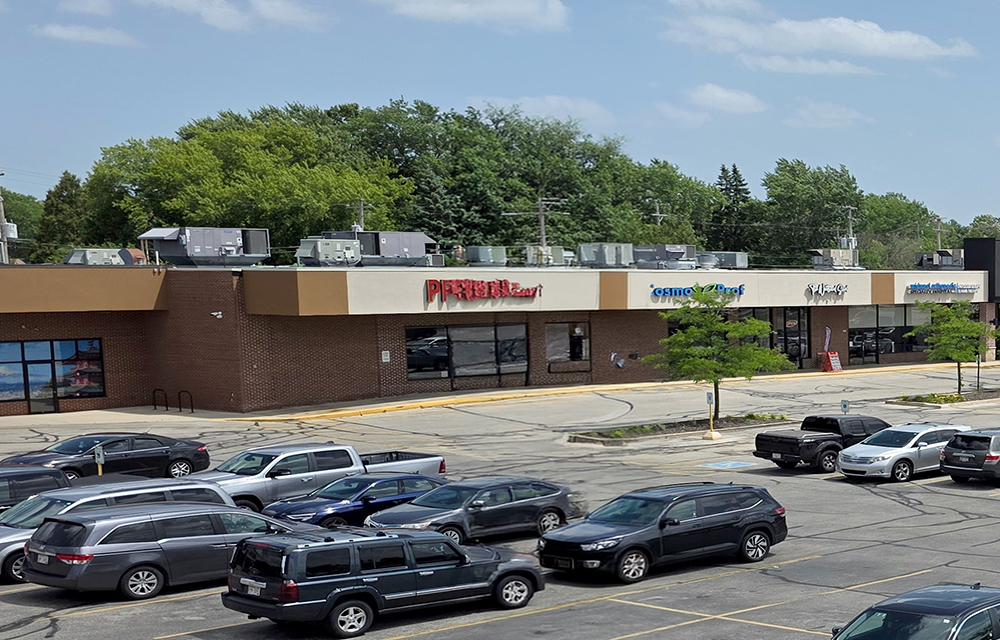
United Properties Corp. expands Wisconsin and Illinois retail presence adding 200,000 s/f
West Allis, WI United Properties Corp. completed two retail acquisitions totaling $27.4 million across Illinois and Wisconsin, adding 205,000 s/f of shopping center space to its portfolio




Columns and Thought Leadership

Positive forecast for New York’s pro-housing push? - by Philip Butler
New York’s housing crisis remains a hot button topic despite growing consensus that varied and affordable housing is desperately needed statewide. Governor Hochul has recently introduced several initiatives to overcome N.Y.’s anti-housing

A guide to finding the right NYC property management company - by Sanjay Gandhi
Being a small to midsize landlord in NYC is an increasingly demanding endeavor. From navigating complex regulations, increased compliance demands to dealing with tenant issues and remediating violations. It is wise to enlist the assistance of a partner, a professional

New York’s streets are full again, and the retail numbers prove it - by Noam Aziz
Walk down any New York block this year and you can feel it. The sidewalks are crowded, the storefronts are lit, and the energy that defines this city is back at full volume.

Hunt commercial real estate question and answer: Fortune 500 wisdom - by David Hunt
Yes, there are lessons to be learned from the largest companies in America when comes to managing your real estate. But the decision to buy or lease real estate may not be one of
.gif)