



News:
Brokerage
Posted: March 7, 2011
Collaborative living will make Smart Growth a success on Long Island
Smart Growth is a planning concept which promotes transit-oriented development in denser revitalized downtown areas that have direct access to bus and railroad transportation hubs. This development is vital to Long Island's continued prosperity and growth because it offers an environmentally friendly solution to the region's shortage in housing, lack of open space and reliance on the automobile. Smart Growth encourages the redevelopment of downtown areas with mixed use compact buildings and affordable housing achieved through flexible zoning regulations and regional long-term planning. The appeal is an urban lifestyle in a suburban setting.
One of the manifestations of this trend is the encouragement of apartment units over retail stores or offices. Once frowned upon by many municipalities, such mixed uses are now considered a positive downtown planning scheme that is integral in revitalizing stores in downtown areas. This type of mixed-use development promotes walkable communities that are less dependent on automobiles. It also offers the convenience and energy of downtown living with amenities such as restaurants and entertainment, as well as retail uses for basic every day needs. Towns and villages are now amending their zoning regulations to permit, or even encourage, developers to undertake such projects.
To implement this type of Smart Growth development, changes in public policy and zoning regulations must be made by state and local governments. Developers, architects, engineers, attorneys, elected officials, civic leaders, and local businesses must work together to develop a plan that meets the specific needs of their community. It is this collaborative effort that will make Smart Growth successful in the Long Island region and regions nationwide.
Andrea Tsoukalas, Esq., is a partner at Forchelli Curto, Deegan, Schwartz, Mineo, Cohn & Terrana, LLP, Uniondale, N.Y.
Tags:
Brokerage
MORE FROM Brokerage
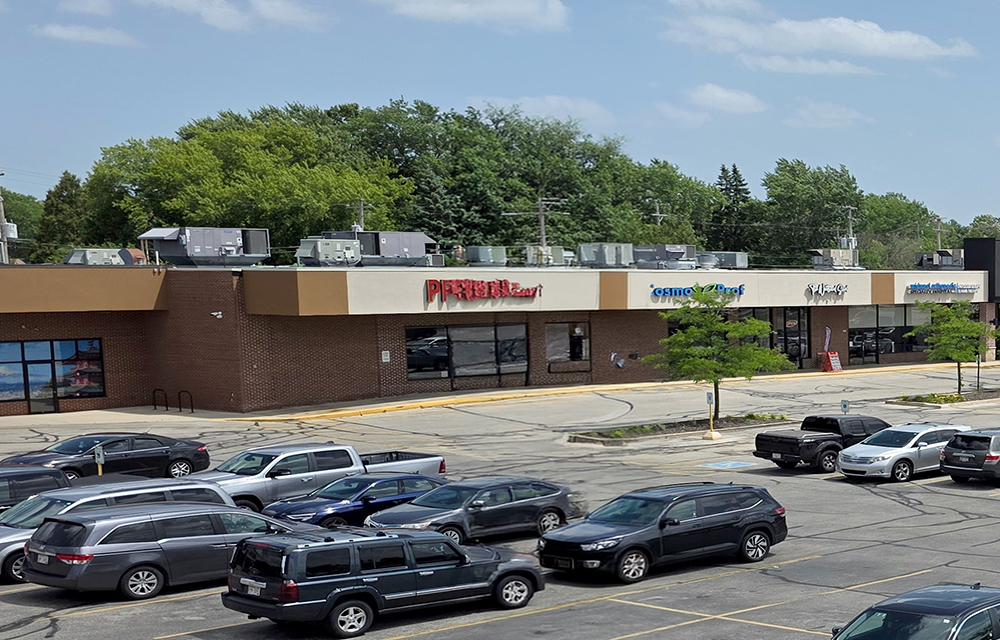
United Properties Corp. expands Wisconsin and Illinois retail presence adding 200,000 s/f
West Allis, WI United Properties Corp. completed two retail acquisitions totaling $27.4 million across Illinois and Wisconsin, adding 205,000 s/f of shopping center space to its portfolio


Quick Hits
 (2).gif)

Columns and Thought Leadership

New York’s streets are full again, and the retail numbers prove it - by Noam Aziz
Walk down any New York block this year and you can feel it. The sidewalks are crowded, the storefronts are lit, and the energy that defines this city is back at full volume.

Hunt commercial real estate question and answer: Fortune 500 wisdom - by David Hunt
Yes, there are lessons to be learned from the largest companies in America when comes to managing your real estate. But the decision to buy or lease real estate may not be one of

A guide to finding the right NYC property management company - by Sanjay Gandhi
Being a small to midsize landlord in NYC is an increasingly demanding endeavor. From navigating complex regulations, increased compliance demands to dealing with tenant issues and remediating violations. It is wise to enlist the assistance of a partner, a professional

Positive forecast for New York’s pro-housing push? - by Philip Butler
New York’s housing crisis remains a hot button topic despite growing consensus that varied and affordable housing is desperately needed statewide. Governor Hochul has recently introduced several initiatives to overcome N.Y.’s anti-housing
.gif)