



News:
Brokerage
Posted: November 21, 2008
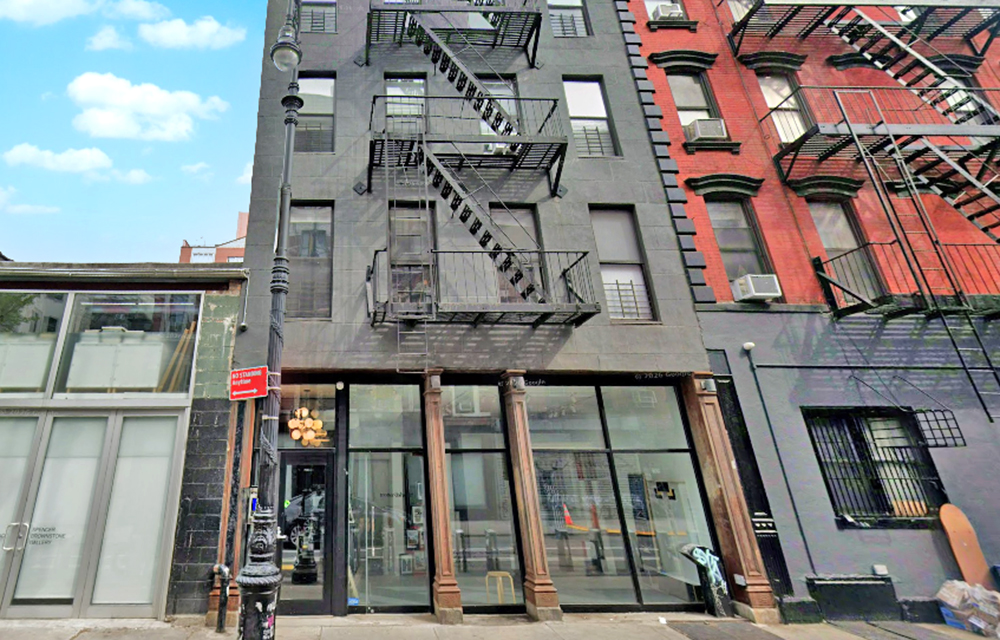
Martin of Sinvin signs Bath Junkie for 1,100 s/f Manhattan flagship store
According to Sinvin Realty, LLC, national bath and body product retailer Bath Junkie will be debuting its New York flagship store at 227 Mulberry St. between Prince and Spring Sts. soon. The tenant is taking over the remaining two years of an existing lease on the space, and signed a new 10-year lease with five-year option for the 1,100 s/f ground floor.
Sinvin Realty associate director Magnolia Martin represented the owner, Mulberry Associates, LLC in the negotiations, while the tenant was represented by Buchbinder & Warren's Gabe Whitman and William Abramson. The reported asking rent was $150 per s/f.
With 12 ft. of frontage and high, 12-ft. ceilings, this property caters to the style and theme of this franchise. "The owner loved the idea of the store and he felt it was by far the best tenant for this space," said Martin.
Since opening in Arkansas in 1996, and later franchising in 2000, Bath Junkie now has over 70 locations nationwide and will soon be expanding internationally. Most recently, the company adopted a "Clean & Green" policy, utilizing alternative energy and waste practices and offering reusable totes and container recycling incentives to customers.
Driven to continue a thirty-year legacy, Sinvin Realty remains Downtown Manhattan's premier real estate advisor. Sinvin's visionary deal making in retail and office space was instrumental in transforming SoHo from a manufacturing zone into one of the world's most coveted commercial destinations. Today, Sinvin is at the forefront of this market. While firmly planted in SoHo, Sinvin has grown to play a role in the revitalization and refinement of the surrounding neighborhoods of TriBeCa, Greenwich Village, Chelsea, Flatiron, and the Meatpacking District, where it has spearheaded the commercial development of these vibrant communities. Knowing these neighborhoods like no one else, Sinvin serves as trusted advisor and dealmaker for real estate investors.
Tags:
Brokerage
MORE FROM Brokerage
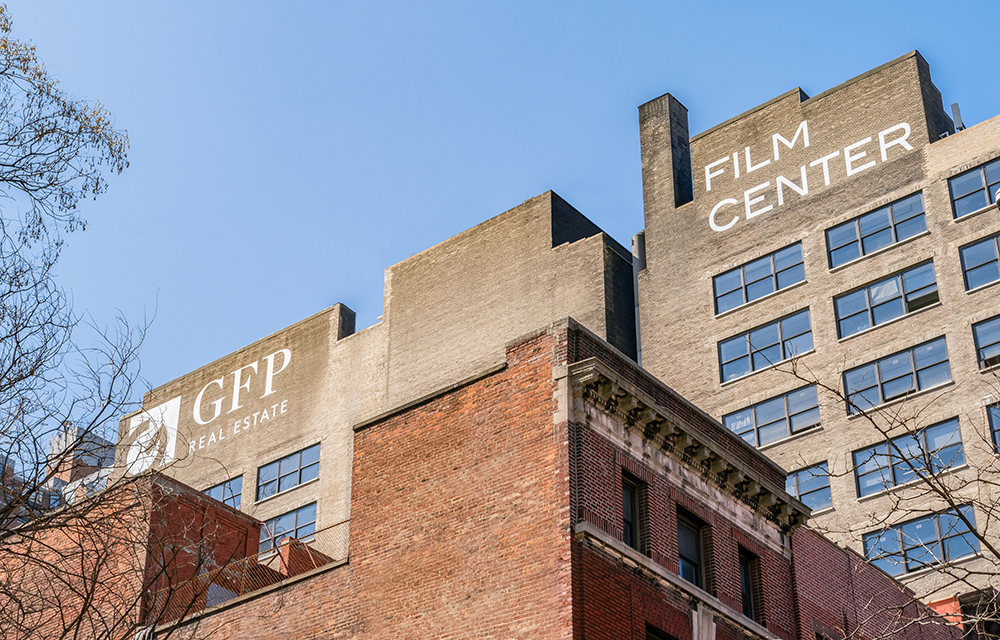
GFP Real Estate signs 11,078 s/f of leasing activity at 630 Ninth Ave.
Manhattan, NY GFP Real Estate closed three office leasing transactions totaling 11,078 s/f at 630 Ninth Ave. in Midtown, including a new lease with Irish Arts Center and extensions by existing



Quick Hits

Columns and Thought Leadership

A guide to finding the right NYC property management company - by Sanjay Gandhi
Being a small to midsize landlord in NYC is an increasingly demanding endeavor. From navigating complex regulations, increased compliance demands to dealing with tenant issues and remediating violations. It is wise to enlist the assistance of a partner, a professional

Hunt commercial real estate question and answer: Fortune 500 wisdom - by David Hunt
Yes, there are lessons to be learned from the largest companies in America when comes to managing your real estate. But the decision to buy or lease real estate may not be one of

Positive forecast for New York’s pro-housing push? - by Philip Butler
New York’s housing crisis remains a hot button topic despite growing consensus that varied and affordable housing is desperately needed statewide. Governor Hochul has recently introduced several initiatives to overcome N.Y.’s anti-housing

New York’s streets are full again, and the retail numbers prove it - by Noam Aziz
Walk down any New York block this year and you can feel it. The sidewalks are crowded, the storefronts are lit, and the energy that defines this city is back at full volume.
.gif)
September Promotion
