Marcus & Millichap







Brooklyn, NY Marcus & Millichap have completed three sales totaling $21.125 million:
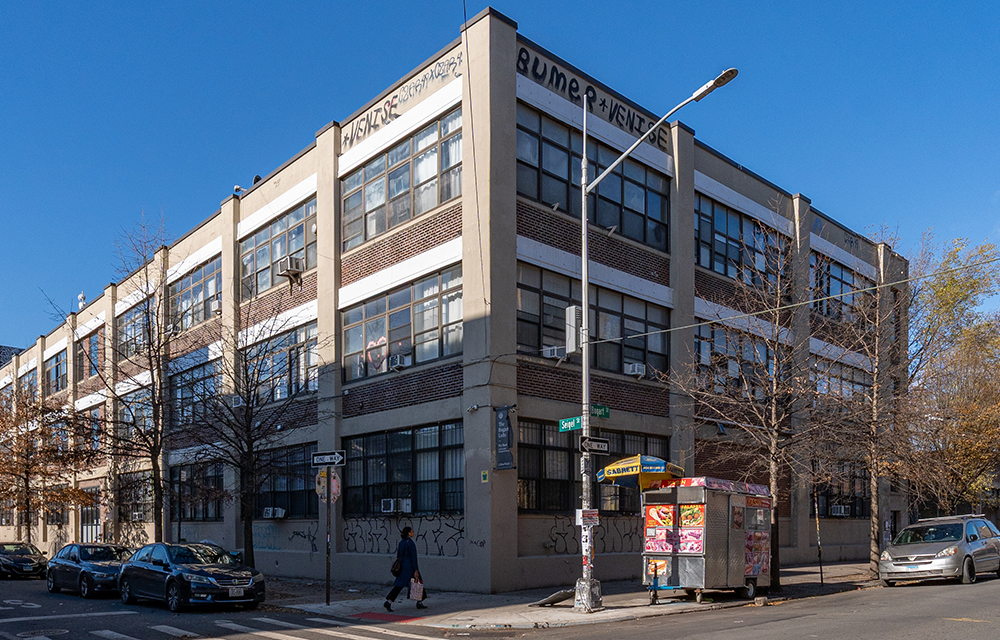
• 132 54th St., a 35,500 s/f industrial property sold for $15.25 million. Jakub Nowak and Jake Torre, investment specialists at the firm, had the exclusive listing to market the property on behalf of the seller, a limited liability company. The buyer, a private investor, was also secured and represented by the team.
“The sale of 132 54th St. at approximately $426 per s/f speaks to the strong buyer demand for well positioned industrial real estate in the boroughs of New York City,” said Nowak.
• 278 19th St., a six-unit apartment property sold for $1.625 million. John Brennan, an investment specialist at the firm had the exclusive listing to market the property on behalf of the seller, a private investor. The buyer, a private investor, was also secured and represented by Brennan.
“The sale of 278 19th St. was as a win-win for both seller and buyer, as the seller plans to 1031 exchange into a net-leased property out of state. The buyer walked away with a free-market six-family at a time where values for this property type should continue to stay strong, or even push upward given the current market for rent-stabilized buildings. With plans to renovate apartments as they turn over, the buyer should be able to enjoy a nice swing in the rent roll with most apartments currently rented for 60-70% of market,” Brennan.
• 692 Coney Island Ave., a 3,087 s/f mixed-use property sold for $800,000. Brennan and Samuel Finkler, investment specialists, had the exclusive listing to market the property on behalf of the seller, a private investor. The buyer, a private investor, was also secured and represented by the team.
“This property had a ton of issues including a stop work order, non-conforming C of O, and department of building violations. Ultimately, our team was able to create a market around this property where we had two buyers at the original asking price. The buyer who signed the contract first and ultimately purchased the deal has plans to knock the current structure down and build an entirely new mixed-use property in its place,” Finkler said.







.gif)