



News:
Brokerage
Posted: March 25, 2013
LRC Opportunity Fund closes 100,000 s/f deal
LRC Opportunity Fund, LLC has closed the deal on 227 Fayetteville St.
Formerly the regional headquarters of Wachovia Bank, 227 is a vacant, 10-story high-rise office building located in the downtown area. The building has 100,000 s/f of rental space, as well as retail frontage on the two main streets of Fayetteville St. and South Wilmington St. 227 has mid-century modern design featuring exterior marble columns with steel and glass detailing.
LRC will begin work immediately to renovate, restore and upgrade the building. Work will include asbestos removal, construction, and upgrading the building to green, LEED certification with state-of-the-art telecommunications and cloud connectivity.
"We purchased the 227 building to transform it into the upscale Class A office building that is needed in the booming downtown Raleigh office market. The building has a sought-after location - in close proximity to the state Capital, County Courthouse and new Redhat and Citrix buildings, and nearby the newly opened Convention/Civic Center and residential units under development. With the surge in entrepreneurial businesses looking for space in downtown Raleigh, we expect 227 Fayetteville to be one of the most sought after office complexes in the city. Equally as important, this property, like all of our properties, will provide a strong return on investment for our investors," said Howard Lavitt, principal and co-founder of LRC Opportunity Fund, LLC.
LRC plans to hire many local companies to work on the project. To date, LRC has retained Solutions PDM as manager for the demolition and construction project; Phillips Architecture for the construction drawings and demolition plan, and Alliance Architecture of Durham for the building design and branding. Property Resources of Raleigh has been retained to market the space to tenants.
LRC expects the work to be completed by the end of the third quarter of 2013, with tenants able to move into the building in early 2014.
LRC also owns the Brier Creek Medical Pavilion building in northwest Raleigh. In addition, it owns other North Carolina properties, including The Tranquil Court mixed-use building in Charlotte and the 500,000 s/f Madison Park corporate park in Winston-Salem.
Tags:
Brokerage
MORE FROM Brokerage
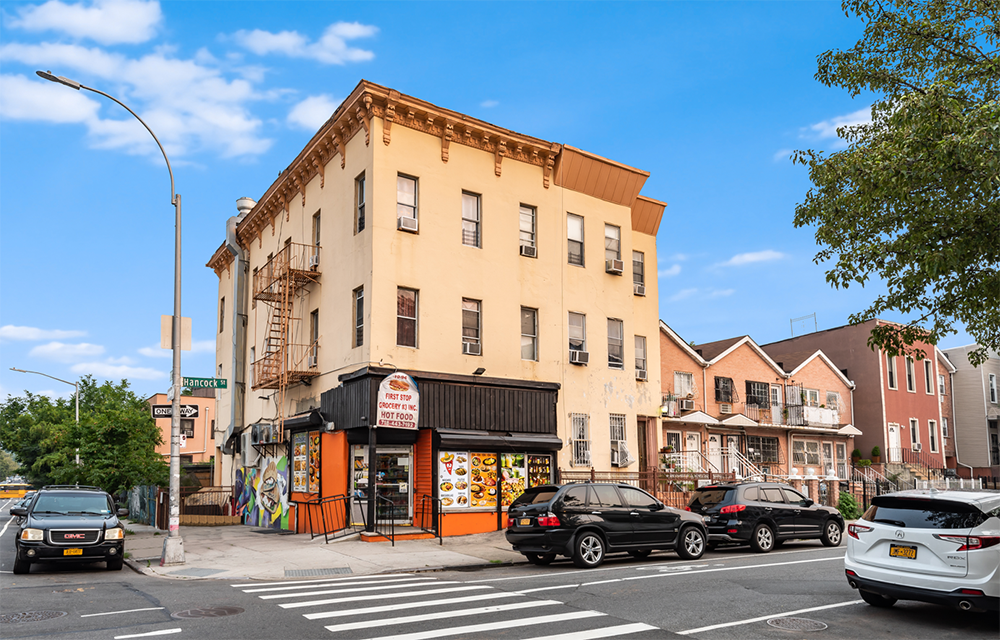
Investment Property Realty Group closes $1.75 million sale of 1094 Hancock Street in Brooklyn
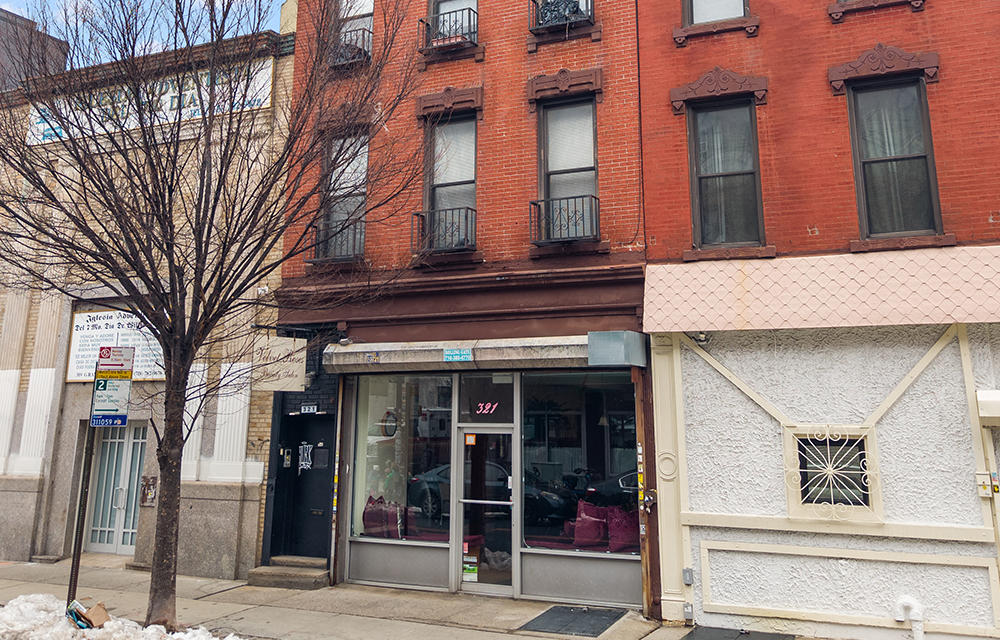
Brooklyn, NY Investment Property Realty Group (IPRG), a New York-based commercial investment firm, has closed the sale of 1094 Hancock St., a mixed-use building in the Bushwick section, for $1.75 million.



Columns and Thought Leadership

Hunt commercial real estate question and answer: Fortune 500 wisdom - by David Hunt
Yes, there are lessons to be learned from the largest companies in America when comes to managing your real estate. But the decision to buy or lease real estate may not be one of

A guide to finding the right NYC property management company - by Sanjay Gandhi
Being a small to midsize landlord in NYC is an increasingly demanding endeavor. From navigating complex regulations, increased compliance demands to dealing with tenant issues and remediating violations. It is wise to enlist the assistance of a partner, a professional

Hunt CRE question and answer: Choosing a real estate agent - by David Hunt
First, we will only work with one agent exclusively. The primary reason is that we want that agent to legally represent our client’s interests. In New York State, a real estate agent has a fiduciary

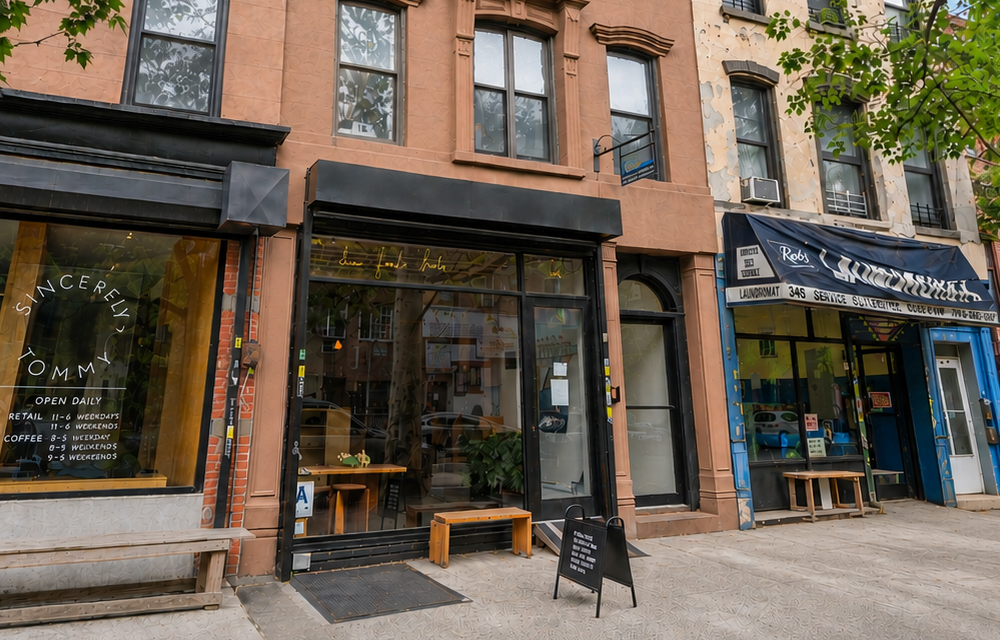
New York’s streets are full again, and the retail numbers prove it - by Noam Aziz
Walk down any New York block this year and you can feel it. The sidewalks are crowded, the storefronts are lit, and the energy that defines this city is back at full volume.
.gif)