



News:
Brokerage
Posted: July 25, 2011
Langtry and Cuddy of CBRE lease 18,243 s/f to Captain Lawrence Brewing; Relocated to 444 Saw Mill River Road, Elmsford
Captain Lawrence Brewing Co. has inked an 18,243 s/f lease at 444 Saw Mill River Rd. Captain Lawrence plans to relocate its 8,000 s/f operations from Pleasantville and build a new facility that will increase its brewing capacity and create a number of additional jobs. The CBRE team of Kevin Langtry and William Cuddy negotiated the long-term lease commitment on behalf of Captain Lawrence Brewing Co.
Owned and operated by local Westchester County resident Scott Vaccaro, the Captain Lawrence Brewing Co. has experienced growth over the past few years.
"After five and a half years of brewing at our current location, 99 Castleton St. in Pleasantville, New York, we are excited to be moving to a larger facility. The Village of Pleasantville, and our local neighbors, have been a tremendous part of our success and we hope they will make the short drive to visit us in Elmsford," said Vaccaro.
Vaccaro plans to have the new brewery and tasting room up and running by the fall. This new facility is larger and can accommodate much taller vats, allowing for a five times the brewing capacity and the addition of a bottling line to begin rolling out its flagship Freshchester Pale Ale in 12 ounce bottles. The new tasting room will be 1,500 s/f and will include a new draft system for serving beer and filling growlers.
Langtry said, "There were a number of requirements that needed to be met including high ceilings, abundant electrical power and municipal water, which took some time to find. After a lengthy search the space at 444 Saw Mill worked out fantastically."
Langtry said, "It was a pleasure working with a great local company, and especially one that happens to make my favorite beer."
Tags:
Brokerage
MORE FROM Brokerage
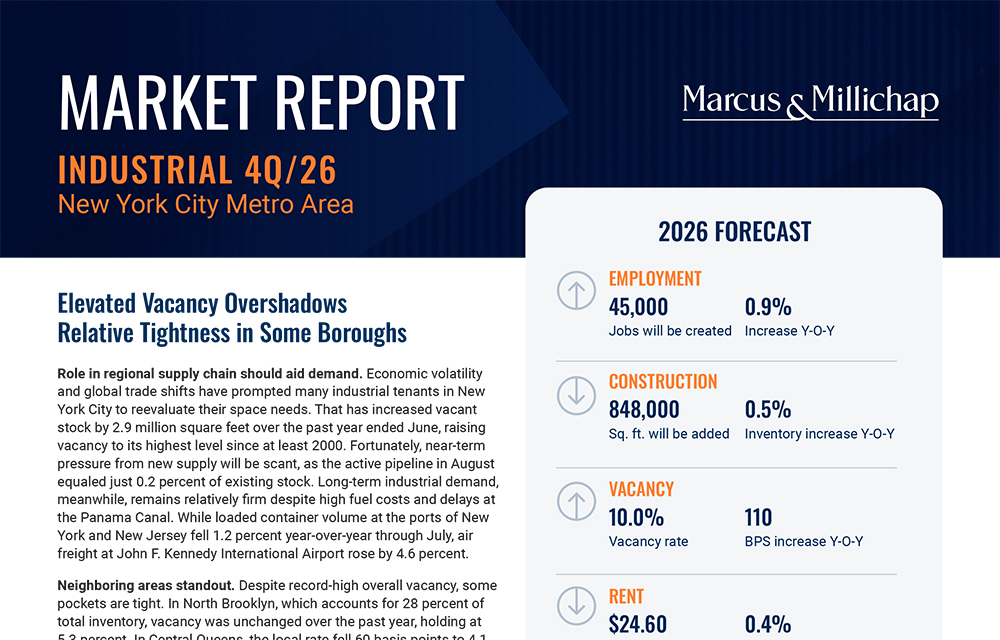
Marcus & Millichap releases fourth-quarter 2026 NYC industrial market report
Manhattan, NY Marcus & Millichap has published its fourth-quarter 2026 New York City Industrial Market Report. “New York City’s industrial market is showing a clear
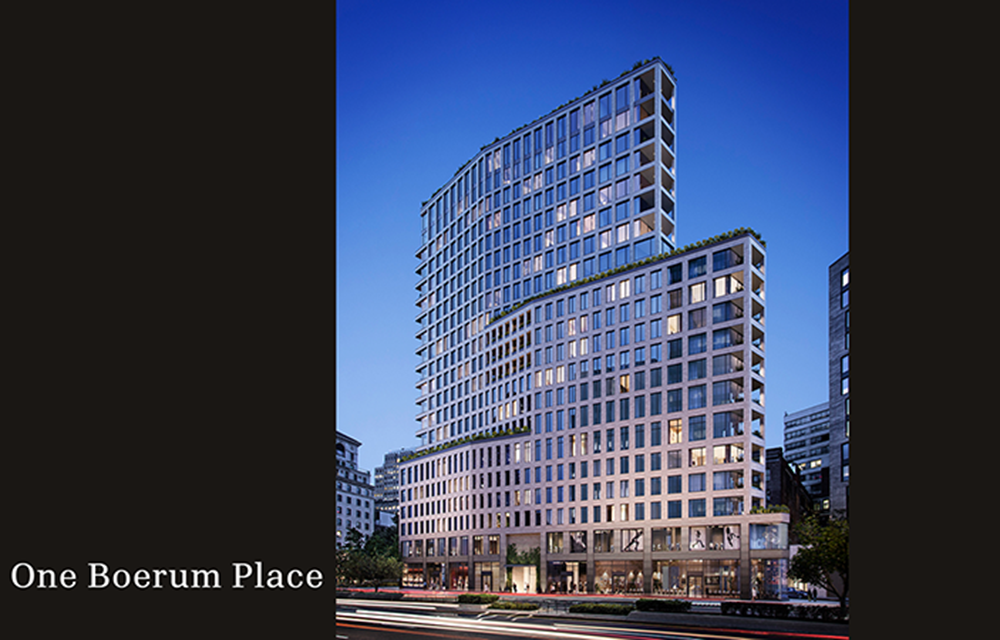

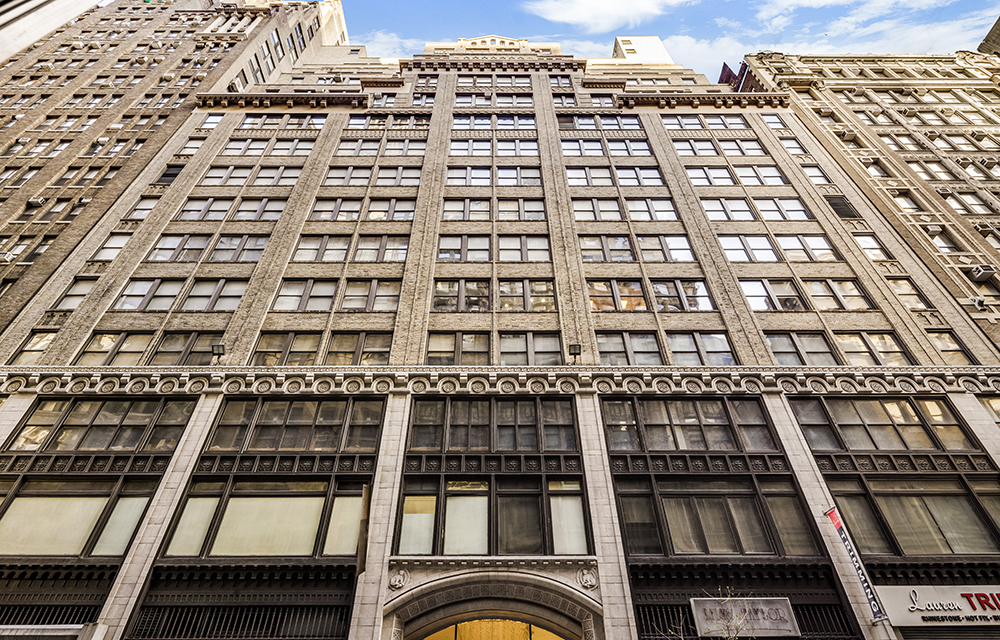


 (2).gif)

Columns and Thought Leadership

Hunt commercial real estate question and answer: Fortune 500 wisdom - by David Hunt
Yes, there are lessons to be learned from the largest companies in America when comes to managing your real estate. But the decision to buy or lease real estate may not be one of

New York’s streets are full again, and the retail numbers prove it - by Noam Aziz
Walk down any New York block this year and you can feel it. The sidewalks are crowded, the storefronts are lit, and the energy that defines this city is back at full volume.

Hunt CRE question and answer: Choosing a real estate agent - by David Hunt
First, we will only work with one agent exclusively. The primary reason is that we want that agent to legally represent our client’s interests. In New York State, a real estate agent has a fiduciary

The art of investing in real estate - by Thomas Donovan
Real estate investing is as much an art as it is a skill. No one can time the market, or the factors that drive it, perfectly. Location, zoning, size, transportation, and neighborhood density give you a baseline for
.gif)