



News:
Brokerage
Posted: May 23, 2011
InterFace Multifamily: N.Y. to have 115 attendees
According to InterFace Conference Group, 115 investors, owners, developers, brokers and financiers who specialize in multifamily properties have already made plans to attend InterFace Multifamily: N.Y. on June 7. Some of the nation's leading multifamily firms, including: Avalon Bay Communities, Behringer Harvard, LaSalle Investment Management and Equity Residential have made plans to participate. Local multifamily firms, including: The Dermot Co., LeFrak Org., The Kamson Corp. and L&L Residential will participate, as well. More than 200 are expected to attend this executive-level commercial real estate conference at the N.Y.C. Bar Association.
InterFace Multifamily: N.Y. is a full-day conference that will feature more than 50 speakers from around the nation and Greater N.Y. region who will discuss the current and future wave of multifamily investment and development opportunities following the 2007-2009 recession, subsequent recovery and other important industry trends.
"The shift from homeowner to renter status following the subprime fallout is enhancing the demand for quality multifamily units," said Brian Klebash of the InterFace Conference Group. "New development is occurring in established and transition areas of New Jersey, while the myriad of investors, notably REITs and institutional investors continue to source deals in Manhattan."
NMHC president Douglas Bibby will lead the conference's opening panel discussion, "The National, Regional and Local Outlook for Multifamily Property: What to Look For in the Second Half of 2011," with expert contributors including: Richard Boales, Equity Residential; Doug Culkin, National Apartment Association; Andrew MacArthur, CWCapital LLC; Walt Smith, Riverstone Residential Group and Steve B. Witten, Marcus & Millichap. Andrew MacArthur is the CMBS special servicer for the massive Stuyvesant Town—Peter Cooper Village multifamily village on the East Side of Manhattan.
The conference will aim to address key themes in multifamily investment and development today, including: What have been the important trends in the debt market for the first two quarters of 2011? What are buyers' and sellers' attitudes around the nation compared to Greater New York region? Is new development occurring in core, only? Are market fundamentals strong across the board in Greater New York—or only in certain boroughs and submarkets?
For additional information: www.interfaceconferencegroup.com/mfny
Tags:
Brokerage
MORE FROM Brokerage
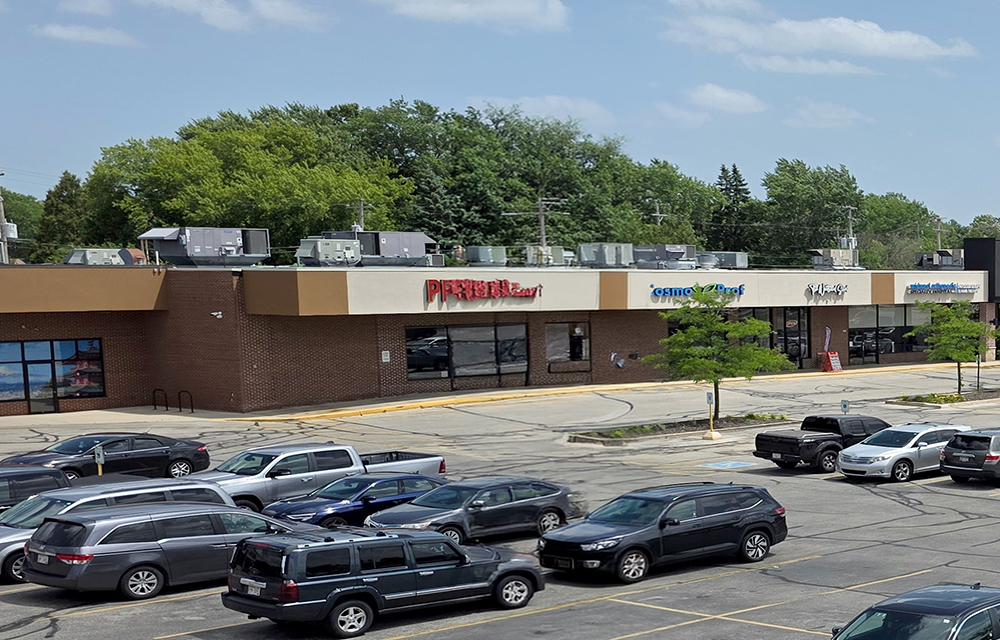
United Properties Corp. expands Wisconsin and Illinois retail presence adding 200,000 s/f
West Allis, WI United Properties Corp. completed two retail acquisitions totaling $27.4 million across Illinois and Wisconsin, adding 205,000 s/f of shopping center space to its portfolio


Quick Hits
 (2).gif)

Columns and Thought Leadership

New York’s streets are full again, and the retail numbers prove it - by Noam Aziz
Walk down any New York block this year and you can feel it. The sidewalks are crowded, the storefronts are lit, and the energy that defines this city is back at full volume.

A guide to finding the right NYC property management company - by Sanjay Gandhi
Being a small to midsize landlord in NYC is an increasingly demanding endeavor. From navigating complex regulations, increased compliance demands to dealing with tenant issues and remediating violations. It is wise to enlist the assistance of a partner, a professional

Hunt commercial real estate question and answer: Fortune 500 wisdom - by David Hunt
Yes, there are lessons to be learned from the largest companies in America when comes to managing your real estate. But the decision to buy or lease real estate may not be one of

Positive forecast for New York’s pro-housing push? - by Philip Butler
New York’s housing crisis remains a hot button topic despite growing consensus that varied and affordable housing is desperately needed statewide. Governor Hochul has recently introduced several initiatives to overcome N.Y.’s anti-housing
.gif)