



News:
Brokerage
Posted: April 26, 2022
HVAC serves key role in NYC gas ban - By Jack Conway

The New York City Council officially passed a natural gas ban on the installation of heat gas and stoves in new construction projects. Natural gas hookups will no longer be allowed in new buildings, and all buildings under seven stories will have to be completely electric as of 2023. York City continues to push towards more green and sustainable energy sources, as well as lower carbon footprints in construction and similar industries. Previous efforts in this movement towards renewable energy includes Local Law 97, passed in 2019. The law limited the amount of emissions allowed for buildings over 25,000 s/f, and was part of a broader city effort, termed the Climate Globalization Act. As the city renews and continues this transition, certain industries will provide vital assistance in the effort towards 100 percent renewable energy and the diminished use of fossil fuels.
A prime example of an industry that is set to capitalize on the effects of the new natural gas ban is the HVAC industry. As the push towards zero-net emissions continues, retrofitting outdated equipment and air quality maintenance will become all the more important. Today’s HVAC technology can also meet green standards and expectations that many owners and developers are focused on now in New York City. Installations that are able to replace natural gas with renewable or electric energy will be in high demand going forward.
Additionally, in the push towards new strategies for energy, technology that can optimize both the functional aspects of the infrastructure while also lessening the environmental impact will ensure that the natural gas ban doesn’t alter or delay new construction projects. Both new and old buildings will eventually necessitate the adoption of HVAC technology. Factors such as climate change, eco-friendly goals and the pandemic have all ushered in a quicker transition to these kinds of advancements.
Per data, boilers, furnaces and hot water heaters in New York City buildings emit 40 percent of the city’s carbon. This carbon footprint is larger than the total emissions from citywide electricity use. The natural gas ban is a start towards limiting the amount of emissions from buildings and residents. With New York City attempting to lead the way on green practices, the beginning of 2022 is indicative of a continuing trend. Both sustainable energy and technology and indoor air quality and ventilation will be vital and necessary in construction projects moving forward. Employees may still be working from home or in hybrid roles, but developers and owners will have to prepare for the return of employees to the office space.
Specific technologies represented by companies like Gil-Bar will be the key going forward. Infrastructure updates to existing buildings and installations of new technologies in new buildings could include passive and chilled beam systems, which allow for reduced energy output, and in turn, reduced emissions. These kinds of sophisticated HVAC systems and technology can allow for efficiency as well in fine-tuning building environments. Additionally, as landlords and owners work to navigate the new regulations enacted by the natural gas ban and other laws, HVAC specialists will be essential, given the need for expertise in modernizing construction projects moving forward. Furthermore, the need for specific knowledge on each building installation will be required, as both new and old buildings will have different installation processes and needs, depending on the asset type.
Energy efficient designs that can help reduce carbon emissions and modernize buildings will be vital in the coming years, and landlords, owners and developers who are able to adapt could expect to see increased activity in the market, especially if utilizing a proper HVAC specialist while installing new and sustainable systems that will benefit both tenants and employees, as well as the public and environmental health outside the building.
Jack Conway, VP at Gil-Bar Health & Life Sciences, New York, NY
Tags:
Brokerage
MORE FROM Brokerage
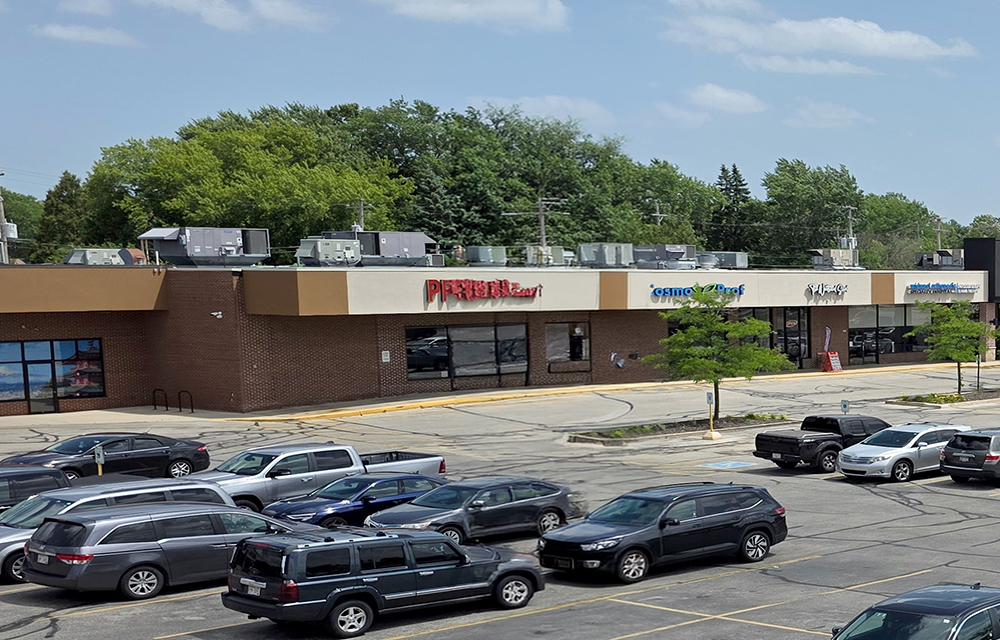
United Properties Corp. expands Wisconsin and Illinois retail presence adding 200,000 s/f
West Allis, WI United Properties Corp. completed two retail acquisitions totaling $27.4 million across Illinois and Wisconsin, adding 205,000 s/f of shopping center space to its portfolio



Quick Hits
 (2).gif)

Columns and Thought Leadership

Positive forecast for New York’s pro-housing push? - by Philip Butler
New York’s housing crisis remains a hot button topic despite growing consensus that varied and affordable housing is desperately needed statewide. Governor Hochul has recently introduced several initiatives to overcome N.Y.’s anti-housing

A guide to finding the right NYC property management company - by Sanjay Gandhi
Being a small to midsize landlord in NYC is an increasingly demanding endeavor. From navigating complex regulations, increased compliance demands to dealing with tenant issues and remediating violations. It is wise to enlist the assistance of a partner, a professional

New York’s streets are full again, and the retail numbers prove it - by Noam Aziz
Walk down any New York block this year and you can feel it. The sidewalks are crowded, the storefronts are lit, and the energy that defines this city is back at full volume.

Hunt commercial real estate question and answer: Fortune 500 wisdom - by David Hunt
Yes, there are lessons to be learned from the largest companies in America when comes to managing your real estate. But the decision to buy or lease real estate may not be one of
.gif)