



News:
Brokerage
Posted: January 11, 2022
HAP Investments secures $76.75 million loan from Allegiant Real Estate Capital
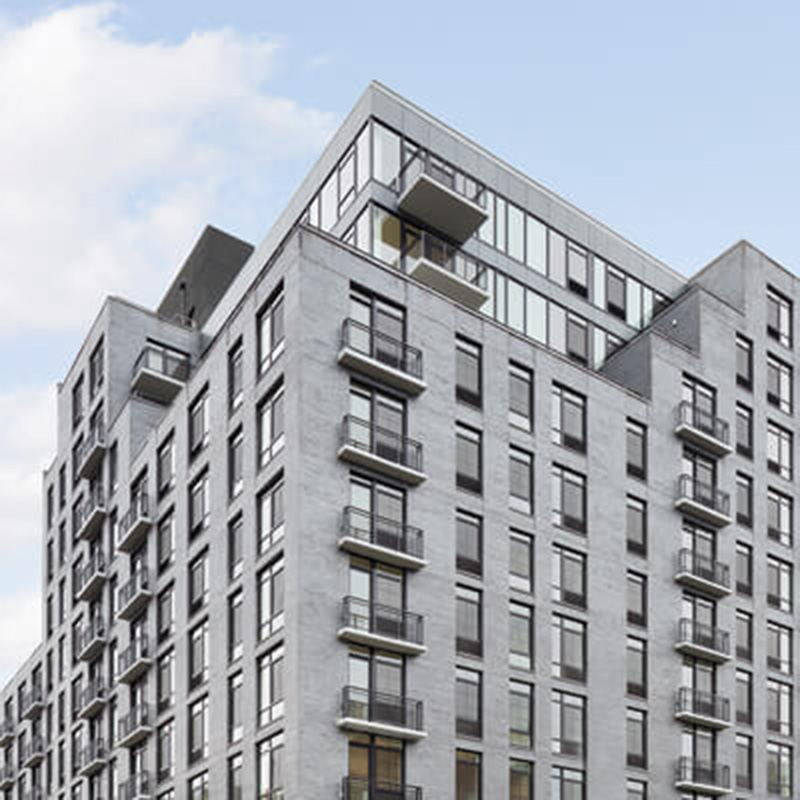
Manhattan, NY HAP Investments, a New York-based international real estate investment and development company, has secured a $76.75 million loan from Allegiant Real Estate Capital, a commercial real estate lender and debt investor offering comprehensive and customized financing solutions. The three-year loan will be utilized to refinance HAP Investment’s robust East Harlem portfolio.
“We are excited about HAP’s commitment to New York City and East Harlem, in particular, and are thrilled to be a partner in their efforts,” said Randy Reiff, CEO of Allegiant Real Estate Capital.
The refinanced properties are located at 2338 Second Ave., 329 Pleasant Ave., and 2211 Third Ave. in East Harlem. This portfolio of buildings is home to almost 160 apartments and contains leased retail spaces. HAP Investments’ efforts to secure this loan were led by Andrea Lawrence, deputy CEO and general counsel, and Will Wang, the firm’s CFA. Smith, Gambrell & Russell, LLP’s Moty Ben Yona, partner, and Amanda Attenasio, associate, served as legal representation.
“We are thrilled to close this loan with Allegiant Real Estate Capital, and secure funding that will allow HAP Investments to bring our East Harlem portfolio to its full potential.” said Eran Polack, CEO of HAP Investments. “As a long-time New Yorker, and someone who has spoken openly about my belief in the economic recovery of New York, it is encouraging to see this level of activity in the real estate market.”
A community leader and partner, HAP Investments recently launched a shop local incentive program for building residents in an effort to aid in the city’s economic recovery. The program offers up to $1,000 in rent credits to building residents for shopping and dining locally and will provide additional rent discounts to the top three residents who make the most effort to shop local during the program.
HAP Investments’ complete portfolio of properties includes 10 buildings located throughout the New York City metropolitan area, including The Maverick, a mixed-use luxury residential development comprised of two buildings located in the Chelsea neighborhood of Manhattan.
Tags:
Brokerage
MORE FROM Brokerage
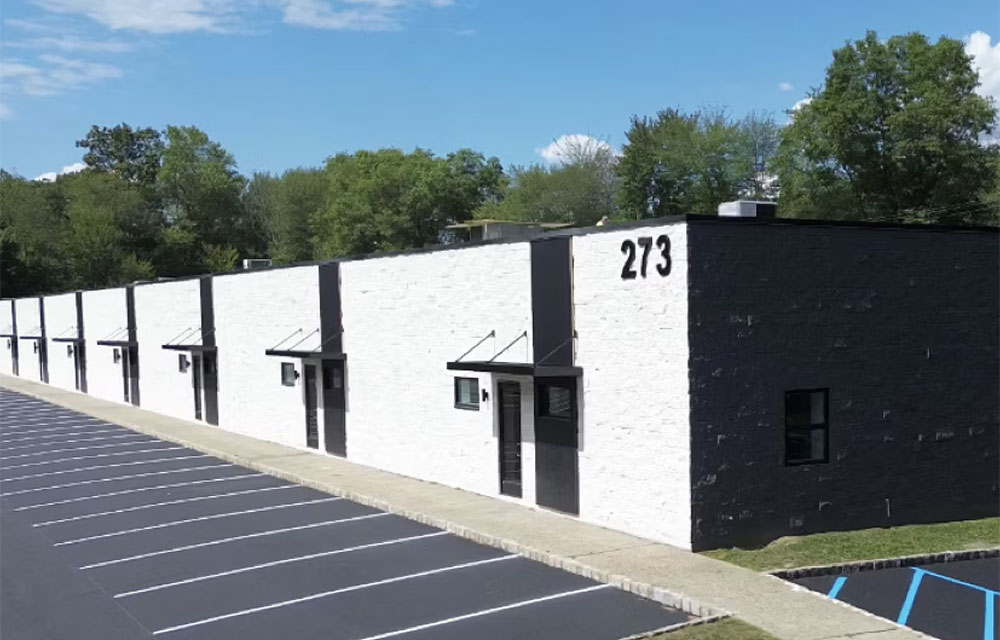
Resource Realty of Northern NJ delivers complete lease-up of 235 Franklin Rd. for Commerce Park Investors
Randolph, NJ Resource Realty of Northern New Jersey (RRNNJ) has completed the lease-up of a 10-unit small-bay industrial property at 273 Franklin Rd., marking the culmination of an investment strategy that began



Quick Hits

Columns and Thought Leadership

New York’s streets are full again, and the retail numbers prove it - by Noam Aziz
Walk down any New York block this year and you can feel it. The sidewalks are crowded, the storefronts are lit, and the energy that defines this city is back at full volume.

Positive forecast for New York’s pro-housing push? - by Philip Butler
New York’s housing crisis remains a hot button topic despite growing consensus that varied and affordable housing is desperately needed statewide. Governor Hochul has recently introduced several initiatives to overcome N.Y.’s anti-housing

A guide to finding the right NYC property management company - by Sanjay Gandhi
Being a small to midsize landlord in NYC is an increasingly demanding endeavor. From navigating complex regulations, increased compliance demands to dealing with tenant issues and remediating violations. It is wise to enlist the assistance of a partner, a professional

Hunt commercial real estate question and answer: Fortune 500 wisdom - by David Hunt
Yes, there are lessons to be learned from the largest companies in America when comes to managing your real estate. But the decision to buy or lease real estate may not be one of
.gif)