



News:
Brokerage
Posted: May 26, 2008
Full service company provides lucrative amenity to building owners: On-site storage units
Space is always at a premium for New Yorkers and those living in the Metropolitan area. With the average price of Manhattan real estate currently at $1,236 per s/f, the value of an on-premises storage unit is higher than ever. Many buildings have unused space somewhere on the property that could be converted into a much-appreciated amenity for residents while also producing long-term income for the building.
Amenities add value to a property, as does a positive balance sheet. Storage rooms can make your building more attractive to residents on both counts, by helping them maximize their living space and keeping maintenance costs from rising. And if you work with the right storage company, all this can be done with absolutely no cost to your building and no extra work for your board.
Bargold Storage Systems, a family-owned business located in Long Island City, Queens, has been providing on-premises storage units to hundreds of properties in the Tri-State region for decades. The firm operates storage rooms in over 1,000 buildings in N.Y., N.J., Conn. and beyond. The firm does everything from installing the units to maintaining and insuring them, and even handles all billings and collections. All the board does is receive a steady stream of monthly income.
"Many of the buildings we work with had plenty of space in their basements, but they were filled with cast off bicycles, old equipment, clothing and books from residents who had long since moved out, and much more," said Josh Goldman, president. "A big part of what we do is to go in and clean out these overstuffed, underutilized areas and then renovate them as storage rooms. After clearing the clutter, we clean, paint, and install fully-enclosed steel storage units in a well-lit, well-maintained locked storage room."
Every storage facility is custom built to fit the space available. Bargold's installation crews are experienced and professional, and installation generally takes place shortly after contract signing. Bargold's craftsmen make every effort to complete the installation without inconveniencing building residents.
Once the facility is complete and the units are rented, Bargold's team checks on each property regularly and maintains records using the latest technology to be sure that units are well tended and billing is accurate and up to date. Renters can even pay their monthly fees online at www.bargold.com. Bargold's website also allows renters to report problems, make a vacate request, get a replacement key or handle almost any other issue that may arise. For those who prefer to talk to someone on the telephone, customer service personnel are available at the office.
Residents can lease storage units on a monthly basis at fees that vary depending on the location, but are generally in the $50-$65 per month range, considerably less than commercial off-premises mini-storage. Once a lease has been signed, the renter receives a key to the storage room and then uses his or her own padlock to secure the storage unit. The units themselves average in size about 4' wide x 6' deep x 7' high; large enough to hold skis, golf clubs, bicycles, boxes of off-season clothing and much more. Hazardous materials and expensive items such as fine art, jewelry and furs are prohibited.
In a typical revenue-sharing contract, the building will receive about 25% of the rental income generated by the storage room. In addition, the contract generally provides that Bargold will handle all the maintenance of the individual units as well as the storage room.
According to board president Ken Barkoff, one of Bargold's clients, "The major benefits we received still seem too good to be true. The job cost us nothing-not a dime-and we receive a nice portion of the rent. Major capital improvements were made to our basement; it not only looks much better, but it produces income and is also safer."
An on-premises storage room is one of the best investments your board can make. Your residents will be able to clear their clutter and gain valuable living space, while your property will be able to increase income and keep maintenance costs down.
Brian Fink is the vice president of sales and marketing at Bargold Storage Systems, Long Island City, N.Y.
Tags:
Brokerage
MORE FROM Brokerage
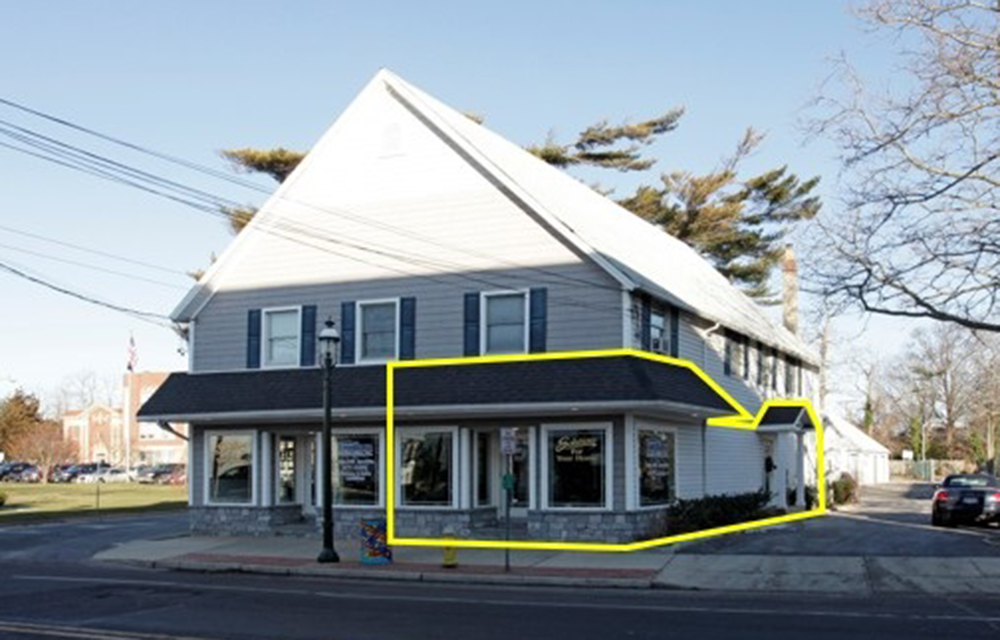
Raffa of Island Associates Real Estate leases 1,700 s/f to Tzanis Mental Health Group at 417 East Main St.
Islip, NY Robert Raffa from Island Associates Real Estate facilitated Tzanis Mental Health Group into 417 East Main St. – a 1,700 s/f office suite. The Tzanis Mental Health Group joins





Quick Hits
 (2).gif)

Columns and Thought Leadership

New York’s streets are full again, and the retail numbers prove it - by Noam Aziz
Walk down any New York block this year and you can feel it. The sidewalks are crowded, the storefronts are lit, and the energy that defines this city is back at full volume.

Positive forecast for New York’s pro-housing push? - by Philip Butler
New York’s housing crisis remains a hot button topic despite growing consensus that varied and affordable housing is desperately needed statewide. Governor Hochul has recently introduced several initiatives to overcome N.Y.’s anti-housing

A guide to finding the right NYC property management company - by Sanjay Gandhi
Being a small to midsize landlord in NYC is an increasingly demanding endeavor. From navigating complex regulations, increased compliance demands to dealing with tenant issues and remediating violations. It is wise to enlist the assistance of a partner, a professional

Hunt commercial real estate question and answer: Fortune 500 wisdom - by David Hunt
Yes, there are lessons to be learned from the largest companies in America when comes to managing your real estate. But the decision to buy or lease real estate may not be one of
.gif)
September Promotion
