



News:
Brokerage
Posted: August 26, 2013
Ezratty of Eastern Consolidated completes $5.5 million retail lease sale; Represents seller, Onyx Corp., and procures buyer
In a transaction that continues the ongoing retail revival of the Upper East Side, Regency East Apartment Corp., the owner of the 18-story, 147-unit Regency East co-op apartment building at 301 East 64th St., has purchased the 13-year master lease on four, ground floor retail units at the building for $5.5 million.
Eastern Consolidated's director Martin Ezratty represented the seller, Onyx Corp, and procured the buyer for the 12,200 s/f retail property, which is home to an 8,000 s/f Gourmet Garage, a 1,500 s/f H&R Block, a 1,800 s/f Furry Paws and a 900 s/f nail salon.
According to Ezratty, the retail units offer an "extraordinary opportunity" for the co-op buyer to capture market-rate rents once the leases expire, as well as to gain the all-important opportunity to control the use of their asset. "The anticipation of the Second Ave. Subway is driving many investors to consider long-term, strategic retail investments close to the new stations," he said, noting that the master lease at 301 East 64th St. expires in April 2026 with no increases in annual rent. "The subtenants are currently below market, and that will change as the neighborhood's access to transit evolves."
Attorneys on the transaction were Alvin Schein Esq. of Seiden & Schein P.C. for the seller, and Jeffrey Diamond Esq. of Marcus, Rosenberg, & Diamond LLP for the buyer.
Situated on the northeast corner of East 64th St. and Second Ave., the retail portion of Regency East is situated on the ground floor of the luxury apartment tower. Centrally located on a tree-lined Lenox hill block, the building is a short walk to Central Park, world-class shopping and dining on Fifth and Madison Aves., and nearby access to the 63rd St./Lexington Ave."F" train station.
Tags:
Brokerage
MORE FROM Brokerage
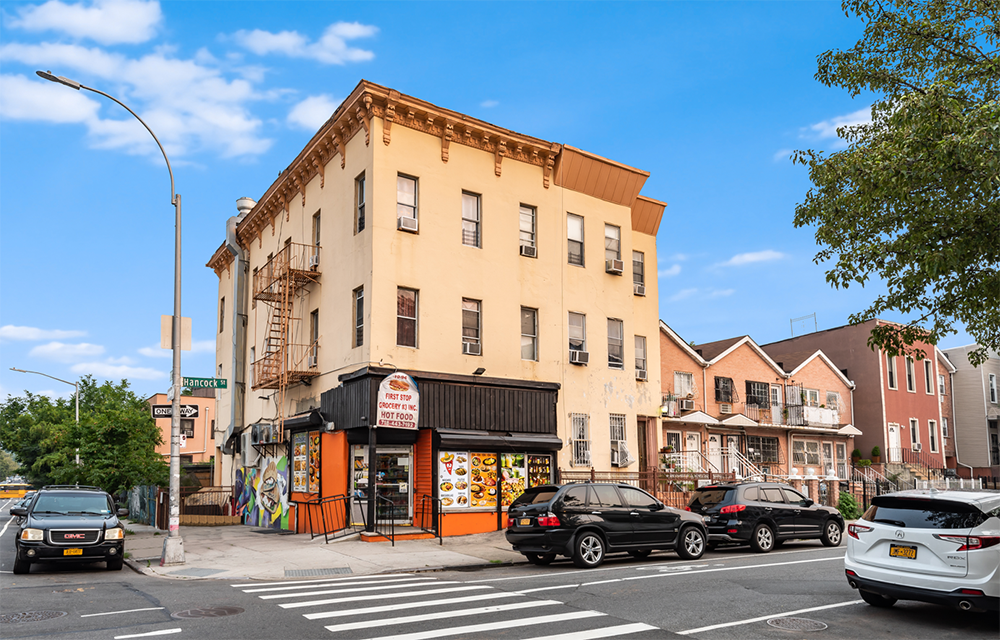
Investment Property Realty Group closes $1.75 million sale of 1094 Hancock Street in Brooklyn
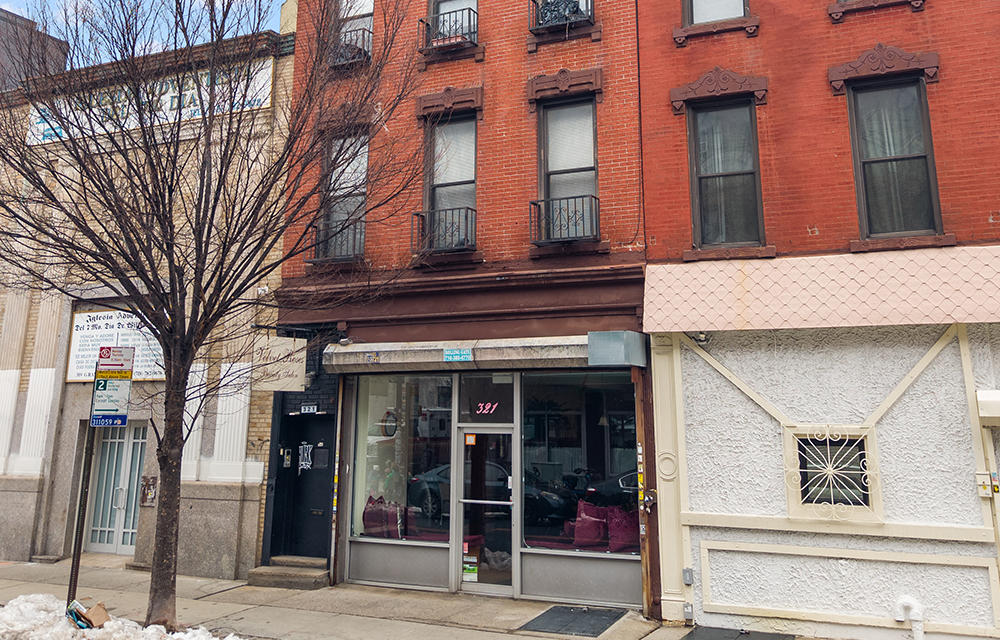
Brooklyn, NY Investment Property Realty Group (IPRG), a New York-based commercial investment firm, has closed the sale of 1094 Hancock St., a mixed-use building in the Bushwick section, for $1.75 million.


 (2).gif)

Columns and Thought Leadership

A guide to finding the right NYC property management company - by Sanjay Gandhi
Being a small to midsize landlord in NYC is an increasingly demanding endeavor. From navigating complex regulations, increased compliance demands to dealing with tenant issues and remediating violations. It is wise to enlist the assistance of a partner, a professional

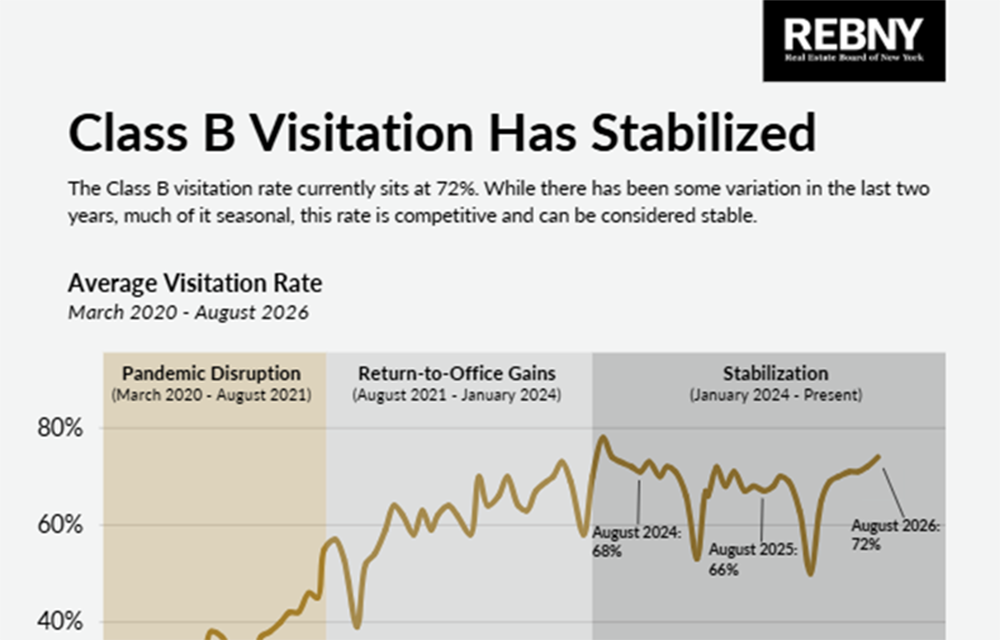
New York’s streets are full again, and the retail numbers prove it - by Noam Aziz
Walk down any New York block this year and you can feel it. The sidewalks are crowded, the storefronts are lit, and the energy that defines this city is back at full volume.

Hunt CRE question and answer: Choosing a real estate agent - by David Hunt
First, we will only work with one agent exclusively. The primary reason is that we want that agent to legally represent our client’s interests. In New York State, a real estate agent has a fiduciary

Hunt commercial real estate question and answer: Fortune 500 wisdom - by David Hunt
Yes, there are lessons to be learned from the largest companies in America when comes to managing your real estate. But the decision to buy or lease real estate may not be one of
.gif)