



News:
Brokerage
Posted: January 10, 2011
EYP designs seven buildings for Bucknell University
Bucknell University has selected EYP Architecture & Engineering to design seven new buildings, including a student living-learning community and two fraternity houses. To be situated on a newly acquired 50-acre parcel adjacent to campus, the university's goals include drawing students back to campus from downtown, off-campus apartments, and providing students with an independent - although still physically attached to campus - lifestyle. As part of EYP's second project for the university, the firm will also prepare a master plan for the 50-acre parcel.
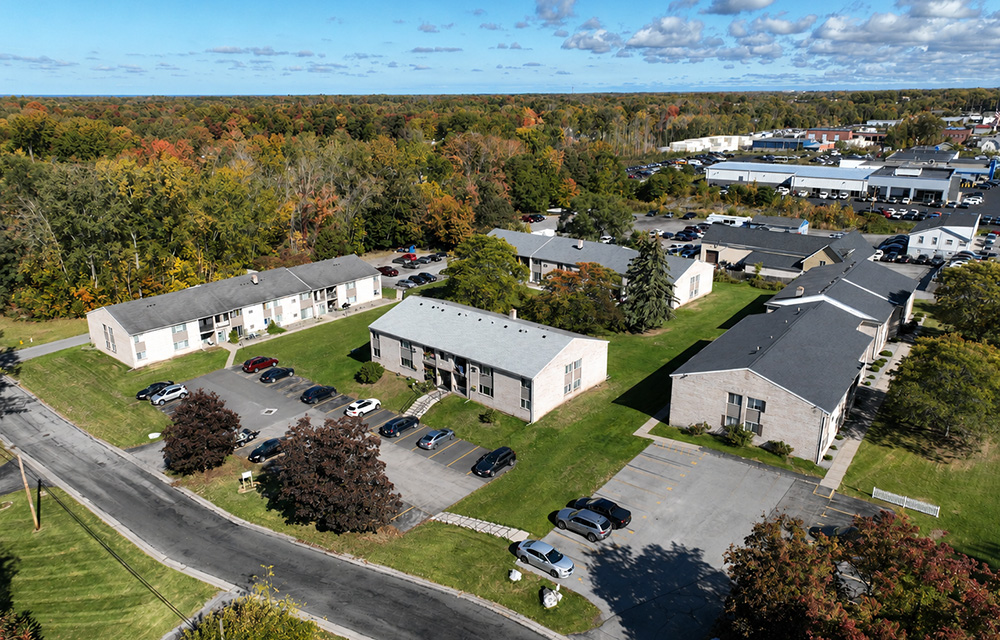
The living-learning community project is comprised of four new apartment style residence halls, each to accommodate 88 students and a resident advisor, and a commons building to serve as a gathering place for the university's seniors. The project will also include the development of two new fraternity houses that are being relocated to allow for construction of two new academic buildings.
Tags:
Brokerage
MORE FROM Brokerage
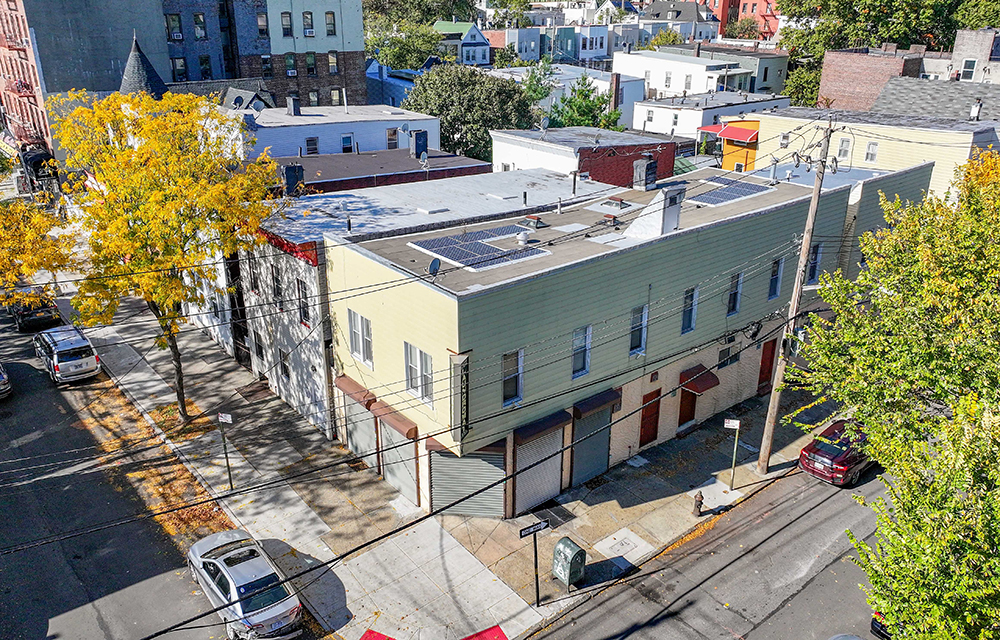
Investment Property Realty Group’s Team Friedman closes five Bronx sales totaling $5.3 million
Bronx, NY Investment Property Realty Group’s (IPRG) Team Friedman closed five sales totaling $5.3 million in the month of September. • 1707 Melville St. sold for $1.35 million. Located in Van Nest, the property




 (2).gif)

Columns and Thought Leadership

Positive forecast for New York’s pro-housing push? - by Philip Butler
New York’s housing crisis remains a hot button topic despite growing consensus that varied and affordable housing is desperately needed statewide. Governor Hochul has recently introduced several initiatives to overcome N.Y.’s anti-housing

Hunt commercial real estate question and answer: Fortune 500 wisdom - by David Hunt
Yes, there are lessons to be learned from the largest companies in America when comes to managing your real estate. But the decision to buy or lease real estate may not be one of

A guide to finding the right NYC property management company - by Sanjay Gandhi
Being a small to midsize landlord in NYC is an increasingly demanding endeavor. From navigating complex regulations, increased compliance demands to dealing with tenant issues and remediating violations. It is wise to enlist the assistance of a partner, a professional

New York’s streets are full again, and the retail numbers prove it - by Noam Aziz
Walk down any New York block this year and you can feel it. The sidewalks are crowded, the storefronts are lit, and the energy that defines this city is back at full volume.
.gif)