



News:
Brokerage
Posted: April 12, 2022
Cushman & Wakefield arrange three leases totaling 92,000 s/f at Two Park Ave.
New York, NY Cushman & Wakefield has arranged three new long-term leases totaling 92,000 s/f for Delta Galil Industries, LT Apparel Group and Essential Brands at Two Park Ave.
Cushman & Wakefield’s Tara Stacom, Mitch Arkin, Peter Trivelas and Mike Tranfalia represented the landlord in the transactions.
“Two Park Ave. has always enjoyed broad appeal, as the building has large floor plates and straddles midtown and midtown south with great access to all the main transportation hubs,” said Stacom. “Our new amenities have proven especially powerful in our marketing efforts over the past several months. Between the tenant lounge with large outdoor space and conference center with rooms of varying sizes, we are able to appeal to tenants looking for dynamic ‘third places’ to offer employees.”
Delta Galil Industries, a manufacturer and marketer of branded and private label apparel products for men, women and children, will occupy approximately 50,000 s/f on the entire 17th floor of the building. The tenant was represented by Lance Korman, Brian Waterman and David Berke of Newmark Knight Frank.
LT Apparel Group, a privately held global children’s apparel company whose portfolio of brands include Adidas kids, Carhartt kids and its own brand, French Toast, the leader in school wear for kids, will occupy 26,000 s/f on the entire 19th floor of the building. The tenant was represented by Amanda Bokman of JLL and David Menaged of Intrepid.
Essential Brands, a privately held apparel and soft home goods company, will occupy approximately 16,000 s/f on the 18th floor of the building. The tenant was represented by Michael Beyda of Benchmark.
A building-wide amenity center is currently underway at Two Park Ave. The amenity center will feature a penthouse lounge with a 4,000 s/f outdoor terrace, a coffee bar, wet bar, pool table, mother’s room, library area and multiple relaxed seating areas. In addition, a large conference center is being built on the ground floor that will include a coffee bar, open seating areas, catering kitchen, 28-person meeting room and a conference room that will seat more than 150 people.
Two Park Ave. is a 1-million s/f office building situated on Park Ave. between 32nd and 33rd St.'s. The 29-story property features 24-hour access, on-site property management and a parking garage.
Tags:
Brokerage
MORE FROM Brokerage
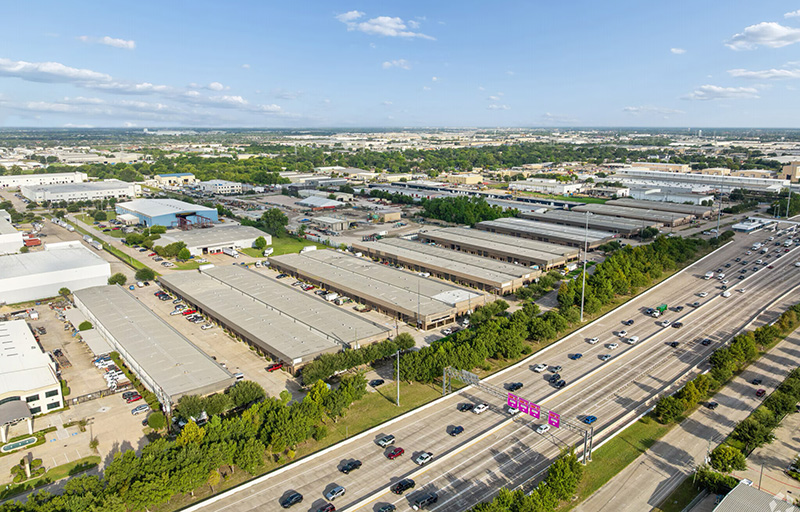
Simi Capital enters Texas with acquisition of 359,000 s/f small-bay industrial portfolio in Northwest Houston
Houston, TX Simi Capital acquired a three-property, 359,000 s/f small-bay industrial portfolio. The transaction, completed in a joint venture with Decker Capital, marks Simi


 (2).gif)

Columns and Thought Leadership

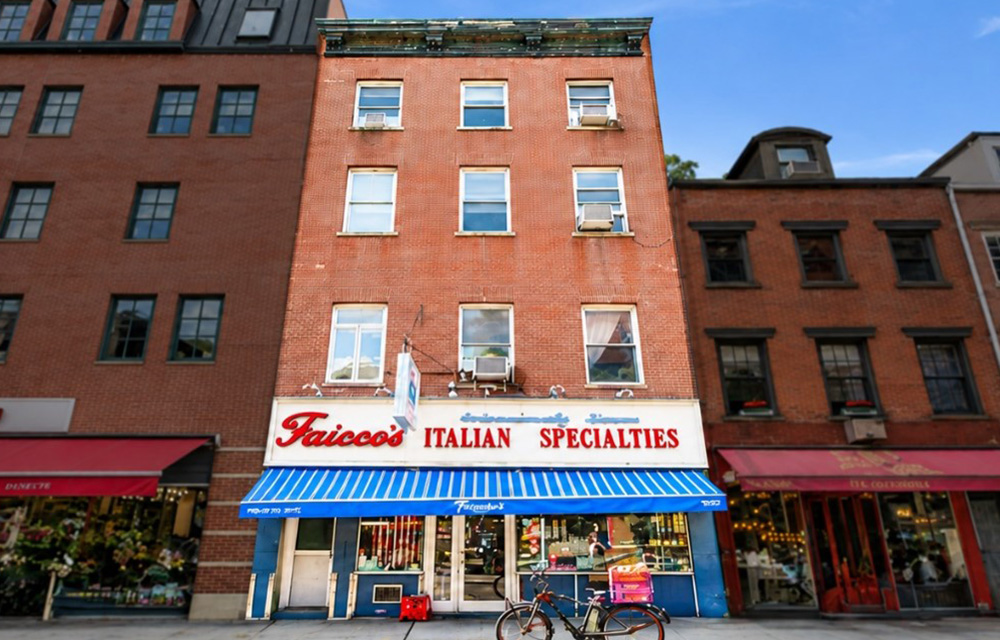
New York’s streets are full again, and the retail numbers prove it - by Noam Aziz
Walk down any New York block this year and you can feel it. The sidewalks are crowded, the storefronts are lit, and the energy that defines this city is back at full volume.

Hunt CRE question and answer: Choosing a real estate agent - by David Hunt
First, we will only work with one agent exclusively. The primary reason is that we want that agent to legally represent our client’s interests. In New York State, a real estate agent has a fiduciary

A guide to finding the right NYC property management company - by Sanjay Gandhi
Being a small to midsize landlord in NYC is an increasingly demanding endeavor. From navigating complex regulations, increased compliance demands to dealing with tenant issues and remediating violations. It is wise to enlist the assistance of a partner, a professional

Hunt commercial real estate question and answer: Fortune 500 wisdom - by David Hunt
Yes, there are lessons to be learned from the largest companies in America when comes to managing your real estate. But the decision to buy or lease real estate may not be one of
.gif)