



News:
Brokerage
Posted: November 28, 2023
Cozen O’Connor releases annual real estate survey
Manhattan, NY New York City real estate professionals’ confidence in the city’s short-term future dropped by a quarter since last year, while pessimism tripled, according to a survey conducted by the law firm of Cozen O’Connor. Interest rates shot to the top of the list of concerns among respondents.
Confidence in the city’s future dropped from an overall 77% of respondents being optimistic down to 51% optimistic, with pessimists jumping from 11% to 32%.
Overall approval of mayor Adams’ handling of real estate issues remained static at 43%, compared to 42% at the end of 2022. The number disapproving his efforts went from 20% to 28%.
Residential, including multifamily and condos and coops, continued to be viewed as the asset class with the highest upside potential but dropped from a combined 56% to a combined 45%. Hospitality showed an uptick from 10% to 17%, with single-digit improvements for commercial office, industrial, and retail.
Concern about anti-real estate sentiment among politicians was steady at 25%, while concern about construction costs dropped from 24% to 14.5%. Return to work rates were slightly less of a concern, while quality of life edged up slightly. The most notable change was interest rates, moving from tied for third (19) last year to first (26.5%).
“The drop in optimism is consistent with the drumbeat of bad news nationally, despite strong job growth and lower inflation,” said Bill Davis, vice chair of the firm’s national Real Estate Practice. “There’s also constant news coverage of the challenges facing cities. Although concern about quality of life in New York, while up, is still at the bottom of the list at 17% and return to work as a problem dropped slightly from 19% to 17%.”
“At the same time,” he added, “hospitality moving from 10% to 17% as an asset class with upside potential is consistent with the return of tourism after the end of the pandemic. As with the national news, people are reacting to their perception of the situation overall and not to their personal experience.”
“It’s not surprising that the residential upside forecast has dropped from 56% to 45%, given the increase in interest rates. If anything, it’s a vote of confidence in the sector that it’s still favored three to one over any other class despite a cutback in mortgage lending and a difficult political environment,” noted Leni Cummins, chair of the firm’s New York Condominium & Cooperative Practice.
“With a second year under his belt, Mayor Adams has solid but not overwhelming approval of his handling of real estate issues,” said Ken Fisher, whose practice focuses on New York real estate policy and regulation. “More concerning is that his disapproval rate went up by the amount that people unsure of his performance went down. In other words, Mayor Adams is not winning new supporters as the industry becomes more familiar with him, although he still has some time before the next election for some of his development initiatives to take hold.”
The anonymous survey was conducted in two parts, in-person at an event in September and online in October 2023. There were 81 responses from a mix of developers, owners, design and financial professionals, brokers, and other consultants.
Tags:
Brokerage
MORE FROM Brokerage
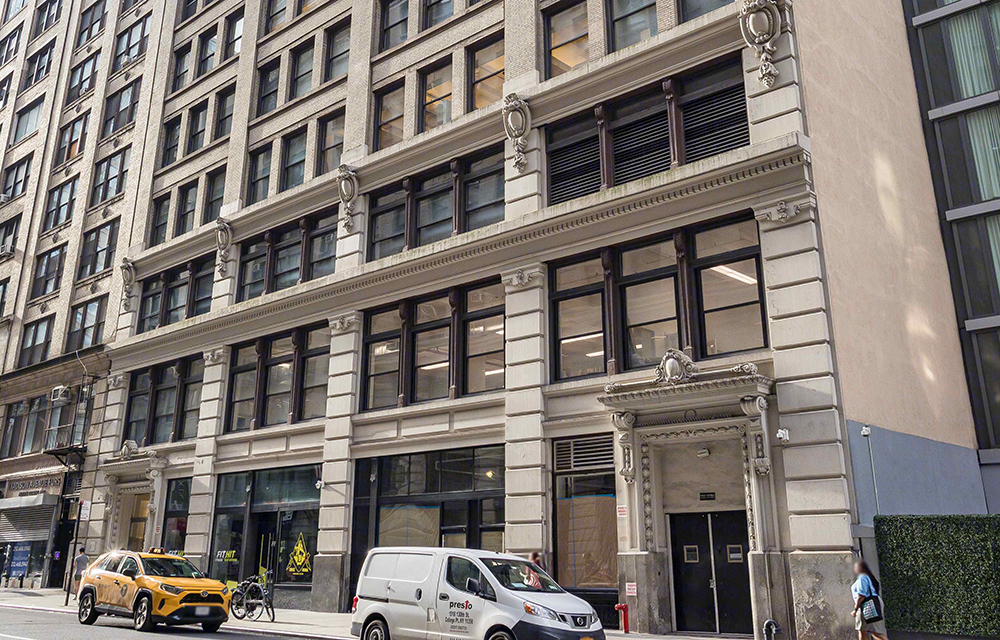
Koeppel Rosen inks 16-year 33,783 s/f lease for coworking firm Nomadworks at 122 West 27th St.
Manhattan, NY According to Koeppel Rosen LLC, leasing and management agent for the Rosen family portfolio, Nomadworks has signed a new 16-year, two-month lease totaling 33,783 s/f at 122 West





Quick Hits

Columns and Thought Leadership

The art of investing in real estate - by Thomas Donovan
Real estate investing is as much an art as it is a skill. No one can time the market, or the factors that drive it, perfectly. Location, zoning, size, transportation, and neighborhood density give you a baseline for

Hunt CRE question and answer: Choosing a real estate agent - by David Hunt
First, we will only work with one agent exclusively. The primary reason is that we want that agent to legally represent our client’s interests. In New York State, a real estate agent has a fiduciary

New York’s streets are full again, and the retail numbers prove it - by Noam Aziz
Walk down any New York block this year and you can feel it. The sidewalks are crowded, the storefronts are lit, and the energy that defines this city is back at full volume.

Hunt commercial real estate question and answer: Fortune 500 wisdom - by David Hunt
Yes, there are lessons to be learned from the largest companies in America when comes to managing your real estate. But the decision to buy or lease real estate may not be one of
.gif)