



News:
Brokerage
Posted: December 15, 2008
Co-op conversions rescue landlords from rent law changes
Owners of apartment buildings are entering a challenging time with the legislature likely to enact significant changes in the rental laws including: eliminating/changing vacancy and luxury decontrol; transferring decision-making authority to the City Council; extending rent stabilization to market rate apartments; and increasing a landlord's obligations for providing services. All these changes will occur simultaneously with the mayor raising real estate taxes and utility charges. This amounts to the perfect storm for landlords who are already struggling to remain profitable. To avoid this situation landlords should consider converting rental buildings to cooperatives.
Although the city has seven times more co-ops than condominiums, the co-op form of ownership fell into disfavor with sponsors in the late 1980s mainly due to the extensive control co-op boards wielded. As a result, sponsors turned almost exclusively to condominium developments/conversions. But, this may be changing since the only difference between co-ops and condominiums comes down to form over substance.
The most obvious reason for a co-op conversion is that landlords can obtain capital gains treatment and also convey the property to the apartment corporation using a 1031 exchange. They can defer the income taxes on the conveyance, which is an important consideration as government agencies consider raising taxes. Another reason for choosing a co-op conversion is the tenants' best interest. A landlord can deliver the building to the apartment corporation subject to the existing indebtedness, enabling them to lower the purchase prices paid by the tenants and making home ownership more affordable.
Also, if the property has commercial space, the landlord could also convert using the condop form of ownership, where they can retain the commercial space and transfer the residential portion to the apartment corporation. It's also important to remember that co-op rules are not required by law, but rather contained in the documents the sponsor's attorneys prepare. Therefore today, more and more conversion documents adjust a board's power to levels commonly found in condominium buildings.
As a result, owners looking to convert properties coming online in a few years when the market improves, can benefit from co-op conversion.
Stuart Saft is a partner at Dewey & LeBoeuf LLP, New York, N.Y.
Tags:
Brokerage
MORE FROM Brokerage
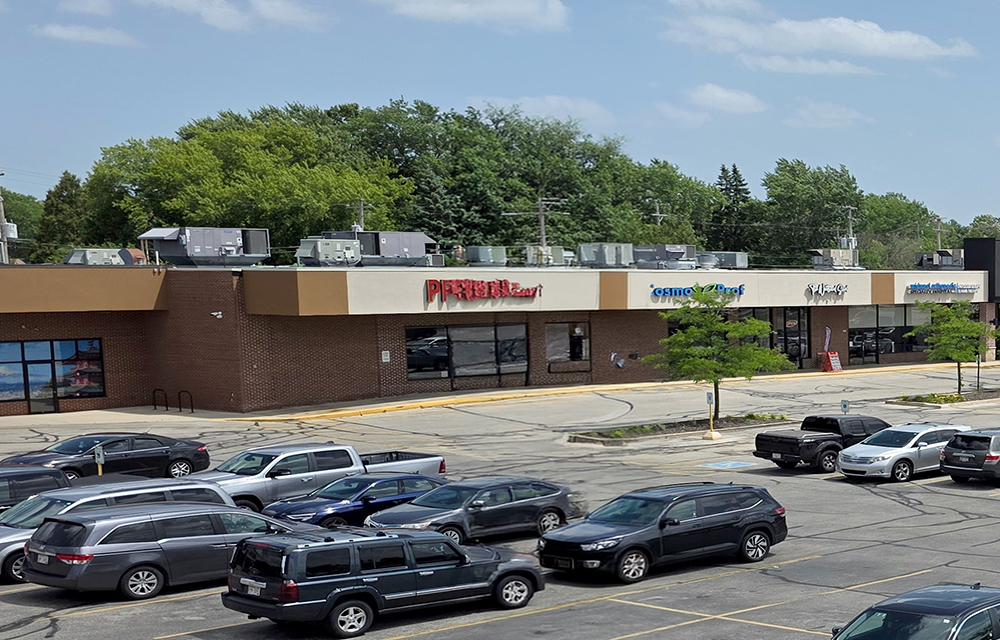
United Properties Corp. expands Wisconsin and Illinois retail presence adding 200,000 s/f
West Allis, WI United Properties Corp. completed two retail acquisitions totaling $27.4 million across Illinois and Wisconsin, adding 205,000 s/f of shopping center space to its portfolio





Quick Hits

Columns and Thought Leadership

Hunt commercial real estate question and answer: Fortune 500 wisdom - by David Hunt
Yes, there are lessons to be learned from the largest companies in America when comes to managing your real estate. But the decision to buy or lease real estate may not be one of

A guide to finding the right NYC property management company - by Sanjay Gandhi
Being a small to midsize landlord in NYC is an increasingly demanding endeavor. From navigating complex regulations, increased compliance demands to dealing with tenant issues and remediating violations. It is wise to enlist the assistance of a partner, a professional

Positive forecast for New York’s pro-housing push? - by Philip Butler
New York’s housing crisis remains a hot button topic despite growing consensus that varied and affordable housing is desperately needed statewide. Governor Hochul has recently introduced several initiatives to overcome N.Y.’s anti-housing

New York’s streets are full again, and the retail numbers prove it - by Noam Aziz
Walk down any New York block this year and you can feel it. The sidewalks are crowded, the storefronts are lit, and the energy that defines this city is back at full volume.
.gif)