



News:
Brokerage
Posted: April 12, 2010
Choosing a PR firm: What matters the most
As the economy improves, owners, brokers, lenders and providers seek to build awareness and credibility. Here is what you need to know about hiring a PR firm.
1. Most firms charge a flat monthly retainer fee with minimum 30-day termination notice. Fees may vary as much as $3,000 to $10,000 depending on services and market factors.
2. New York has fine real estate public relations firms. They have contacts and know real estate.
3. Track record is important but don't underestimate "chemistry." You want a PR counselor you can relate to, who is patient, and who fits your M.O.
4. Spend an hour on the interview. Talk about your business, needs and goals. Let the firm talk about their business and how they would help you. See if they've done their homework on you and how well they understand your business and real estate.
5. The ability to communicate, writing and speaking, is the single most important skill. Ask for examples of what the firm has done for other real estate clients.
6. Check references. It's good if the PR firm has been referred by a happy client and that they are affiliated with real estate or public relations groups.
Harry Zlokower is the president of Zlokower Company, New York, N.Y.
Tags:
Brokerage
MORE FROM Brokerage
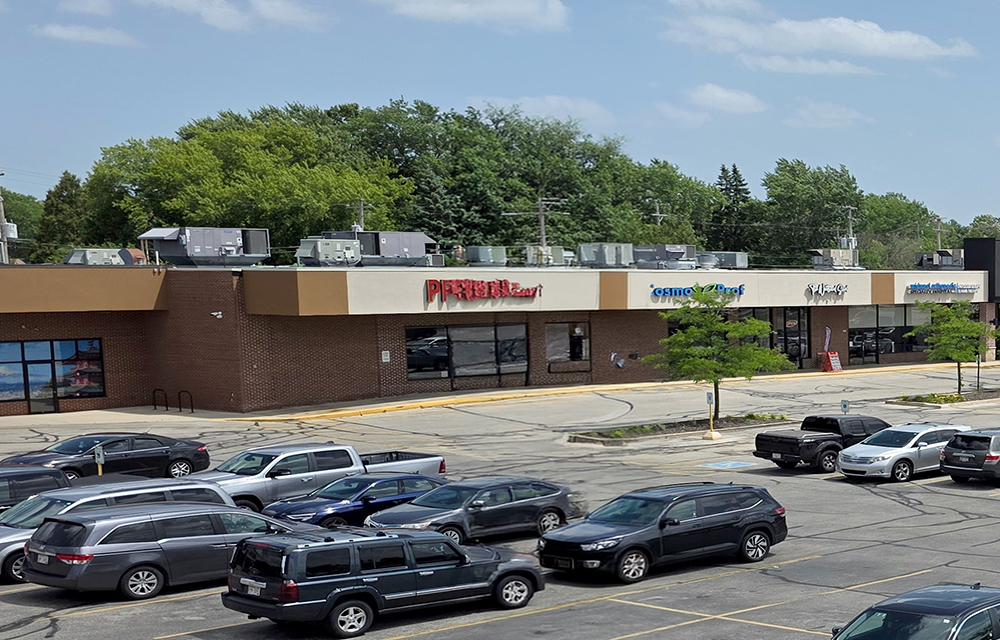
United Properties Corp. expands Wisconsin and Illinois retail presence adding 200,000 s/f
West Allis, WI United Properties Corp. completed two retail acquisitions totaling $27.4 million across Illinois and Wisconsin, adding 205,000 s/f of shopping center space to its portfolio






Columns and Thought Leadership

New York’s streets are full again, and the retail numbers prove it - by Noam Aziz
Walk down any New York block this year and you can feel it. The sidewalks are crowded, the storefronts are lit, and the energy that defines this city is back at full volume.

Hunt commercial real estate question and answer: Fortune 500 wisdom - by David Hunt
Yes, there are lessons to be learned from the largest companies in America when comes to managing your real estate. But the decision to buy or lease real estate may not be one of

Positive forecast for New York’s pro-housing push? - by Philip Butler
New York’s housing crisis remains a hot button topic despite growing consensus that varied and affordable housing is desperately needed statewide. Governor Hochul has recently introduced several initiatives to overcome N.Y.’s anti-housing

A guide to finding the right NYC property management company - by Sanjay Gandhi
Being a small to midsize landlord in NYC is an increasingly demanding endeavor. From navigating complex regulations, increased compliance demands to dealing with tenant issues and remediating violations. It is wise to enlist the assistance of a partner, a professional
.gif)