



News:
Brokerage
Posted: April 26, 2022
CBRE arrange 52,000 s/f of leases at 590 Madison Ave.
New York, NY According to CBRE, they have completed five new leases and one expansion transaction totaling 52,161 s/f office leases at 590 Madison Ave.
Jeffrey Sussman of Edward J. Minskoff Equities along with CBRE’s Steve Siegel, Evan Haskell, Brett Shannon, James Ackerson and Taylor Scheinman represented building ownership. The asking rent was in the range of $125 to $145 per s/f.
“As one of the most prestigious office properties in the Plaza District, 590 Madison Ave. is well positioned to serve the real estate needs of boutique financial services companies, which have been very resilient and are extremely active in the market,” said Edward Minskoff, president of the eponymous firm. “Our robust amenity program including a tenant-only fitness club with state of the art equipment, golf simulator, yoga studio, locker rooms and curated fitness classes, a conference center, and tenant lounge provide an office environment ideally suited for the desires of the new workforce.”
The amenity offering bolsters the characteristics that have historically supported the position of 590 Madison Avenue and the Plaza District as one of Manhattan’s most desirable buildings and submarkets: proximity to and views of Central Park, walkability to residential neighborhoods, and connectivity to mass transit.
Among the new lease transactions was a 13,743 s/f commitment by Reverence Capital Partners, represented by Daniel Wilpon of CBRE. Reverence will be relocating to part of the 29th floor of 590 Madison Ave.
In other new deals, EF Hutton leased 11,057 s/f of space on part of the 39th floor in a transaction arranged by CBRE’s Ryan Alexander; Consello committed to a 9,511 s/f lease on part of the 28th floor, represented by CBRE’s Matthew McBride; and Compass Group took 7,613 s/f of office space on the 33rd floor and will relocate its offices from 135 East 57th St.
Additionally, Nexans Group inked a 3,674 s/f lease for part of the 40th floor.
Islet Management renewed and expanded its presence at 590 Madison Ave., signing a new 6,563 s/f office lease, more than doubling its operations on part of the 27th floor.
David Kaplansky of Colliers represented Compass, TJ Hochanadel of JLL represented Nexans, and Brian Goldman and Michael Horn of Newmark represented Islet in the negotiations.
Tags:
Brokerage
MORE FROM Brokerage
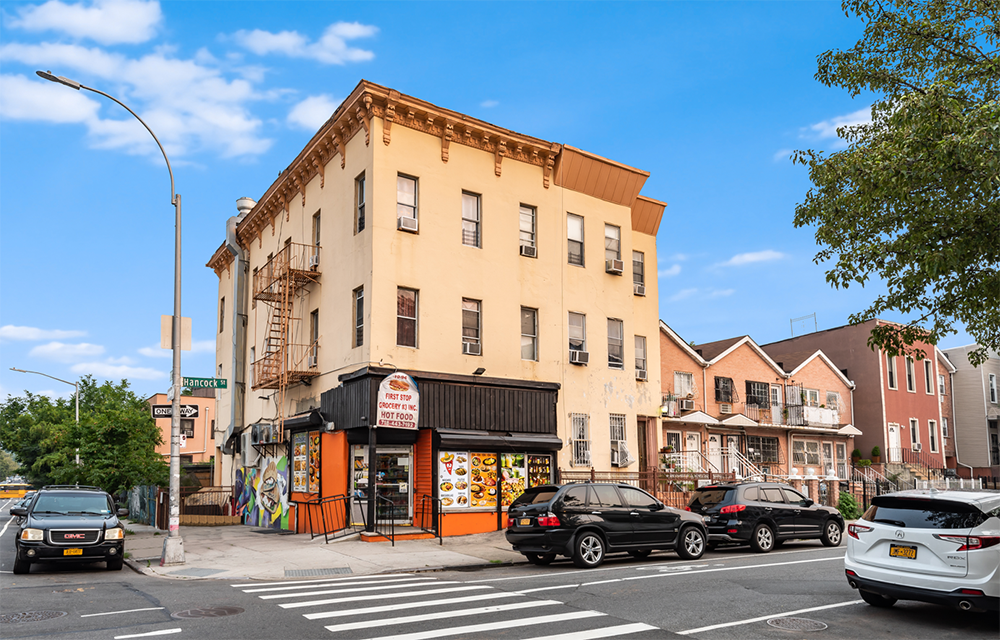
Investment Property Realty Group closes $1.75 million sale of 1094 Hancock Street in Brooklyn
Brooklyn, NY Investment Property Realty Group (IPRG), a New York-based commercial investment firm, has closed the sale of 1094 Hancock St., a mixed-use building in the Bushwick section, for $1.75 million.



 (2).gif)

Columns and Thought Leadership

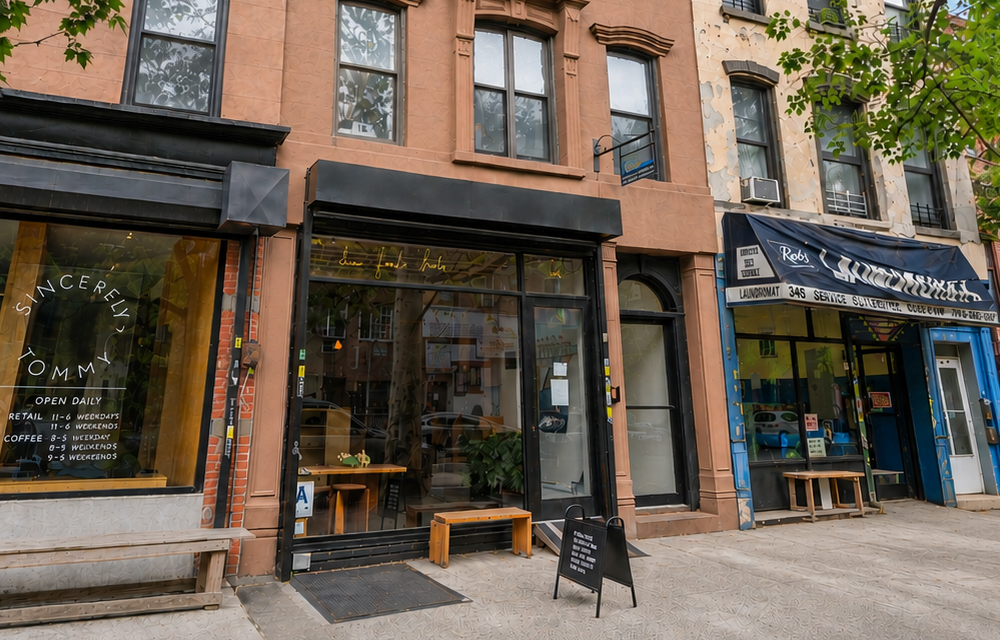
A guide to finding the right NYC property management company - by Sanjay Gandhi
Being a small to midsize landlord in NYC is an increasingly demanding endeavor. From navigating complex regulations, increased compliance demands to dealing with tenant issues and remediating violations. It is wise to enlist the assistance of a partner, a professional

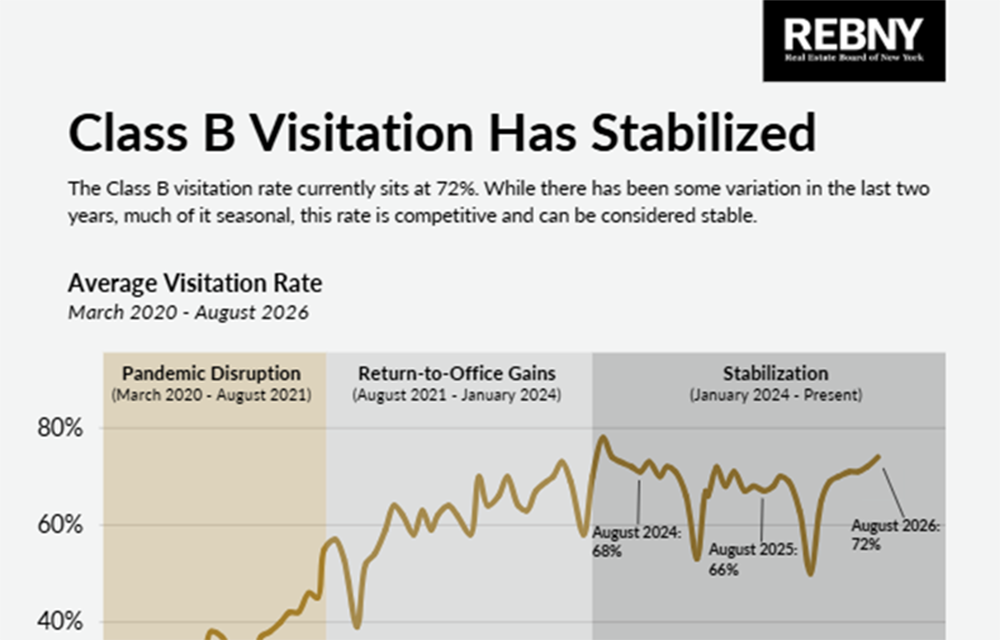
New York’s streets are full again, and the retail numbers prove it - by Noam Aziz
Walk down any New York block this year and you can feel it. The sidewalks are crowded, the storefronts are lit, and the energy that defines this city is back at full volume.

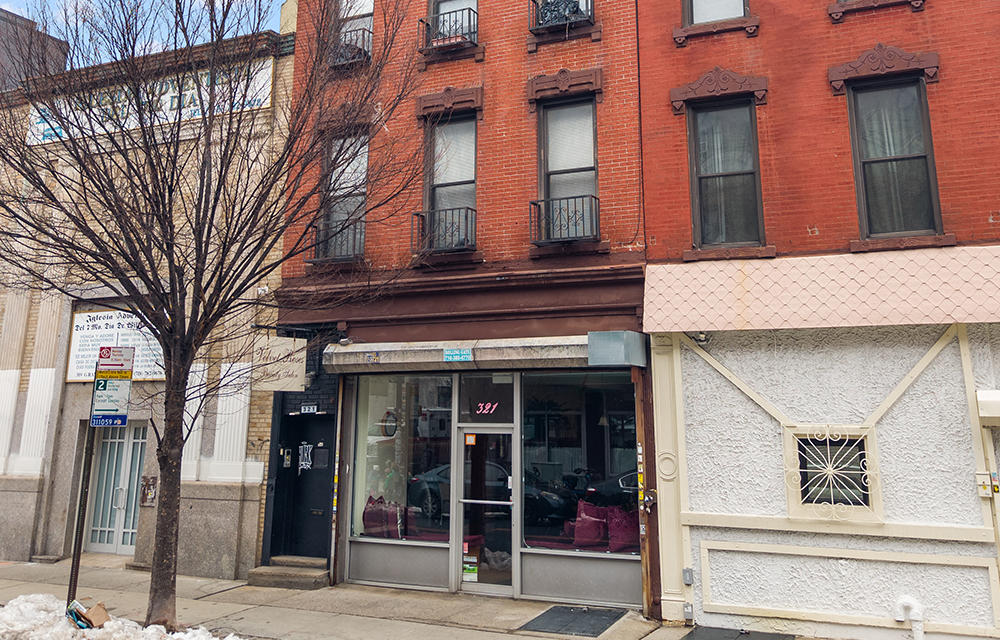
Hunt CRE question and answer: Choosing a real estate agent - by David Hunt
First, we will only work with one agent exclusively. The primary reason is that we want that agent to legally represent our client’s interests. In New York State, a real estate agent has a fiduciary

Hunt commercial real estate question and answer: Fortune 500 wisdom - by David Hunt
Yes, there are lessons to be learned from the largest companies in America when comes to managing your real estate. But the decision to buy or lease real estate may not be one of
.gif)