



News:
Brokerage
Posted: March 31, 2026
Avison Young brokers sale of 22,285 s/f retail building at 446 W 14th St. for $23.5 million
 Manhattan, NY Avison Young brokered the sale of a 22,285 s/f retail building located at 446 W 14th St. in the Meatpacking District for $23.5 million to a joint venture between Klosed Properties and Namdar Realty Group. The property is fully leased to Puttery, an upscale mini golf bar concept.
Avison Young principal and head of U.S. investment sales James Nelson and directors Brent Glodowski, Mitchell Levine and Noah Kossoff of the firm’s Tri-State investment sales team represented the seller, Meatpacking Retail LLC in the disposition. Klosed Properties managing director Steven Kashanian and Namdar Realty Group CEO Igal Namdar led the deal on behalf of the joint venture.
The three-story property features over 50-ft. of frontage along West 14th St., which has undergone a transformation into one of the borough’s most sought-after retail corridors. Puttery has invested significant capital in the space including building out a commercial kitchen, two themed mini golf courses and four full-service bars, reinforcing their long-term commitment to this flagship location. Backed by Drive Shack Inc., a publicly traded leisure and entertainment operator, Puttery benefits from a corporate lease guaranty and has approximately eight years of term remaining on a NNN lease, with the tenant responsible for 100% of real estate taxes.
“In a market where quality retail is increasingly hard to find, this property stands out as a stabilized, best-in-class asset with strong demand fundamentals and long-term value,” said Nelson. “The fully built-out lower level and year-round rooftop bar and event space maximizes functionality and revenue potential, offering investors a rare combination of long-term income security, high-profile tenancy and institutional-quality real estate.”
According to Avison Young’s Q4 Manhattan property sales report, retail transaction activity increased 6% quarter-over-quarter even as overall dollar volume declined, pointing to continued buyer selectivity.
MORE FROM Brokerage
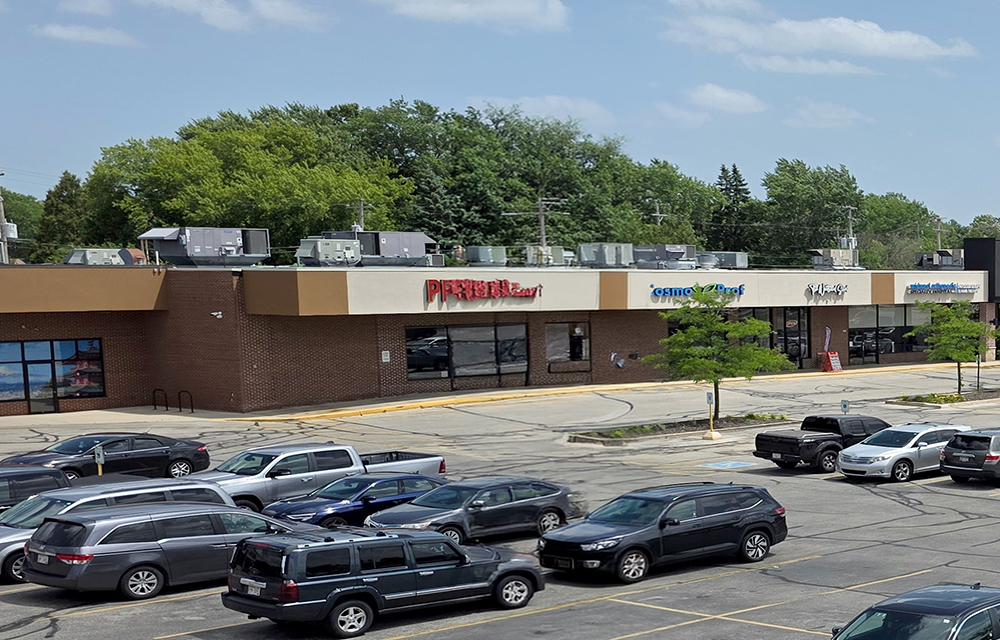
United Properties Corp. expands Wisconsin and Illinois retail presence adding 200,000 s/f
West Allis, WI United Properties Corp. completed two retail acquisitions totaling $27.4 million across Illinois and Wisconsin, adding 205,000 s/f of shopping center space to its portfolio


Quick Hits

Columns and Thought Leadership

Positive forecast for New York’s pro-housing push? - by Philip Butler
New York’s housing crisis remains a hot button topic despite growing consensus that varied and affordable housing is desperately needed statewide. Governor Hochul has recently introduced several initiatives to overcome N.Y.’s anti-housing

A guide to finding the right NYC property management company - by Sanjay Gandhi
Being a small to midsize landlord in NYC is an increasingly demanding endeavor. From navigating complex regulations, increased compliance demands to dealing with tenant issues and remediating violations. It is wise to enlist the assistance of a partner, a professional

Hunt commercial real estate question and answer: Fortune 500 wisdom - by David Hunt
Yes, there are lessons to be learned from the largest companies in America when comes to managing your real estate. But the decision to buy or lease real estate may not be one of

New York’s streets are full again, and the retail numbers prove it - by Noam Aziz
Walk down any New York block this year and you can feel it. The sidewalks are crowded, the storefronts are lit, and the energy that defines this city is back at full volume.
.gif)