



News:
Brokerage
Posted: May 18, 2021
Annual interested director/manager reports for condominiums and cooperatives - by Thomas Kearns

In 2018 New York’s legislature passed new Section 727 of the Business Corporation Law (BCL) requiring annual disclosure to condominium unit owners and housing cooperative shareholders of any contracts with a third party in which a director of the cooperative or a manager of the condominium has a “substantial financial interest in” that was approved by the board during the prior year. From my vantage point compliance has been spotty. First, many managing agents appear not be aware of the requirements (an annual report is required whether or not a contract with an interested director is actually entered into during the year). Second, the penalties for non-compliance are unclear. There are no penalties set forth in the statute itself and no reported cases were found on the imposition of any penalties. But the statutory obligation exists, and condominium and cooperative boards should take steps to comply.
No doubt passed with good intentions and to curb abuses, the statute has some curious anomalies. First, while the director must have a “substantial” interest in the contractor, there is no materiality standard as to the transaction. Must a board report a $250 fee paid to a director’s law firm for a favor be reported? It appears so. Second, what about contracts that have ongoing reporting obligations or true-ups like a management agreement or a lease for space? Does it get reported once, or every year? It seems the correct answer is every year, but no statutory guidance is given. Third, while the statute names condominiums as being covered by the law, the statute itself refers to directors and not managers, the statutory name for the members of the board of a condominium. And no mention is made of the fact that condominiums are not governed by the BCL at all! They are governed by New York’s Real Property Law. Fourth, the statute does not exempt commercial condominiums so that sophisticated commercial condominiums that may have a plethora of pre-negotiated interested transactions must nevertheless report those transactions to themselves in order to comply with the law. No wonder the typical businessperson questions the wisdom of lawyers and the legislature!
The statute requires that each director sign the annual report. Really? A co-op or condominium can sign a multi-million-dollar contract with one signature as long as the board approves but the Section 727 report is so important that each director must sign? The statute also requires that each director receive a copy of BCL Section 713 annually. Section 713 is the statute that defines the requirements for approving interested transactions in the first place. Section 727 does not apply to New York corporations that are not cooperative housing corporations nor to New York LLCs that own real estate.
So, what happens if a board fails to comply? Creative plaintiffs may allege all sorts of things including perhaps trying to unravel the interested transaction. Perhaps a damages claim is possible, although most boards entering into an interested transaction should be counseled to make sure the transaction is fair economically to the condominium or cooperative before approving. If the goal of the statute was to force boards to reveal favors that they do for each other, maybe the annual Section 727 report will do that. And maybe directors will think twice about asking for approval of an interested transaction if the managing agent mentions that the transaction will have to be reported in the annual Section 727 report.
If you are on a board, make sure the annual report is sent. If you are a shareholder or unit owner, feel free to ask to see the report every year.
Thomas Kearns is a partner with Olshan Frome Wolosky LLP’s real estate department, New York, N.Y.
Tags:
Brokerage
MORE FROM Brokerage
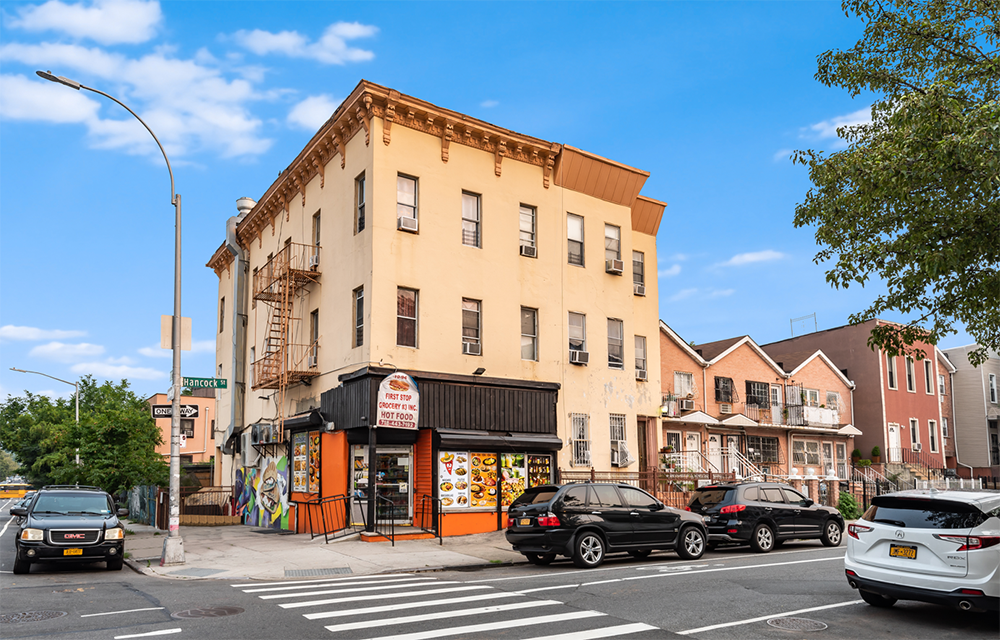
Investment Property Realty Group closes $1.75 million sale of 1094 Hancock Street in Brooklyn
Brooklyn, NY Investment Property Realty Group (IPRG), a New York-based commercial investment firm, has closed the sale of 1094 Hancock St., a mixed-use building in the Bushwick section, for $1.75 million.


Quick Hits
 (2).gif)

Columns and Thought Leadership

Hunt commercial real estate question and answer: Fortune 500 wisdom - by David Hunt
Yes, there are lessons to be learned from the largest companies in America when comes to managing your real estate. But the decision to buy or lease real estate may not be one of

Hunt CRE question and answer: Choosing a real estate agent - by David Hunt
First, we will only work with one agent exclusively. The primary reason is that we want that agent to legally represent our client’s interests. In New York State, a real estate agent has a fiduciary

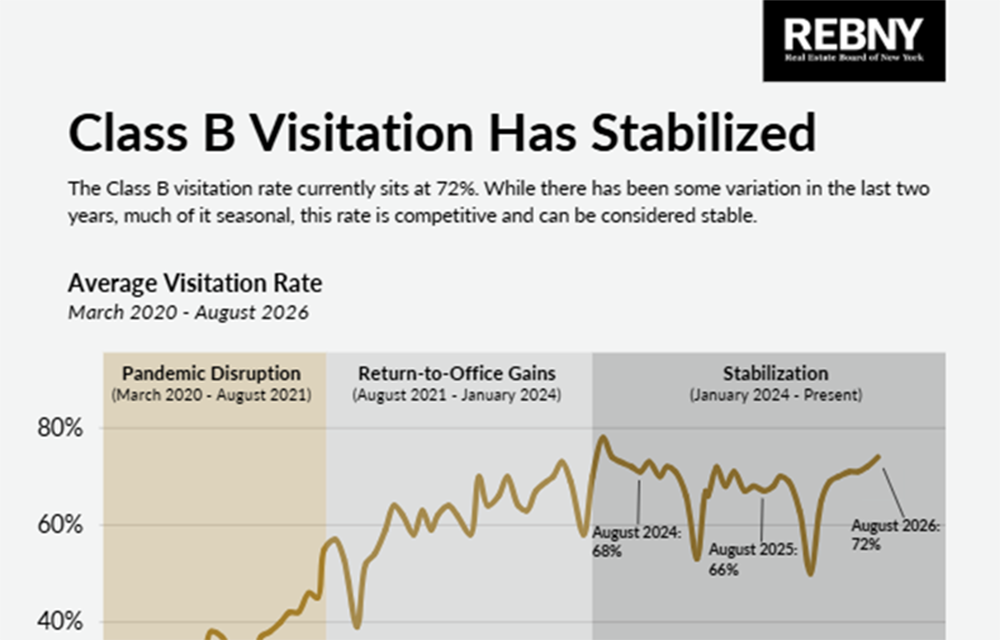
New York’s streets are full again, and the retail numbers prove it - by Noam Aziz
Walk down any New York block this year and you can feel it. The sidewalks are crowded, the storefronts are lit, and the energy that defines this city is back at full volume.

A guide to finding the right NYC property management company - by Sanjay Gandhi
Being a small to midsize landlord in NYC is an increasingly demanding endeavor. From navigating complex regulations, increased compliance demands to dealing with tenant issues and remediating violations. It is wise to enlist the assistance of a partner, a professional
.gif)