



News:
Brokerage
Posted: February 29, 2008
151 Wooster: A collection of ten 3,000 s/f lofts and two penthouses created by alfa development and architect Skolnick
Inspired by the original concept of loft living as defined by the revolutionary artists who made SoHo iconic, developers Michael & Izak Namer of alfa development, together with architect Lee Skolnick, present 151 Wooster. A collection of ten 3,000 s/f loft homes and two penthouses, 151 Wooster is both an attitude and artistic enclave where creativity leads a cosmopolitan lifestyle. It is, as Skolnick describes it, "a celebration of artistic life."
Located in the nexus of what was SoHo's "art-market power" in the '80s and '90s, 151 Wooster (between Prince and Houston) is defined by the era's fledgling artistic community that was beginning to take hold. In 1968, The Paula Cooper Gallery, one of the first art galleries to exhibit in New York's SoHo district, opened in the building-with a notorious first show that benefited the Student Mobilization Committee to End the War in Vietnam and included works by Carl Andre, Dan Flavin, Donald Judd, Robert Mangold, Sol LeWitt and Robert Ryman. Then, in 1973, legendary art-critics Edit Deák, Walter Robinson, and Joshua Cohn co-founded Art-Rite Magazine in the building's 8th floor loft apartment where, for more than a decade, Deák took up residence. Deák's loft at 151 Wooster often played host to artist gatherings, which were frequented by Jean-Michel Basquiat and Fab 5 Freddy (Fred Brathwaite).
Today, 151 Wooster mixes the best of both luxury living and the quintessential SoHo experience-offering residents an artistic, "loftier" way of life while providing the ultimate in today's most inspiring and sophisticated living spaces.
"As a longtime SoHo resident as well as a practicing artist and developer, it was important to me that 151 Wooster reflect authentic SoHo living," said alfa development principal, Michael Namer. "Those residents who appreciate classic SoHo want to incorporate the latest amenities within a home's historical context and architectural detail."
Original vaulted ceilings, wide-plank hardwood floors, stone-clad fireplaces, and architecturally authentic wood-frame windows combine to give the residences at 151 Wooster a uniquely historic and tailored feel. Making the choice to include high efficiency and non-polluting systems, as well as utilizing renewable resources throughout the project's design, 151 Wooster pushes the boundaries of the 21st century living experience.
The penthouse that sits atop 151 Wooster is custom designed for connoisseurs of quality and distinction-whose aesthetic vision is as far-reaching as the downtown experience itself. Adhering to Skolnick's conviction that "modern has become classic," this modernist pavilion, with its details and views of the NYC skyline, represent the absolute finest in 21st century cosmopolitan living.
Renowned for developing innovative and remarkable properties in the borough for over 25 years, the Namer brothers have built a reputation for being "hands-on builders," actively involved in every facet and detail of their properties' development.
As residents of the area, the Namers have a firsthand feel for the downtown experience. Their guiding principal is best articulated in their theme line: "History and architecture on a human scale." Some of their projects include The Loft, at 130 East 12th St.; The Zachary, 125 East 12th St.; 197 Prince St.; 136 Sullivan St.; 65 Thompson St.; 54 Spring St.; 123 Sullivan St.; and their most recent project, Jefferson Court Condominiums at 134 West 10th St. & 11 Christopher St.
True to their philosophy and empowered by the experience and expertise they've gained over the past three decades, the Namer brothers' new project, 151 Wooster, continues in their refinement of the downtown experience. Expected occupancy for this project is this summer.
The Corcoran Group Marketing has been selected as the exclusive marketing and sales agent with sales directors Jim Brawders, Meris Blumstein, and Kenny Blumstein leading the team.
Tags:
Brokerage
MORE FROM Brokerage
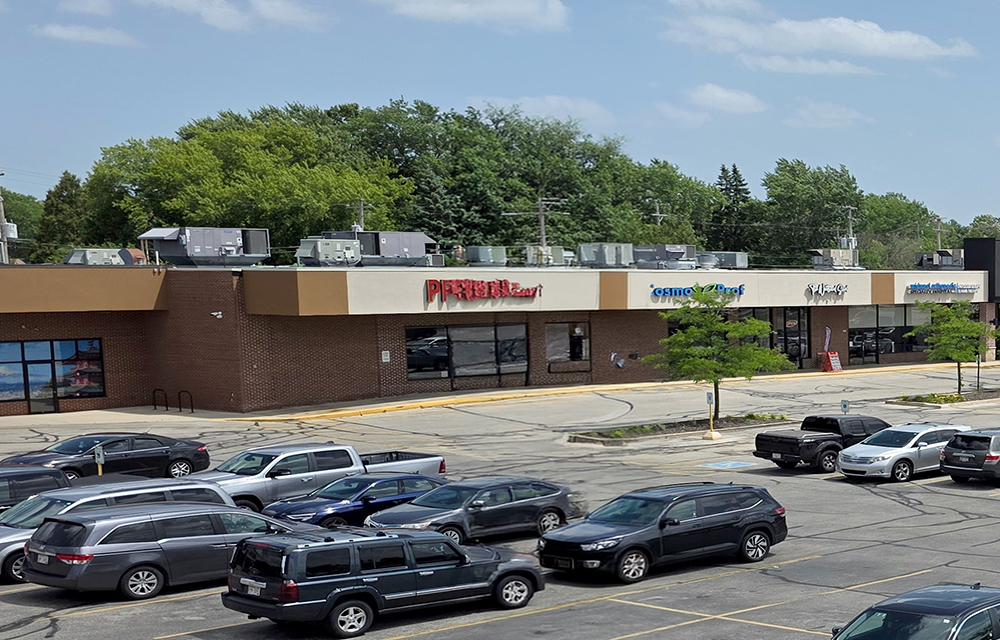
United Properties Corp. expands Wisconsin and Illinois retail presence adding 200,000 s/f
West Allis, WI United Properties Corp. completed two retail acquisitions totaling $27.4 million across Illinois and Wisconsin, adding 205,000 s/f of shopping center space to its portfolio



Columns and Thought Leadership

A guide to finding the right NYC property management company - by Sanjay Gandhi
Being a small to midsize landlord in NYC is an increasingly demanding endeavor. From navigating complex regulations, increased compliance demands to dealing with tenant issues and remediating violations. It is wise to enlist the assistance of a partner, a professional

New York’s streets are full again, and the retail numbers prove it - by Noam Aziz
Walk down any New York block this year and you can feel it. The sidewalks are crowded, the storefronts are lit, and the energy that defines this city is back at full volume.

Hunt commercial real estate question and answer: Fortune 500 wisdom - by David Hunt
Yes, there are lessons to be learned from the largest companies in America when comes to managing your real estate. But the decision to buy or lease real estate may not be one of

Positive forecast for New York’s pro-housing push? - by Philip Butler
New York’s housing crisis remains a hot button topic despite growing consensus that varied and affordable housing is desperately needed statewide. Governor Hochul has recently introduced several initiatives to overcome N.Y.’s anti-housing
.gif)