



News:
Brokerage
Posted: June 10, 2013
Harbec and NYSERDA begin operation of $2.4m wind turbine project; 850-Kilowatt turbine is largest of on-site wind program
A major wind turbine project funded by Harbec Inc. and the New York State Energy Research and Development Authority (NYSERDA) has started operation at the Wayne Industrial Sustainability Park, bringing wind power to three local businesses that employ a total of nearly 200 people.
The 850-kilowatt (kW) turbine, with blades 300 feet above the ground, cost $2.4 million and was funded in part by a $400,000 incentive from NYSERDA's On-Site Wind Turbine Incentive Program. This is the largest wind turbine funded through this program and will generate more than 2 million kilowatt-hours of electricity per year. The program offers incentives for rural homes, farms and municipalities seeking wind power.
The owner of the turbine is Harbec, a 140-employee plastic manufacturer located at the industrial park. Power from the turbine is shared between Harbec and two smaller firms: Sustainable Energy Developments, a wind and solar project developer and installer of the new turbine; and Upstate Oil Collection Inc., a company that recycles fryer waste oil for the biodiesel industry.
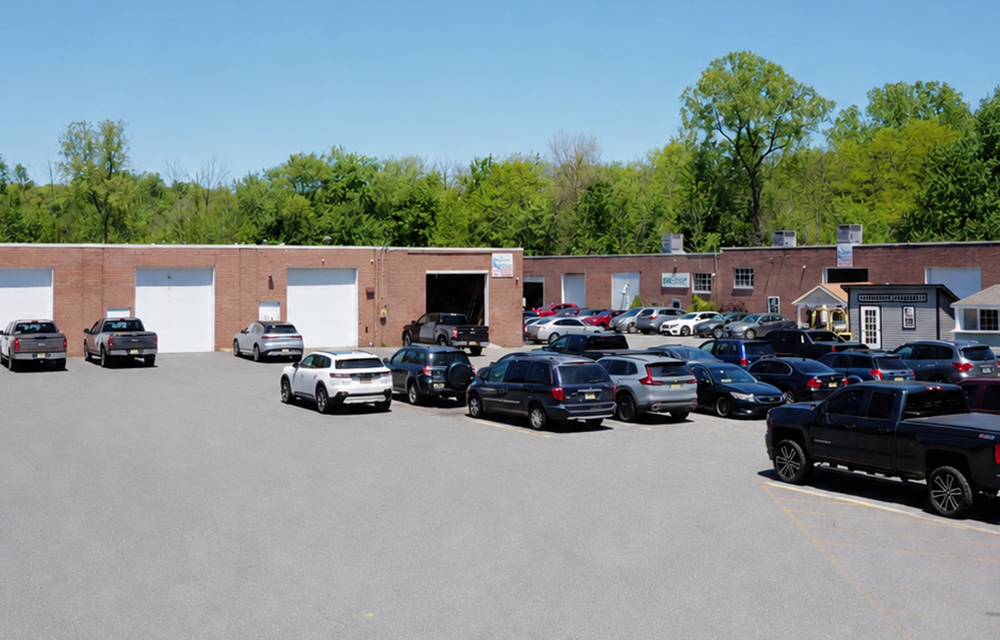
The business park was built in 2008. Built on a former farm, the site is a few miles from the windswept coast of Lake Ontario. Park officials own another 48 acres of vacant land that they expect to develop into future business space.
The installation is called a "behind the meter" project because any clean-energy power not used by the businesses will be transferred to the power grid in exchange for credit on future power bills.
"Wind is a very important part of New York's diverse renewable energy portfolio, and projects like this one with Harbec demonstrate the power that public-private partnerships can have in developing the state's clean-energy economy," said Francis Murray Jr., president and CEO, NYSERDA.
"The development of renewable energy has been strongly supported by Governor Cuomo as a way of ensuring New Yorkers have access to clean, reliable and affordable energy."
Harbec has a long history with renewable energy. The company purchased its first wind turbine, a
250-kW installation, more than 10 years ago. Even earlier than that, the firm invested in a 750-kW combined heat and power (CHP) system, which allowed the firm to generate its own electricity with high-efficiency gas turbines, while using the exhaust heat from the generators for its heating, air-conditioning and processing requirements.
"NYSERDA funding was vital in helping me decide to invest in such a large turbine," said Bob Bechtold, president of Harbec. "I would consider investing in even more wind turbines or other clean-energy equipment in the future."
Bechtold said his company consumes more than three million kilowatts of energy each year, and before installation of the turbine, energy costs made up 6 to 8 percent of the company's yearly expenses. The turbine is expected to save the company up to $200,000 a year in electricity costs.
"If you can take a big bite out of 6 to 8 percent, that's very significant," he said. "The first turbine took less than eight years to pay for itself, and it has a 20- to 30-year life. That's a wonderful upside for this business."
Bechtold, originally a tool and die maker, began the company 36 years ago. It now operates 24 hours a day, five days a week. A lifelong tinkerer with an interest in the power of wind and water, Bechtold installed his first wind turbine at his home in 1980. Today, the firm receives two-thirds of its power from renewable sources, and buys green energy from the grid to make up the rest. The company will buy carbon credits to make the firm "carbon-neutral" by the end of the year. The company is also working with plastics made from plant or animal materials to reduce products made from fossil fuels.
Harbec has also received other incentives from NYSERDA. Two years ago, the company received $150,000 to improve the energy efficiency of its manufacturing equipment. In 2012, the company was awarded $740,000 to upgrade its combined heat and power system to make it more efficient.
NYSERDA's On-Site Wind program began in 2007. Since then, the program has funded 146 wind turbines, for a total of 2,800 MW of clean-energy potential.
Tags:
Brokerage
MORE FROM Brokerage

AmTrustRE secures 5,754 s/f lease with GKV Architects at 360 Lexington Avenue
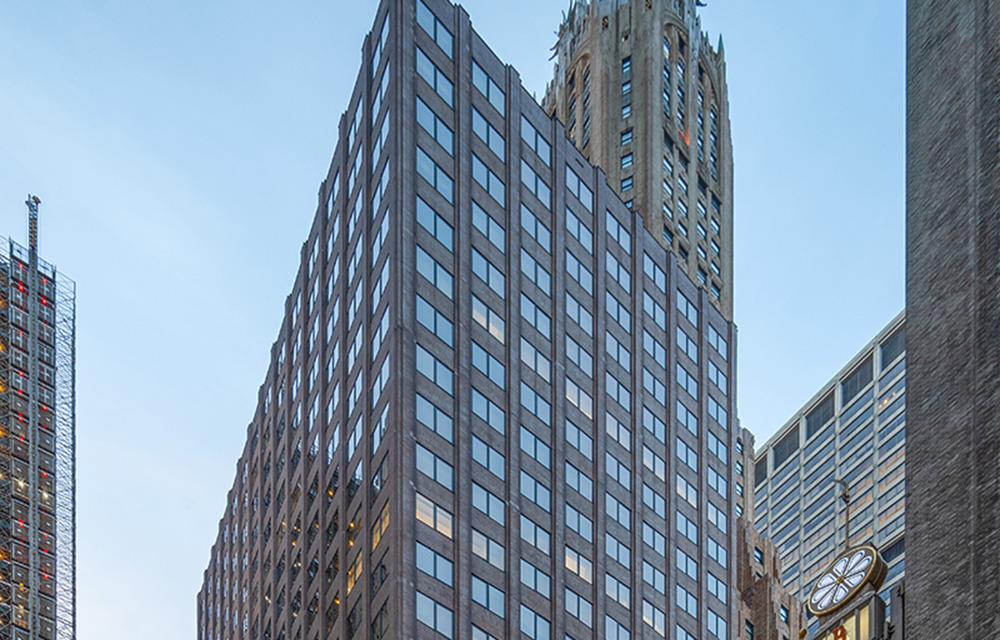
Manhattan, NY AmTrustRE has executed a 5,754 s/f lease at its premier boutique Midtown East office tower, 360 Lexington Ave., with longtime partner GKV Architects. The award-winning firm will occupy a portion of the 14th floor. >“GKV Architects has been a trusted partner to AmTrustRE for over two decades, playing an integral role in shaping and elevating several





Columns and Thought Leadership

The death of the generic offering memorandum: What buyers expect in 2025 - by Kimberly Zar Bloorian
There was a time when an offering memorandum (OM) was pretty bare bones, some photos, a few bullet points on income, and a rent roll thrown in at the back. That used to get the job done. Not anymore. In 2025, buyers are sharper, faster, and more selective. They’re looking

A fresh start - by Shallini Mehra and Amit Doshi
For the past several years, the New York City multifamily housing market has been defined by disruption. The combined impact of the HSTPA rent laws and a sharply higher interest rate environment has fundamentally reduced

Tri-state capital migrates nationally amid regulation pressure - by Reese Weaver
New York tri-state multifamily investors are increasingly reallocating capital to less-regulated markets across the U.S. as rent control and legislative risk erode returns at home. With over 60% of New York City’s rental housing stock classified as rent-stabilized, the traditional value-add model — buying under-performing buildings,

The anticipated effect of Basel III and ISO 20022 implementation on commercial real estate - by Michael Zysman
July 1, 2025 is the deadline for US banks to begin to adopt Basel III banking standards and July 14, 2025 is the deadline for U.S. banks to adopt ISO 20022 messaging standards. Both will have a significant effect on the banking and commercial real estate (CRE) finance sectors.
