



News:
Brokerage
Posted: June 10, 2013
Commentary on the 2013 Buffalo area apartment market
Multifamily sales in the Buffalo market, together Erie and Niagara counties, totaled $125 million in 2012, double the 2011 total. There is interest in all classes and price levels of apartment investment. Apartment leasing is strong, occupancy rates are above 95%, and rents are increasing; a perfect scenario for buyers making long term leveraged real estate investments. Reis, Inc. reports a third quarter 2012 Buffalo apartment vacancy of 3.4% and rent growth of 2.6%.
These results are driving changes in the makeup of the local real estate landscape; the low vacancy is attracting new developers to the market. Uniland Development, a prominent office developer, has announced plans for its first residential rental development, a $10 million 70-unit townhouse style apartment complex on land in suburban Amherst previously zoned for office buildings.
Experienced developers, comfortable with the long term investment climate here, continue to add to their portfolios. In the city of Buffalo Legacy Development plans a $40 million market rate apartment project on 5 acres adjacent to the LaSalle metro station, allowing easy access to the downtown medical campus, with construction beginning in third quarter 2013. Dockside Village in East Amherst, which has built 264-units in the last five years, will complete phase III in 2013 bringing the complex total to 400 apartments. Rents start at $1,125 to $1,650 for the one, two, and three-bedroom apartments. Not all municipalities welcome new multifamily development. The adjacent suburb of Clarence, which already limits the number of single family residential building permits, is proposing a moratorium on new apartment developments. Five projects have recently been proposed to the town board totaling 1,200 apartments. Typical of the proposals is Ashley and Associates of Rochester's 148 unit development; rents would be in the $1,300 range. The Elma Town Board halted the development of any multiple-family dwellings after Young Development proposed a 56-unit apartment complex.
Nationwide and locally the senior housing market has undergone substantial growth and change. In the major sale here in 2012 and as part of a large national transaction Healthcare REIT HCP, Inc. purchased the 100-unit Orchard Glen independent living apartment complex for $19.4 million and the 52-unit Quaker Landing assisted living complex for $13.5 million, both senior housing properties in Orchard Park. There are three general senior housing classifications Senior Apartments, Independent Living, and Assisted Living; each addressing a separate segment of the market. The large existing inventory of all three classes, generally built before 1980, is essentially obsolete. New construction will be necessary to meet the demands of an aging population; contemporary open floor plans, modern kitchens layouts, and onsite services. Expect new project announcements and industry consolidation for years to come. Michael Joseph of Clover Management in Amherst, developers of ten senior housing projects in Western New York, is quoted in the Buffalo News as stating that demand dramatically exceeds supply for senior housing and that in five years he will be a senior housing operator and developer exclusively; transitioning from the market rate apartment and office sectors.
Buffalo apartment sales have been generating cap rates recently in the 8% range and pricing at this level is not expected to change in the near future. In 2012 Clover sold the 95-unit Triad Apartments in Amherst for $8.2 million at an 8.1% cap rate. The availability of low interest leveraged financing, five and ten year mortgage loans are available at rates below 5%, continues to exert upward pressure on apartment property prices. Even with conservative bank underwriting ratios buyers are able to use up to 75% financing to earn above average double-digit plus cash returns, leaving some cushion for an eventual rise in mortgage rates. Two major factors will drive the 2013 Buffalo apartment market; demand from tenants looking to lease apartments and demand from buyers looking for apartment real estate investments.
Brian Heine is a licensed real estate broker in New York State.
Tags:
Brokerage
MORE FROM Brokerage
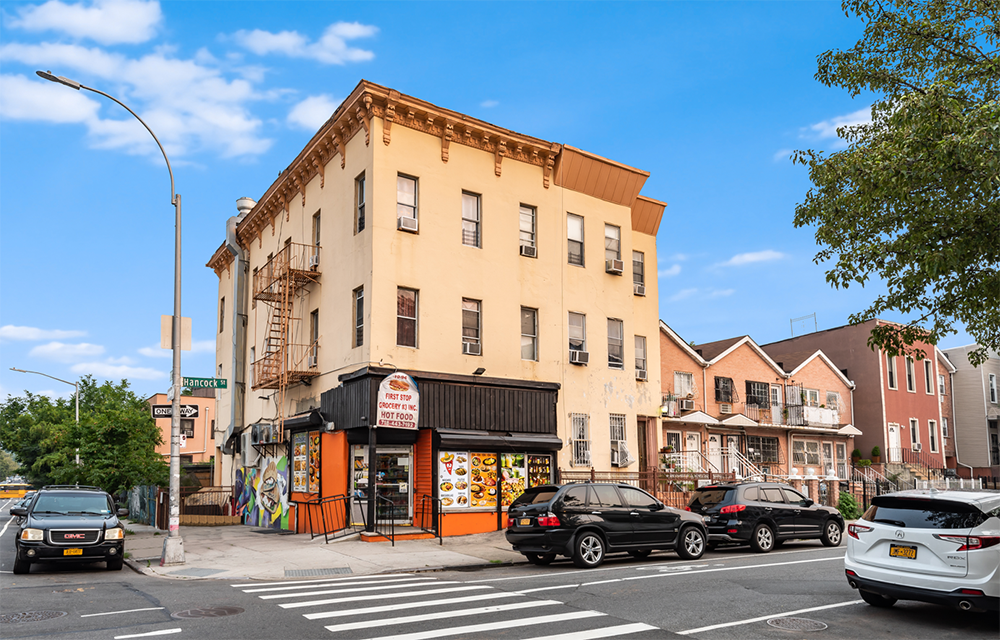
Investment Property Realty Group closes $1.75 million sale of 1094 Hancock Street in Brooklyn
Brooklyn, NY Investment Property Realty Group (IPRG), a New York-based commercial investment firm, has closed the sale of 1094 Hancock St., a mixed-use building in the Bushwick section, for $1.75 million.


 (2).gif)

Columns and Thought Leadership

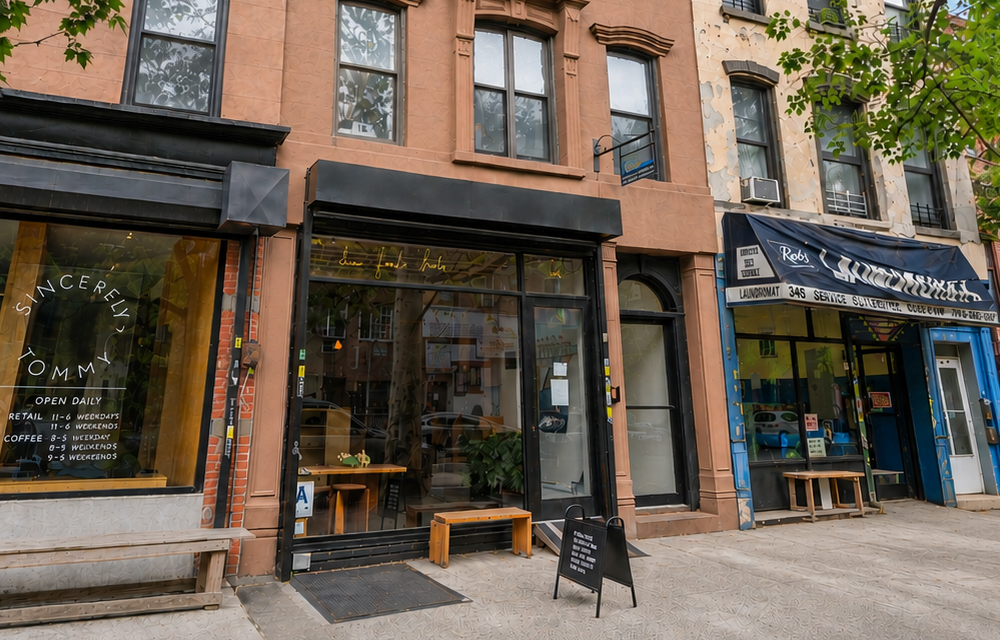
New York’s streets are full again, and the retail numbers prove it - by Noam Aziz
Walk down any New York block this year and you can feel it. The sidewalks are crowded, the storefronts are lit, and the energy that defines this city is back at full volume.

A guide to finding the right NYC property management company - by Sanjay Gandhi
Being a small to midsize landlord in NYC is an increasingly demanding endeavor. From navigating complex regulations, increased compliance demands to dealing with tenant issues and remediating violations. It is wise to enlist the assistance of a partner, a professional

Hunt commercial real estate question and answer: Fortune 500 wisdom - by David Hunt
Yes, there are lessons to be learned from the largest companies in America when comes to managing your real estate. But the decision to buy or lease real estate may not be one of

Hunt CRE question and answer: Choosing a real estate agent - by David Hunt
First, we will only work with one agent exclusively. The primary reason is that we want that agent to legally represent our client’s interests. In New York State, a real estate agent has a fiduciary
.gif)